Understanding Nebraska Tractor Test Reports: PTO Horsepower, Drawbar Pull & Dyno Metrics
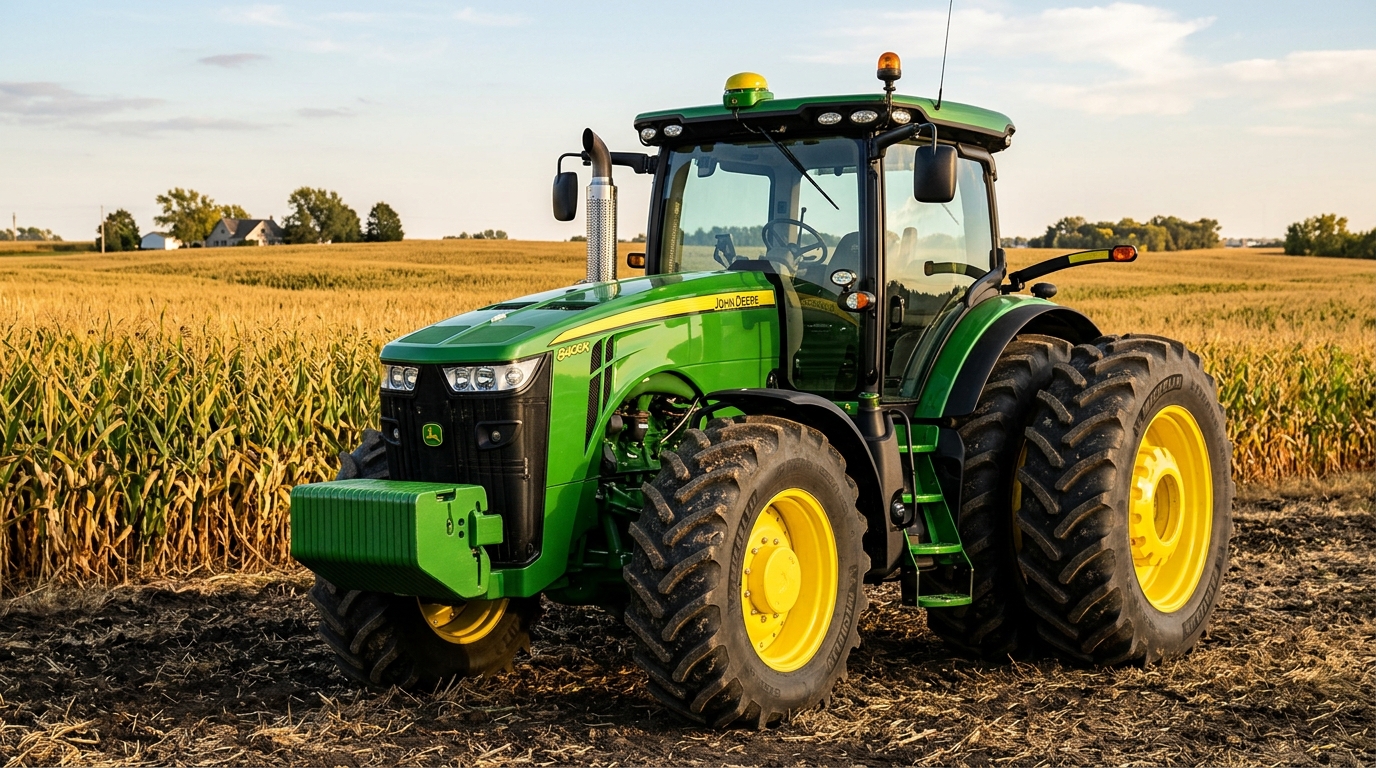
The Nebraska Tractor Test Laboratory (NTTL), established at the University of Nebraska-Lincoln under the landmark 1919 Nebraska Tractor Test Act, is the world most respected independent testing institution for agricultural tractors. Under state law, no tractor model can be commercially sold within Nebraska without first undergoing standardized laboratory testing to verify manufacturer marketing claims. An official NTTL report delivers unvarnished third-party engineering data across three primary domains: PTO Performance (measuring continuous horsepower, torque rise percentage, and specific fuel consumption across varying engine speeds on an electric dynamometer); Drawbar Performance (measuring real-world pulling force in pounds, ground travel speed, and tractive slip using specialized instrumented dynamometer cars on a concrete test track); and Hydraulic / Three-Point Hitch Capacity (measuring actual continuous pump flow under pressure and lifting force across the entire vertical stroke). By decoding NTTL reports, equipment buyers can bypass sales brochures to evaluate true drawbar fuel efficiency and lugging power.
This field report is an operational deep dive within our Mechanical Forensics, Drivetrain & Diagnostics series. For the foundational engineering formulas and sizing benchmarks, read our primary pillar guide: Tractor Transmission Types Explained: Hydrostatic vs Gear vs PowerShift vs CVT .
table_chart Benchmark Specifications by Horsepower Tier
| Model | Engine HP | PTO HP | Hydraulic Flow | Hitch Lift | Primary Application |
|---|---|---|---|---|---|
| John Deere 8400R e23 (Nebraska Test 2172 Benchmark) | 400 rated engine HP 9.0L Diesel | Tested maximum PTO power: 375.46 HP at 1,800 RPM | Maximum drawbar pull: 32,842 lbs at 2.45 mph | Drawbar fuel efficiency: 18.06 hp-hr/gal at maximum pull | Demonstrating elite powershift drawbar fuel efficiency and high-draft pulling performance |
| Case IH Puma 185 CVXDrive (Nebraska Test 2190 Series Benchmark) | 185 rated HP 6.7L FPT Diesel | Tested PTO power: 173.8 HP at rated speed | Drawbar fuel economy: 16.42 hp-hr/gal under 75% pull | Hydraulic remote flow: 39.4 GPM tested at remotes | Evaluating continuously variable transmission (CVT) power transfer and partial-load fuel economy |
| Case IH Magnum 315 (High-Torque Nebraska Benchmark) | 311 rated engine HP 8.7L Cursor 9 | Tested PTO power: 278.4 HP at 2,000 RPM | Maximum drawbar pull: 28,450 lbs | Torque rise: 41.2% measured torque backup | Analyzing engine torque rise curves and deep draft lugging capability under sustained loads |
| John Deere 7810 (Historic Nebraska Test 1729 Reference) | 175 rated HP 8.1L PowerTech | Tested PTO power: 153.2 HP at 2,100 RPM | Tested fuel economy: 16.88 hp-hr/gal | Tested hitch capacity: 11,430 lbs at 24 inches | Comparing modern Tier 4 emissions efficiency against legendary mechanical pre-emissions benchmarks |
1. The 1919 Tractor Law: How Fraudulent Horsepower Claims Created Independent Testing
2. Decoding PTO Dyno Tables: Rated Speed, Torque Rise, and Fuel Burn (gal/hr)
3. The Concrete Track: Measuring Drawbar Pull in Pounds and Tractive Slip
4. The Ultimate Efficiency Metric: Understanding Horsepower-Hours per Gallon
5. Hydraulic and Three-Point Tests: Flow Under Load and Vertical Lift Arcs
6. How to Use NTTL Reports to Compare Competing Tractor Models Objectively
Equipment Buyer's Verification Checklist
Nebraska Tractor Test Report Analysis Checklist
- check_box_outline_blank Locate official NTTL test report number corresponding to your exact tractor engine and transmission
- check_box_outline_blank Compare tested PTO horsepower against manufacturer advertised gross engine horsepower claims
- check_box_outline_blank Check engine torque rise percentage: target minimum 35 to 45 percent for heavy field tillage lugging
- check_box_outline_blank Review drawbar fuel efficiency rating: benchmark candidate against the 17.5+ hp-hr/gal industry standard
- check_box_outline_blank Inspect maximum drawbar pull ratings in standard tillage gears (typically gears in the 4.5 to 6.5 mph range)
- check_box_outline_blank Verify tested hydraulic remote flow under 90 percent relief pressure rather than open-flow specs
- check_box_outline_blank Audit three-point lift capacity across full vertical arc at 24 inches behind pin (not just pivot pin)
- check_box_outline_blank Check operator station sound level in decibels: ensure cab noise is under 70 dB for operator fatigue protection
help_outline Frequently Asked Questions
Why do tractors have to be tested in Nebraska?
Under the 1919 Nebraska Tractor Test Act, any tractor model sold by a commercial dealer within the state of Nebraska must undergo standardized independent testing at the Nebraska Tractor Test Laboratory (NTTL). Because Nebraska is one of the largest agricultural machinery markets in the world, all major global manufacturers submit their production tractors to NTTL testing to obtain sales certification.
What is a good horsepower-hours per gallon rating on a tractor?
On modern diesel tractors operating under full drawbar load, a rating of 17.0 to 18.5 horsepower-hours per gallon (hp-hr/gal) represents top-tier fuel efficiency. Ratings between 15.0 and 16.5 hp-hr/gal are typical for older mechanical Tier 2 and Tier 3 machines, while ratings below 14.0 hp-hr/gal indicate significant transmission drag or inefficient combustion.
What is the difference between gross engine horsepower and drawbar horsepower?
Gross engine horsepower measures the raw power generated at the engine flywheel with no accessories attached. Drawbar horsepower measures the actual usable pulling power delivered to an implement at the tractor drawbar pin, taking into account parasitic losses from cooling fans, alternators, hydraulic pumps, transmission gear friction, and tire slippage on the ground (typically 15 to 25 percent lower than flywheel horsepower).
Are sub-compact tractors tested at the Nebraska Tractor Test Laboratory?
Generally, no. The Nebraska law explicitly applies to tractors sold for commercial agricultural production. Consumer lawn tractors and sub-compact machines intended primarily for residential landscaping and consumer lawn mowing are typically exempt from mandatory NTTL testing.
Specialist with All About Tractors, focusing on agricultural powertrain performance, implement geometry, and field test diagnostics. All specifications cross-referenced with certified manufacturer technical sheets.