Tractor Tire Types Guide: R-1 Ag vs R-3 Turf vs R-4 Industrial vs R-14 Hybrid Radials
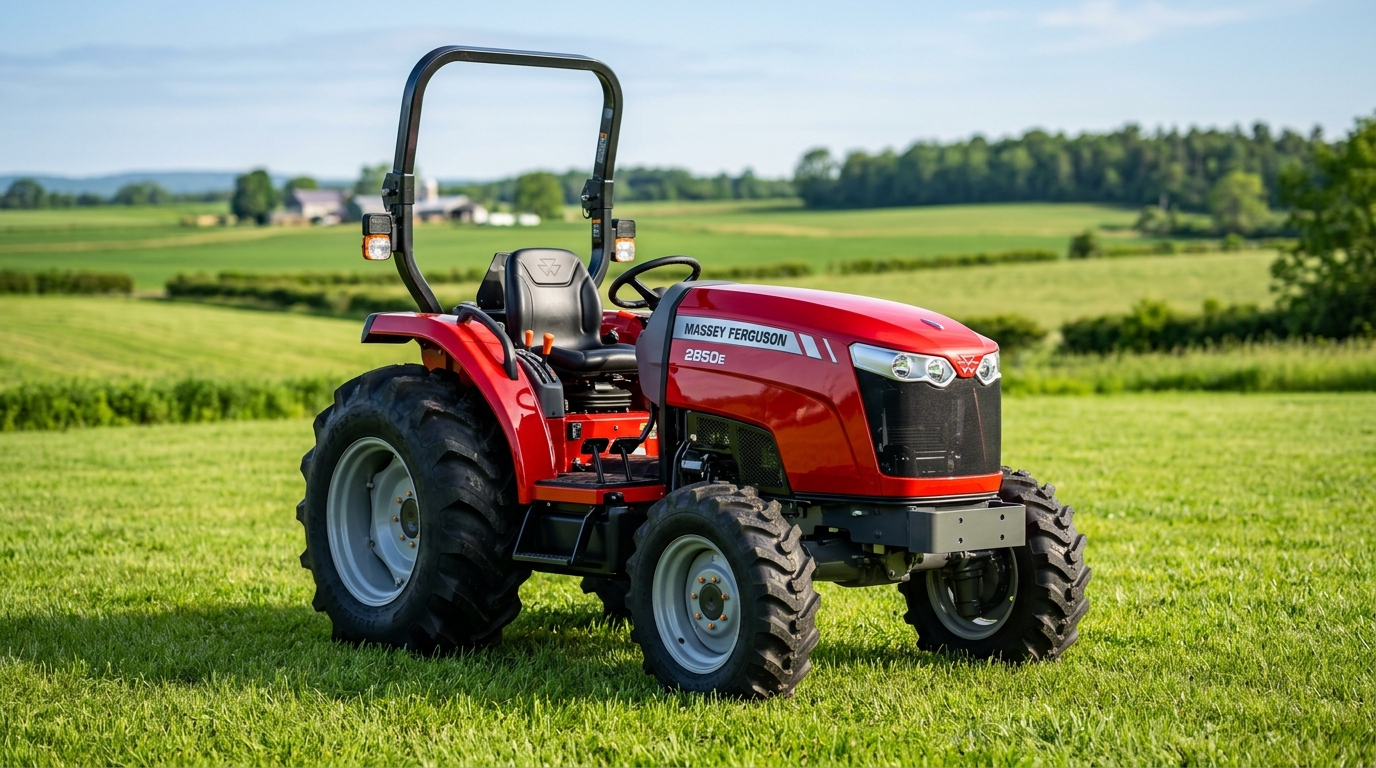
Choosing the correct tractor tire tread pattern dictates traction efficiency, operator ride comfort, puncture resistance, and soil compaction. R-1 tires (traditional agricultural chevrons) feature tall, deep, narrow lugs angled at 45 degrees, delivering supreme traction in loose field soil and deep mud, but they aggressively tear up lawn turf and wear down rapidly on pavement. R-3 tires (turf tires) feature shallow, closely spaced button treads that distribute machine weight evenly, making them ideal for golf courses and finished lawns, but they slip completely in wet mud or heavy snow. R-4 tires (industrial tires) feature wide, thick, flat lugs with reinforced plies, delivering outstanding puncture resistance and stability for heavy front-end loader work, but they pack full of snow and slick clay. R-14 hybrid radial tires represent modern tire innovation: they blend center chevron lugs for mud and snow traction with wide shoulder lugs that distribute weight, delivering an exceptional all-season, multi-surface compromise for lifestyle acreage owners.
This field report is an operational deep dive within our Mechanical Forensics, Drivetrain & Diagnostics series. For the foundational engineering formulas and sizing benchmarks, read our primary pillar guide: Tractor Transmission Types Explained: Hydrostatic vs Gear vs PowerShift vs CVT .
table_chart Benchmark Specifications by Horsepower Tier
| Model | Engine HP | PTO HP | Hydraulic Flow | Hitch Lift | Primary Application |
|---|---|---|---|---|---|
| Massey Ferguson 2850E (R-4 Industrial Standard Specification) | 48.8 HP Heavy Utility | Tire format: Heavy-ply R-4 Industrial tubeless tires | Puncture resistance: Reinforced 6 to 8 ply rating carcass | Loader load rating: Designed for 3,000+ lb front axle loader loads | Heavy loader gravel hauling, clearing thorny woods, and construction grade chore work |
| Kubota L3902 (R-14 Hybrid Radial Configuration) | 37.5 HP Compact Utility | Tire format: Modern R-14 hybrid radial tires | Tread design: Combination agricultural chevron center with industrial shoulder | Ground pressure: Lower psi radial deflection with rounded turf-friendly edges | All-season homestead chore work: excellent snow clearing, driveway grading, and light lawn mowing |
| John Deere 7810 (R-1W Commercial Row Crop Radials) | 175 HP Heavy Row Crop | Tire format: Deep-tread R-1W radial drive tires | Tread depth: 20 percent deeper lug than standard R-1 ag tires | Operating pressure: 10 to 14 psi field operating inflation | High-draft field tillage in wet clay soils and heavy drawbar plowing with minimal slip |
| Kubota BX23S (R-3 Turf Commercial Lawn Specification) | 21.6 HP Sub-Compact | Tire format: High-flotation R-3 turf tires | Tread profile: Multi-block shallow button sipes | Turf impact: Near-zero ground scuffing on delicate golf-course turf | Dedicated residential lawn mowing, estate landscaping, and manicured grass maintenance |
1. The Four Tire Designations: Tread Geometry and Agricultural Standards
2. R-1 and R-1W Ag Bars: Maximum Soil Bite vs Violent Lawn Tearing
3. R-3 Turf Tires: High Flotation and Zero Compaction vs Zero Mud Grip
4. R-4 Industrial Tires: Heavy Loader Carcass Strength vs Wet Clay Spinning
5. R-14 Hybrid Radials: The True All-Weather Breakthrough for Homesteads
6. Bias-Ply vs Radial Casings: Footprint Elongation and Inflation Pressure Physics
Equipment Buyer's Verification Checklist
Tractor Tire Selection and Pressure Management Checklist
- check_box_outline_blank Audit primary tractor duties: mowing lawns favors R-3 or R-14; heavy field tillage favors R-1 or R-1W
- check_box_outline_blank Choose R-4 industrial tires if tasks involve heavy front-end loader gravel moving and commercial brush clearing
- check_box_outline_blank Select modern R-14 hybrid radials for mixed residential homestead chores requiring snow and turf versatility
- check_box_outline_blank Check tire ply rating on sidewall: minimum 6-ply rating on front tires for heavy loader operations
- check_box_outline_blank Inspect tire inflation with an accurate low-pressure dial gauge (never exceed maximum cold bead seat limits)
- check_box_outline_blank Adjust radial tire inflation pressures based on axle load charts: drop to 10-14 psi for field tillage flotation
- check_box_outline_blank Check for signs of casing dry rot, sidewall weather cracking, and bead separation on older bias tires
- check_box_outline_blank Ensure tire outer rolling circumference maintains correct mechanical front-wheel drive (MFWD) lead ratio (1 to 5 percent)
help_outline Frequently Asked Questions
What is the difference between R-1 and R-4 tractor tires?
R-1 tires are traditional agricultural tires with tall, deep, narrow chevron lugs designed for pulling plows through deep field mud; however, they tear up lawns and wear rapidly on pavement. R-4 tires are industrial tires featuring wider, flatter, shallow lugs and stiff reinforced sidewalls designed to support heavy front-end loader bucket loads and resist puncture, but they slip on wet clay and packed snow.
Are R-14 hybrid tires worth the extra cost?
Yes, for most acreage owners. R-14 hybrid radial tires bridge the gap between R-1 ag traction and R-4 loader durability. They provide vastly superior snow and ice traction compared to R-4 tires, do not tear up lawn turf like R-1 tires, and provide an elongated radial contact patch that delivers a smoother ride and less ground compaction.
Can I replace bias-ply tires with radial tires on my existing tractor rims?
Yes, provided the radial tire physical dimensions (width, aspect ratio, and rim diameter) match your existing rim contours and maintain the proper rolling circumference ratio between front and rear axles on mechanical four-wheel drive (MFWD) tractors.
Why is tire inflation pressure so critical on radial farm tires?
Radial farm tires are engineered to operate at significantly lower pressures (often 8 to 14 psi) than bias-ply tires (typically 20 to 30 psi). Setting radial pressures accurately allows the sidewall to flex, creating a long, flat contact footprint that reduces soil compaction, increases pulling traction, and prevents premature center-tread tire wear.
Specialist with All About Tractors, focusing on agricultural powertrain performance, implement geometry, and field test diagnostics. All specifications cross-referenced with certified manufacturer technical sheets.