Tractor PTO Types Explained: Independent vs Live vs Transmission Driven (540 vs 1000 RPM)
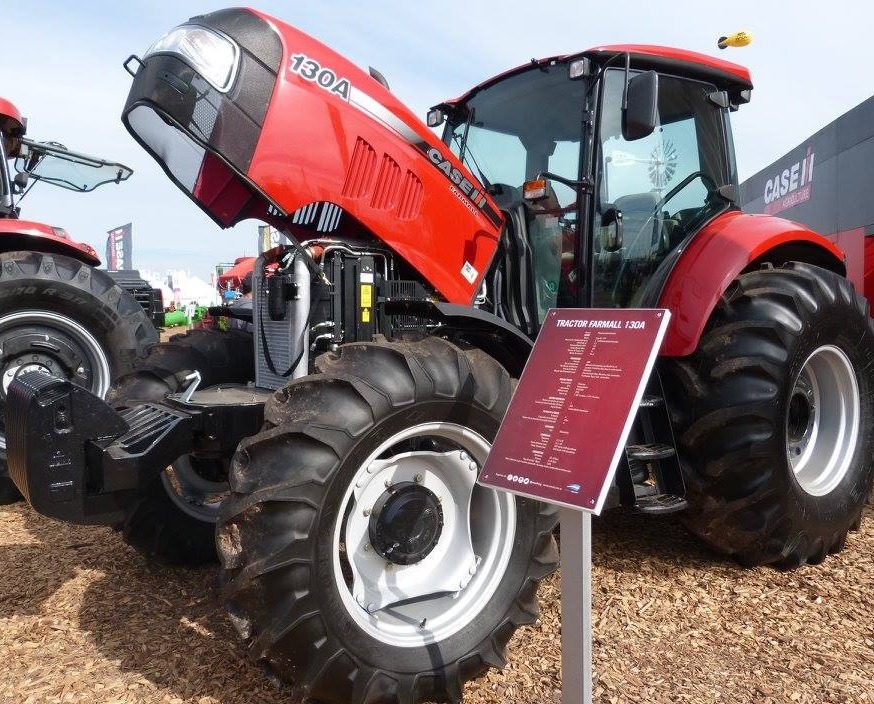
A tractor Power Take-Off (PTO) transfers rotational mechanical power from the tractor engine to trailing or mounted implements. Three main PTO operational designs exist: Transmission-Driven (non-live) PTO, where the PTO shaft stops spinning whenever the clutch pedal is depressed; Live PTO with a two-stage clutch, where pushing the clutch halfway stops tractor forward motion while keeping the PTO spinning; and Independent PTO, which uses an electro-hydraulic wet multi-disc clutch operated by a dashboard button or lever, allowing the PTO to be engaged or disengaged on the fly completely independent of the transmission clutch and ground speed. Standard agricultural PTO operates at 540 RPM through a 6-spline 1-3/8-inch shaft, while higher horsepower implements (over 100 to 140 HP) utilize 1000 RPM through a 21-spline 1-3/8-inch or 20-spline 1-3/4-inch shaft to transfer higher power at lower mechanical torque.
table_chart Benchmark Specifications by Horsepower Tier
| Model | Engine HP | PTO HP | Hydraulic Flow | Hitch Lift | Primary Application |
|---|---|---|---|---|---|
| Case IH Farmall 75A (Independent 540 / 540E) | 74 HP FPT 4-cylinder Diesel | 64.0 PTO HP at 540 RPM (also 540E at 1,535 engine RPM) | Electro-hydraulic wet disc PTO engagement | Reversible shaft: 6-spline 1-3/8 inch | Rotary cutters, commercial hay tedding, and fuel-efficient light PTO chores in 540E mode |
| Massey Ferguson 2850E (Electro-Hydraulic Independent) | 48.8 HP Turbocharged Diesel | 41.4 PTO HP at 540 RPM | Modulated hydraulic clutch soft-start engagement | Standard 6-spline 1-3/8 inch output | Heavy round baling, heavy snow blowing, and high-inertia rotary mowers |
| Fendt 724 Gen 7 (4-Speed Independent Electronic PTO) | 243 rated HP AGCO Power | 205 PTO HP (540, 540E, 1000, 1000E RPM selectable) | Speed-proportional automatic PTO brake and soft-start | Interchangeable flanged 6-spline, 21-spline, and 20-spline stubs | High-capacity slurry pumps, large square balers, and precision variable-rate seed blowers |
| John Deere 1025R (Dual Independent Rear & Mid PTO) | 23.9 HP Yanmar Diesel | 17.2 PTO HP rear (540 RPM) & mid (2100 RPM) | Independent electric over hydraulic dash switch | Mechanical interlock safety selector switch | Simultaneous or independent operation of mid-mount mower decks and front snow blowers |
1. The Three PTO Generations: Transmission-Driven, Two-Stage Live, and Independent
2. The Transmission PTO Danger: Why Bush Hogs Push Older Tractors into Ponds
3. 540 RPM vs 1000 RPM: Splines, Diameters, and Torque Physics
4. The 540E Economy PTO Mode: Cutting Fuel Consumption by 30 Percent
5. Electro-Hydraulic Soft-Start vs Sudden Shock Loads on Drivelines
6. PTO Shaft Sizing, Telescoping Overlap, and Slip Clutch Adjustment
Equipment Buyer's Verification Checklist
PTO System Operation and Driveline Safety Checklist
- check_box_outline_blank Determine your tractor PTO category (Transmission-driven, Live two-stage, or Independent)
- check_box_outline_blank Install an overrunning clutch coupler if operating a rotary cutter on a transmission-driven PTO tractor
- check_box_outline_blank Verify PTO spline match: never use mechanical adapters to run 540 RPM implements at 1000 RPM
- check_box_outline_blank Inspect PTO master shield and implement plastic safety guard for smooth 360-degree freewheeling rotation
- check_box_outline_blank Check telescoping drive shaft overlap: minimum 6 inches of tube overlap at maximum hitch extension
- check_box_outline_blank Ensure driveline does not bottom out or bind when three-point hitch is fully raised
- check_box_outline_blank Service friction slip clutch annually: loosen spring bolts, slip the plates to break rust glaze, and re-torque to spec
- check_box_outline_blank Never dismount from the tractor seat while the PTO shaft is rotating or decelerating
Companion Field Evaluations in This Series
Explore related laboratory evaluations and implement matching guides published within the Implements, Attachments & Hitch Geometry cluster:
A certified agricultural engineering guide to sizing rotary cutters and brush hogs: the rule of 5 PTO horsepower per foot of cut, ...
A technical guide to understanding tractor front end loader lift ratings: why pivot pin numbers mislead buyers, calculating real p...
help_outline Frequently Asked Questions
What is the difference between Live PTO and Independent PTO?
A Live PTO uses a mechanical two-stage dry foot clutch: depressing the pedal halfway halts tractor forward motion while keeping the PTO spinning, but depressing the pedal fully stops both. An Independent PTO uses a separate electro-hydraulic multi-plate wet clutch controlled by a dash switch, allowing you to turn the PTO on or off at any moment without ever touching the foot clutch or affecting ground speed.
Why do older tractors need an overrunning clutch with a bush hog?
Older tractors with transmission-driven PTOs connect the PTO shaft directly into the transmission gears. The massive rotating momentum of a heavy bush hog blade pan back-feeds mechanical energy through the PTO shaft directly into the tractor drive wheels, pushing the tractor forward even when the clutch pedal is depressed. An overrunning clutch acts as a one-way freewheel ratchet, allowing the mower blades to spin down safely without pushing the tractor.
What is the benefit of a 540E (Economy) PTO?
A 540E PTO achieves standard 540 RPM shaft speed at a significantly lower engine RPM (typically around 1,550 to 1,650 engine RPM rather than 2,200 to 2,400 RPM). On light and medium loads like hay tedding, raking, spraying, and fertilizer spreading, using 540E cuts diesel fuel consumption by up to 30 percent and significantly reduces cabin engine noise.
Can I connect a 1000 RPM implement to a 540 RPM tractor shaft with an adapter?
No. Spline adapters exist physically, but running a 1000 RPM implement at 540 RPM means the implement will operate at nearly half its designed speed, severely degrading performance (for instance, a rotary cutter will tear rather than cut grass, and an air seeder fan will not generate enough air pressure). Conversely, running a 540 RPM implement on a 1000 RPM tractor will over-speed gearboxes and cause catastrophic, explosive mechanical failure.
Specialist with All About Tractors, focusing on agricultural powertrain performance, implement geometry, and field test diagnostics. All specifications cross-referenced with certified manufacturer technical sheets.