Tractor Diesel Emissions Explained: Tier 4 Final, DPF Regeneration, DEF & DOC Systems
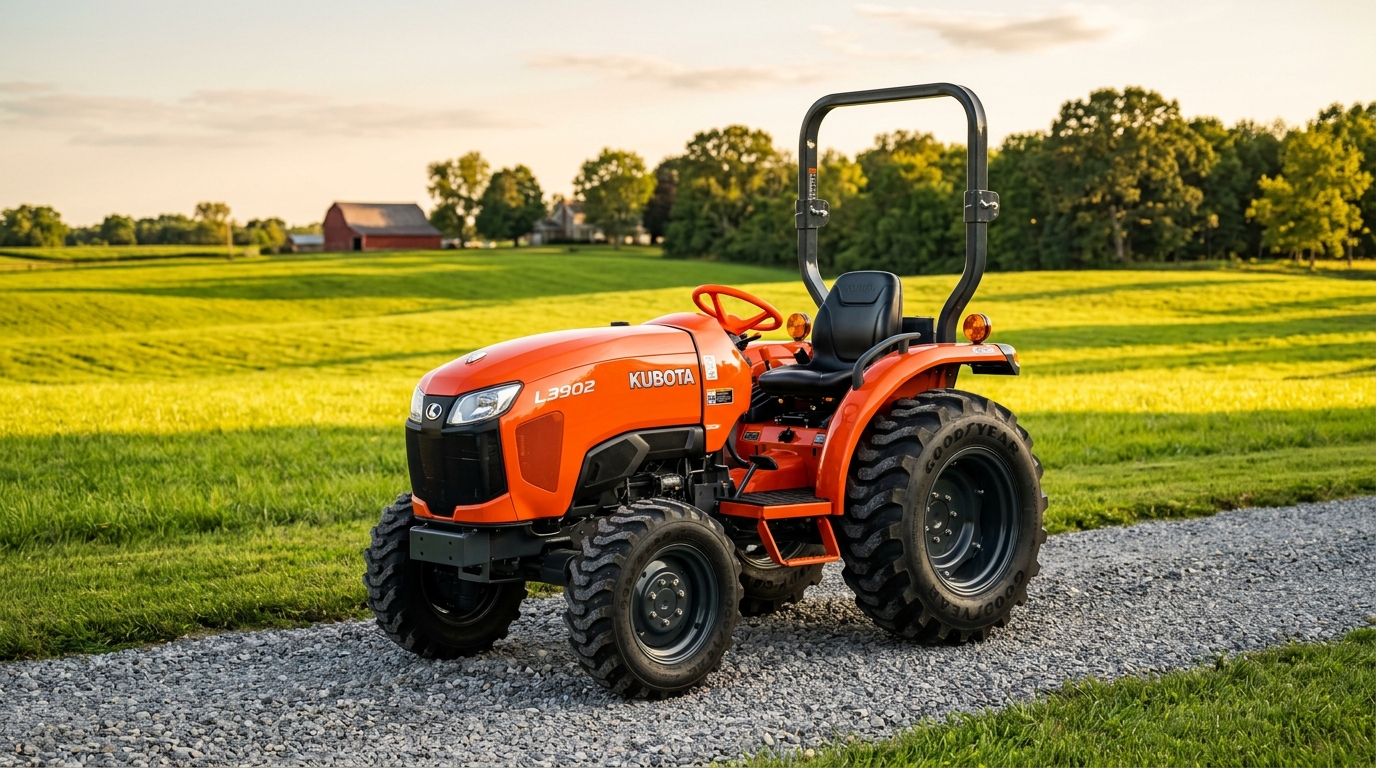
Under EPA Tier 4 Final emissions regulations, agricultural diesel engines must reduce particulate matter (soot) by 90 percent and nitrogen oxides (NOx) by 80 percent compared to older Tier 3 standards. Tractors utilize three core technologies to meet these standards based on horsepower class. Engines below 25 gross horsepower are legally exempt from complex aftertreatment, requiring neither DPF nor DEF. Engines between 25 and 74 horsepower utilize a Diesel Oxidation Catalyst (DOC) and a Diesel Particulate Filter (DPF): the ceramic DPF captures soot, which is periodically incinerated into ash through automatic exhaust regeneration cycles reaching 600 degrees Celsius. Engines rated at 75 horsepower and higher add Selective Catalytic Reduction (SCR), which injects aqueous urea Diesel Exhaust Fluid (DEF) into the exhaust stream to convert toxic NOx gases into harmless nitrogen and water vapor. Understanding how to operate these systems prevents soot clogs, false sensor errors, and expensive electronic engine derate shutdowns.
This field report is an operational deep dive within our Mechanical Forensics, Drivetrain & Diagnostics series. For the foundational engineering formulas and sizing benchmarks, read our primary pillar guide: Tractor Transmission Types Explained: Hydrostatic vs Gear vs PowerShift vs CVT .
table_chart Benchmark Specifications by Horsepower Tier
| Model | Engine HP | PTO HP | Hydraulic Flow | Hitch Lift | Primary Application |
|---|---|---|---|---|---|
| Kubota L3902 (Common Rail DPF System) | 37.5 HP Tier 4 Final Diesel | Emissions hardware: DOC + DPF ceramic soot filter | Regeneration method: Passive exhaust heat + Active fuel injection | DEF requirement: 0% (No DEF required under 75 HP) | Understanding how compact tractors manage DPF soot loading without diesel exhaust fluid |
| Kubota BX23S (Under-25 HP Emissions-Exempt Benchmark) | 21.6 HP Mechanical D902 Diesel | Emissions tier: Tier 4 Final compliant via displacement design | Emissions hardware: Zero DPF, Zero DOC, Zero DEF, Zero Sensors | Regeneration requirement: None (Never regenerates) | Hobby farmers wanting immunity from soot filter clogging during short 15-minute chore runs |
| Case IH Farmall 75A (Near-Cutoff Utility Benchmark) | 74 HP FPT 4-cylinder Turbocharged | Emissions hardware: Compact DOC + DPF aftertreatment canister | Horsepower tuning: Calibrated to 74 HP to avoid DEF tank requirements | Maintenance interval: 3,000-hour professional DPF core cleanout | Utility farmers maximizing horsepower without adding DEF purchasing, storage, and freeze logistics |
| John Deere 8400R e23 (High-Horsepower DOC / DPF / SCR System) | 400 rated HP 9.0L PowerTech Twin-Turbo | Emissions hardware: Integrated DOC + DPF + SCR with heated DEF tank | DEF dosing rate: Approximately 2 to 3 percent of diesel fuel consumption | Emissions monitoring: Dual NOx sensors with automated ECU derate protection | Commercial row-crop operators managing high-output DEF infrastructure and electronic telematics |
1. The Regulatory Roadmap: What Tier 4 Final Mandates Actually Require
2. The Under-25 Horsepower Exemption: Why Small Tractors Have No Emissions Hardware
3. The DPF Anatomy: Soot Traps, Passive Regeneration, and Active Park Burnoffs
4. The Short-Trip Problem: Why Running Cold Engines Destroys Ceramic DPF Filters
5. Selective Catalytic Reduction (SCR): DEF Chemistry, Storage, and Freezing Points
6. Emissions Sensor Failures: Understanding NOx Sensors and ECU Engine Derate Modes
Equipment Buyer's Verification Checklist
Tier 4 Final Diesel Tractor Operation and Emissions Checklist
- check_box_outline_blank Determine your tractor emissions hardware class (Under 25 HP exempt vs 25-74 HP DPF vs 75+ HP DEF)
- check_box_outline_blank Run Tier 4 DPF engines at higher working throttle (over 1,800 to 2,000 RPM) to promote passive soot burnoff
- check_box_outline_blank Never shut off the tractor engine while an active DPF regeneration cycle is running (indicated by dash icon)
- check_box_outline_blank Avoid excessive low-idle running (over 15 minutes of idling generates heavy unburned soot glazing)
- check_box_outline_blank Purchase fresh API-certified Diesel Exhaust Fluid (DEF) and store in cool, shaded areas below 85 degrees Fahrenheit
- check_box_outline_blank Ensure DEF tank filler neck screen is clean and never allow dirt, water, or diesel fuel into the DEF reservoir
- check_box_outline_blank Perform mandatory parked regenerations promptly when commanded by the in-cab display warning lights
- check_box_outline_blank Budget for professional DPF ash cleaning service at manufacturer recommended intervals (typically 3,000 to 4,500 hours)
help_outline Frequently Asked Questions
Can I remove or delete the DPF on my compact tractor?
No. Removing, gutting, or electronically deleting a factory emissions system (DPF, DOC, or SCR) violates Federal Clean Air Act regulations and voids all manufacturer engine warranties. In addition, dealerships will refuse to accept emissions-deleted tractors on trade-in, and unauthorized tampering can result in substantial civil fines.
Why do tractors under 25 horsepower have no DPF or DEF?
EPA Tier 4 Final regulations established an explicit exemption for off-road diesel engines producing under 19 kilowatts (25.4 gross horsepower). Because smaller engines burn less fuel overall and add negligible total emissions, regulators determined that the high cost of DPF filters and computer regeneration systems was disproportionate. Manufacturers comply through mechanical combustion chamber optimization.
What happens if my tractor runs completely out of DEF fluid?
If a tractor runs out of Diesel Exhaust Fluid, the engine control unit (ECU) initiates an EPA-mandated escalating power derate. You will receive audible and visual dashboard warnings. If ignored, the tractor will derate engine horsepower by 50 percent and eventually drop into a 2 mph limp mode until the DEF tank is refilled with certified fluid.
How long does a DPF filter last before it must be replaced?
While soot is burned away during daily regenerations, non-combustible engine oil additives leave behind inert mineral ash. Under normal operation, a quality DPF core lasts between 3,000 and 5,000 engine hours before the ash must be blown out using specialized pneumatic pulse cleaning machines at an authorized dealership (typically costing 400 to 600 dollars), rather than replacing the entire filter.
Specialist with All About Tractors, focusing on agricultural powertrain performance, implement geometry, and field test diagnostics. All specifications cross-referenced with certified manufacturer technical sheets.