Rotary Tiller Sizing Guide: Width, Horsepower Requirements, Gear vs Chain Drive & Rotation
Selecting the correct three-point rotary tiller requires matching three parameters: tiller working width, tractor rear tire track width, and engine PTO horsepower. The golden rule for rotary tillers is allocating 4 to 6 continuous PTO horsepower per foot of tiller width in average loam, and 6 to 8 PTO horsepower per foot in dense, hard-packed clay. The tiller working width must equal or exceed the outside width of the tractor rear tires so that your tire tracks are completely erased in each pass. For drivetrain reliability, heavy-duty oil-bath gear-driven side drives are vastly superior to chain drives, eliminating chain stretch, broken link master clips, and manual tensioning adjustments. For breaking raw, virgin pasture sod, reverse-rotating (counter-rotating) tines dig deeper without walking or pushing the tractor forward.
table_chart Benchmark Specifications by Horsepower Tier
| Model | Engine HP | PTO HP | Hydraulic Flow | Hitch Lift | Primary Application |
|---|---|---|---|---|---|
| Kubota BX23S (48-Inch Compact Forward Tiller) | 21.6 HP Sub-Compact | 17.7 PTO HP (matches 48-inch tiller at 4.4 HP/ft) | Side drive: Sealed oil-bath chain or light gear | Working depth: 4 to 6 inches with adjustable skid shoes | 1 to 3 acre market garden seedbeds, soft garden soils, and tight raised row alleys |
| Kubota L3902 (60 to 66-Inch Commercial Reverse Tiller) | 37.5 HP Compact Utility | 30.5 PTO HP (matches 66-inch tiller at 5.5 HP/ft) | Side drive: Heavy oil-bath spur gear drivetrain | Reverse rotation counter-cutting tines | Breaking hard virgin pasture sod, dense clay, and heavy organic cover crops in a single pass |
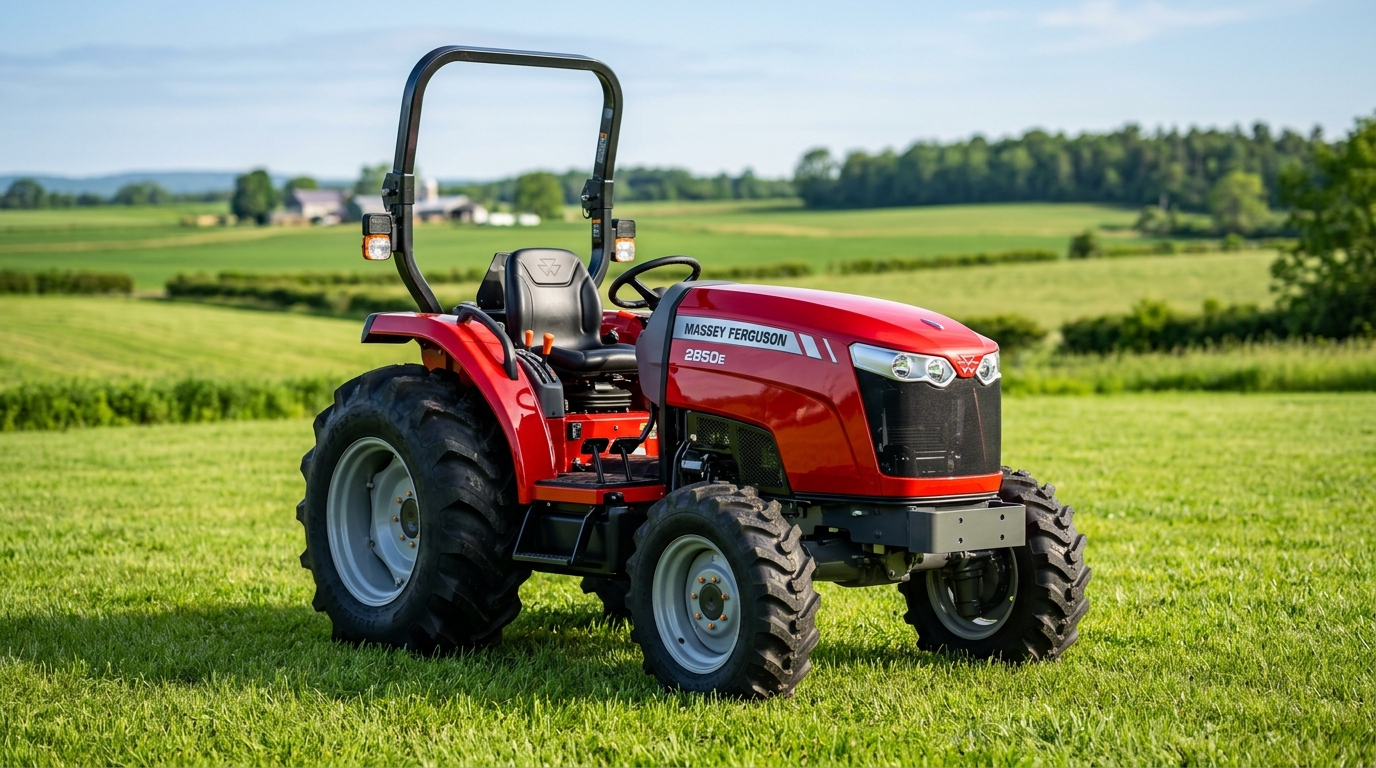
| Massey Ferguson 2850E (72 to 84-Inch Heavy-Duty Gear Tiller) | 48.8 HP Heavy Utility | 41.4 PTO HP (matches 74-inch heavy tiller at 6.7 HP/ft) | Side drive: Enclosed commercial gear drive with cast iron housing | Multi-flange rotor with 6 heat-treated C-tines per flange | Commercial vegetable operations, broad-acre food plots, and landscape soil preparation |
| John Deere 1025R (48-Inch Slip-Clutch Rotary Tiller) | 23.9 HP Sub-Compact | 17.2 PTO HP at 540 RPM | Friction disc slip clutch driveline protection | iMatch quick hitch compatible mast | Residential landscaping, annual garden renewal, and smoothing lawn renovation seedbeds |
1. The Track-Width Rule: Why Tillers Must Cover Rear Wheel Tracks
2. The Horsepower Equation: Calculating PTO HP per Foot for Loam vs Clay
3. Gear Drive vs Chain Drive: Mechanical Longevity in Rocky Soils
4. Forward-Rotating vs Reverse-Rotating (Counter-Rotating) Tines
5. Tine Geometry: C-Shaped Tines vs L-Shaped Tines for Soil Types
6. Driveline Protection: Slip Clutch Maintenance vs Replacing Broken Shear Pins
Equipment Buyer's Verification Checklist
Rotary Tiller Selection and Field Setup Checklist
- check_box_outline_blank Measure tractor outside rear tire width: ensure tiller working width covers tire tracks by at least 2 inches
- check_box_outline_blank Calculate continuous PTO horsepower: allocate 4 to 6 PTO HP per foot for loam, or 6 to 8 PTO HP per foot for clay
- check_box_outline_blank Choose side-drive style: select oil-bath spur gear drive over chain drive for durability in rocky soils
- check_box_outline_blank Determine tine rotation direction: select reverse-rotation for hard virgin sod or forward-rotation for rocky ground
- check_box_outline_blank Select tine geometry: C-shaped tines for trash shedding in clay, or L-shaped tines for manicured seedbeds
- check_box_outline_blank Adjust side skid shoes evenly on both sides to set desired tillage depth (typically 4 to 6 inches)
- check_box_outline_blank Inspect PTO slip clutch: measure spring tension height with calipers and ensure discs are free from rust glaze
- check_box_outline_blank Adjust rear trailing tailgate: lower the flap for fine seedbed pulverization, or raise it for coarse rough tillage
Companion Field Evaluations in This Series
Explore related laboratory evaluations and implement matching guides published within the Implements, Attachments & Hitch Geometry cluster:
A certified agricultural engineering guide to sizing rotary cutters and brush hogs: the rule of 5 PTO horsepower per foot of cut, ...
A technical guide to understanding tractor front end loader lift ratings: why pivot pin numbers mislead buyers, calculating real p...
help_outline Frequently Asked Questions
What is the horsepower rule of thumb for sizing a rotary tiller?
The engineering rule of thumb is allocating 4 to 6 PTO horsepower per foot of tiller width in previously tilled soils or sandy loam, and 6 to 8 PTO horsepower per foot in hard-packed clay or unbroken sod. For example, a 5-foot (60-inch) rotary tiller requires a minimum of 20 to 25 PTO horsepower in normal soils, and 30 to 35 PTO horsepower to break virgin sod.
Why are reverse-rotation tillers better for breaking virgin sod?
Reverse-rotating (counter-rotating) tillers rotate opposite to the tractor forward direction of travel. Because the tines dig upward from underneath the soil crust, they pull the implement downward into the soil profile rather than skating on top. This counter-cutting action completely shreds sod roots, buries vegetative debris deep beneath the soil, and prevents the tiller from pushing the tractor forward.
Is a gear drive rotary tiller better than a chain drive tiller?
Yes. While chain drive tillers are slightly less expensive, gear drive tillers feature heavy heat-treated spur gears running continuously in an oil bath. Gear drive systems handle immense shock loads without stretching, eliminate broken chain master links, require zero manual tensioning adjustments, and last for decades in demanding agricultural use.
How often should I adjust or slip my tiller PTO slip clutch?
You should slip and service your slip clutch at the start of every tilling season. Over winter storage, moisture causes friction discs to rust and freeze solid to the steel pressure plates. If operated in a rusted condition, the clutch will not slip when striking a rock, causing severe driveline damage. Loosen the spring bolts, run the PTO briefly under light resistance to spin off rust, then re-tighten the springs to the exact manufacturer caliper measurement.
Specialist with All About Tractors, focusing on agricultural powertrain performance, implement geometry, and field test diagnostics. All specifications cross-referenced with certified manufacturer technical sheets.