Mahindra vs Kubota: The No-DEF Engine Battle & Heavy Steel vs Cast Iron Comparison
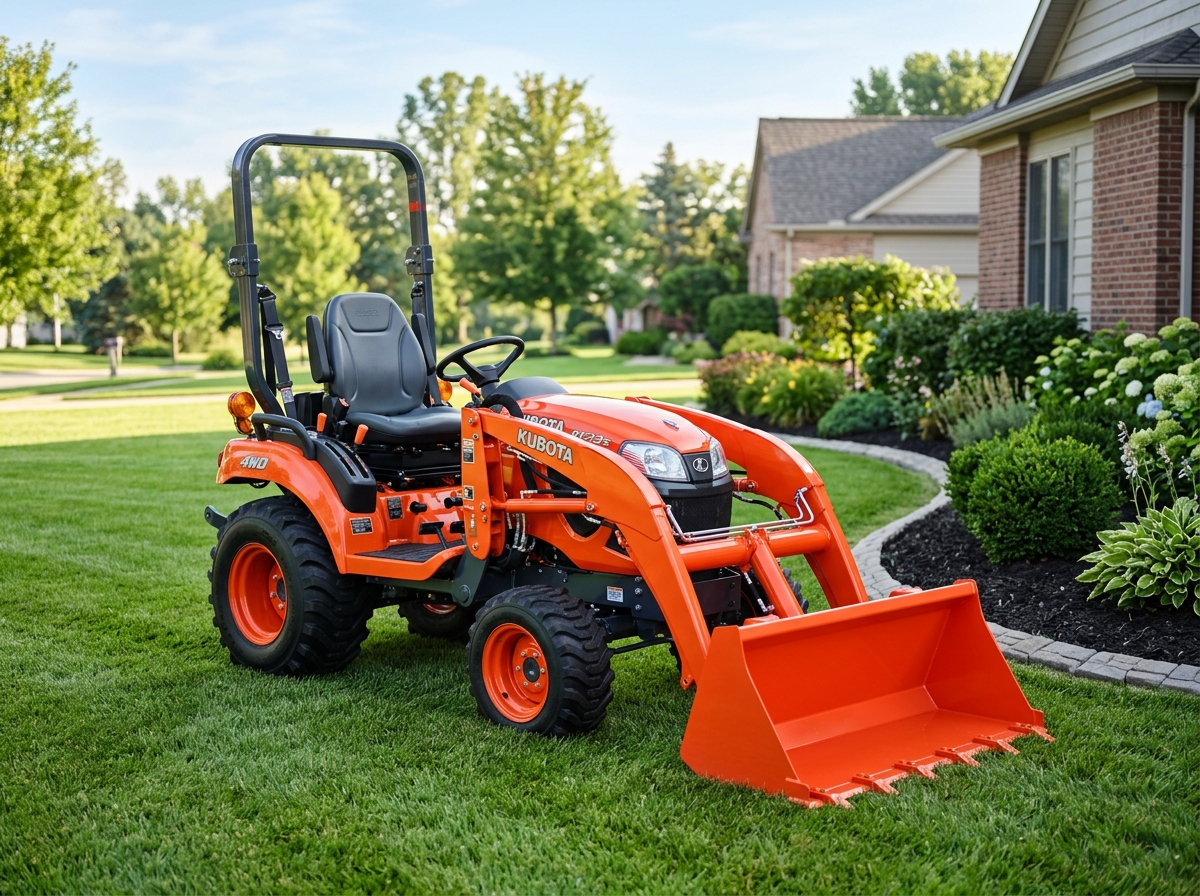
The battle between Mahindra and Kubota represents two contrasting philosophies of compact and utility tractor engineering. Mahindra primary technological differentiator is its patented mCRD (Mahindra Common Rail Diesel) engine architecture, which meets EPA Tier 4 Final emissions standards on tractors up to 75 horsepower without using a Diesel Particulate Filter (DPF) or Diesel Exhaust Fluid (DEF). This means Mahindra owners never deal with clogged exhaust soot filters or high-temperature park regeneration cycles. In addition, Mahindra builds tractors with heavy cast-steel chassis and all-steel hoods, resulting in machines that weigh 15 to 25 percent more than comparable Kubota models, giving Mahindra substantially higher standard loader and hitch lift ratings. However, Kubota counters with superior refined manufacturing tolerances, smoother hydrostatic transmissions, unmatched fit and finish, vastly superior electrical wiring harnesses, and a North American dealer network with far greater parts support.
This field report is an operational deep dive within our Head-to-Head Benchmark Battles & Brand Rivalries series. For the foundational engineering formulas and sizing benchmarks, read our primary pillar guide: The 800+ HP Monster Tractor Battle: John Deere 9RX 830 vs Case IH Steiger 715 Quadtrac vs CLAAS Xerion 12.650 .
table_chart Benchmark Specifications by Horsepower Tier
| Model | Engine HP | PTO HP | Hydraulic Flow | Hitch Lift | Primary Application |
|---|---|---|---|---|---|
| Kubota L3902 (Refined Compact Benchmark) | 37.5 HP Kubota Common Rail Diesel | 30.5 PTO HP with DPF soot aftertreatment | 9.4 GPM hydraulic flow | 1,985 lbs at 24 inches behind hitch | Smooth hydrostatic operation, flawless electrical reliability, and top-tier secondary resale value |
| Kubota BX23S (Sub-Compact Reliability Benchmark) | 21.6 HP Mechanical Diesel (Under 25 HP No-DPF) | 17.7 PTO HP at 540 RPM | 6.2 GPM dual gear pump | 680 lbs loader pin lift capacity | Maneuvering around tight residential gardens with legendary Japanese component reliability |
| Massey Ferguson 2850E (Heavyweight Premium Alternative) | 48.8 HP Iseki 4-cylinder Turbocharged | 41.4 PTO HP at 540 RPM | 12.4 GPM dual hydraulic pumps | 3,483 lbs rear three-point lift capacity | Matching Mahindra heavy bare steel chassis weight while maintaining refined Japanese build quality |
| Case IH Farmall 75A (Commercial Utility Power) | 74 HP FPT 4-cylinder Diesel | 64.0 PTO HP (540/540E RPM) | 16.9 GPM commercial hydraulic system | 3,307 lbs rear linkage capacity | Production utility farming demanding heavy drawbar pull, commercial loaders, and durable steel construction |
1. The Emissions Showdown: Mahindra mCRD No-DPF Technology vs Kubota DPF Systems
2. Operating Weight: Why Mahindra Tractors Weigh 500 to 1,000 Pounds More
3. Body Panels and Fenders: Heavy Sheet Steel vs Flexible Polymer Composites
4. Hydraulic Capacity: Advertised Lift Ratings vs Cycle Speed Flow Rates
5. Fit, Finish, and Electrical Architecture: Japanese Precision vs Indian Heavy Iron
6. The Long-Term Ownership Verdict: Warranty Claims, Parts Scarcity, and Trade-In Margins
Equipment Buyer's Verification Checklist
Mahindra vs Kubota Pre-Purchase Comparison Checklist
- check_box_outline_blank Determine your typical chore duration: frequent runs under 20 minutes favor Mahindra mCRD no-DPF design
- check_box_outline_blank Assess your soil and lawn sensitivity: heavy Mahindra chassis may cause turf compaction on soft lawns
- check_box_outline_blank Test loader cycle speeds: measure time to lift and dump bucket to evaluate hydraulic pump flow vs cylinder size
- check_box_outline_blank Inspect operator platform wiring: verify electrical harness protection against trail brush snags
- check_box_outline_blank Evaluate hydrostatic transmission pedal smoothness and forward-reverse directional modulation
- check_box_outline_blank Compare dealer proximity and dedicated diesel mechanic service bay availability in your area
- check_box_outline_blank Compare full warranty terms: review what components are covered under Mahindra 7-year vs Kubota 6-year limits
- check_box_outline_blank Check local 5-year trade-in values on regional dealer lots to estimate true 5-year depreciation
Companion Field Evaluations in This Series
Explore related laboratory evaluations and implement matching guides published within the Head-to-Head Benchmark Battles & Brand Rivalries cluster:
A physical test comparison between the two best-selling sub-compact tractors in North America: Kubota BX23S vs John Deere 1025R. C...
help_outline Frequently Asked Questions
How does Mahindra achieve Tier 4 emissions without a DPF filter?
Mahindra developed its patented mCRD (Mahindra Common Rail Diesel) technology by optimizing the combustion process itself. By utilizing high-pressure common rail fuel injection operating at up to 1,600 bar paired with an advanced Diesel Oxidation Catalyst (DOC), fuel burns so completely and efficiently that soot particulate matter is minimized at the source, eliminating the need for a ceramic soot trap (DPF) or high-temperature regeneration burn-off cycles.
Why are Mahindra tractors so much heavier than Kubota tractors?
Mahindra designs its machines with heavy cast-steel chassis frames, solid cast-iron front axle housings, and all-steel body panels. Kubota utilizes optimized lightweight ductile iron castings and polymer composite panels on select models to reduce turf compaction. While Mahindra extra mass provides superior loader and pulling stability, it can rut wet lawns more easily.
Are Mahindra tractors made in India?
Mahindra is based in India and manufactures many of its own diesel engines and heavy cast chassis components in state-of-the-art facilities in India. However, many Mahindra compact tractors sold in North America are manufactured through partnerships with South Korean manufacturer TYM/Tong Yang Moolsan and Japanese engine builders, then assembled and inspected at Mahindra regional assembly facilities across the United States.
Which tractor is better for casual property maintenance?
If you use your tractor intermittently for 15 to 30 minutes at a time to haul firewood, maintain a gravel driveway, and clear snow, Mahindra mCRD engine is exceptionally convenient because you never have to worry about interrupting DPF soot cleaning cycles. If you prioritize butter-smooth hydrostatic operation, top-tier electrical reliability, refined ergonomics, and guaranteed high resale value, Kubota is the superior choice.
Specialist with All About Tractors, focusing on agricultural powertrain performance, implement geometry, and field test diagnostics. All specifications cross-referenced with certified manufacturer technical sheets.