Kubota vs John Deere: Which Tractor Brand Is Better in 2026? (Comprehensive Analysis)
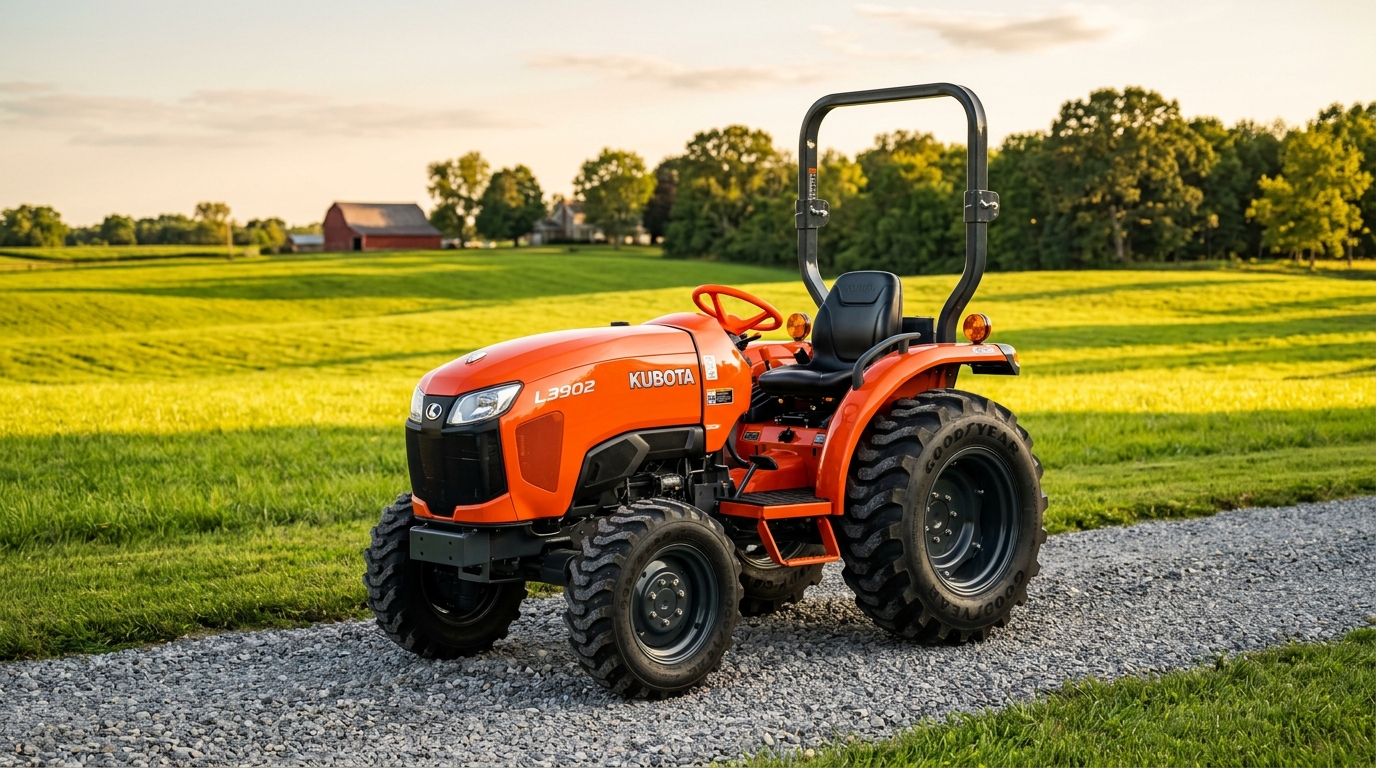
Choosing between Kubota and John Deere in the compact and utility segments comes down to mechanical architecture and operator ergonomics. Kubota major engineering advantage is vertical integration: Kubota designs and manufactures 100 percent of its own diesel engines, cast-iron transmission housings, and hydraulic pumps in-house, utilizing heavy cast-iron front axle and rear axle trumpet cases across their entire lineup. John Deere compacts (1 through 4 Series) utilize dependable outsourced Japanese Yanmar diesel engines, and feature superior operator ergonomics, notably their Twin Touch side-by-side hydrostatic pedals (preferred by many over Kubota heel-toe treadle pedal) and drive-over AutoConnect mower decks. In large agricultural row-crop machines above 150 horsepower, John Deere dominates with industry-leading precision guidance, dealer parts density, and superior high-draft pulling power, while Kubota commands unmatched value and reliability in the sub-100 horsepower market.
This field report is an operational deep dive within our Head-to-Head Benchmark Battles & Brand Rivalries series. For the foundational engineering formulas and sizing benchmarks, read our primary pillar guide: The 800+ HP Monster Tractor Battle: John Deere 9RX 830 vs Case IH Steiger 715 Quadtrac vs CLAAS Xerion 12.650 .
table_chart Benchmark Specifications by Horsepower Tier
| Model | Engine HP | PTO HP | Hydraulic Flow | Hitch Lift | Primary Application |
|---|---|---|---|---|---|
| Kubota L3902 (Compact Segment Standard) | 37.5 HP Kubota 1.8L 3-cylinder Diesel | 30.5 PTO HP at 540 RPM | 9.4 GPM open-center gear pump | 1,985 lbs at 24 inches behind pin | Buyers wanting all-steel body panels, in-house Japanese powertrain manufacturing, and durable cast iron |
| John Deere 3038E (Value Compact Challenger) | 36.7 HP Yanmar 1.6L 3-cylinder Diesel | 30.0 PTO HP at 540 RPM | 9.3 GPM open-center hydraulics | 1,356 lbs at 24 inches behind pin | Property owners seeking Twin Touch pedal ergonomics, lighter turf footprint, and wide dealer support |
| Kubota BX23S (Sub-Compact Integrated Backhoe) | 21.6 HP Kubota D902 Diesel | 17.7 PTO HP (under 25 HP DPF exempt) | 6.2 GPM hydraulic flow | 680 lbs loader pin lift, 1,936 lbs backhoe breakout | Complete factory loader and backhoe packages with full-length steel belly subframe protection |
| John Deere 1025R (Sub-Compact Premium Ergonomics) | 23.9 HP Yanmar 1.3L Diesel | 17.2 PTO HP at 540 RPM | 6.3 GPM total hydraulic capacity | 758 lbs loader pin capacity | Residential estate mowing with drive-over AutoConnect decks and quick-attach 120R loaders |
1. Engine Manufacturing: In-House Kubota Diesel vs John Deere Yanmar Partnerships
2. Chassis Metallurgy: Solid Cast Iron Housings vs Die-Cast Aluminum Cases
3. Hydrostatic Controls: The Treadle Pedal vs Twin Touch Side-by-Side Pedals
4. Attachment Innovation: Kubota Swift-Tach vs Deere AutoConnect and Quick-Park
5. Dealer Support and Parts Distribution: High-Density Ag vs Rural Lifestyle Stores
6. Resale Values and Ownership Verdict: Sizing the Right Machine for Your Acreage
Equipment Buyer's Verification Checklist
Kubota vs John Deere Pre-Purchase Evaluation Checklist
- check_box_outline_blank Test drive both hydrostatic pedal layouts (Kubota treadle pedal vs Deere Twin Touch dual pedals)
- check_box_outline_blank Inspect transmission casing material (verify cast iron on Kubota vs cast aluminum on select Deere models)
- check_box_outline_blank Evaluate mower deck attachment: compare drive-over AutoConnect against standard pin-on linkages
- check_box_outline_blank Test loader quick-attach systems (evaluate Kubota Swift-Tach single-lever disconnect vs Deere Quick-Park)
- check_box_outline_blank Visit local dealerships of both brands: assess service department responsiveness and mobile truck support
- check_box_outline_blank Compare full retail package price quotes with identical implements (loader, rotary cutter, ballast box)
- check_box_outline_blank Verify engine manufacturer and Tier 4 emissions aftertreatment hardware on candidate models
- check_box_outline_blank Check local 5-year used resale prices on regional classifieds to compare secondary liquidity
Companion Field Evaluations in This Series
Explore related laboratory evaluations and implement matching guides published within the Head-to-Head Benchmark Battles & Brand Rivalries cluster:
A physical test comparison between the two best-selling sub-compact tractors in North America: Kubota BX23S vs John Deere 1025R. C...
help_outline Frequently Asked Questions
Does John Deere make their own compact tractor engines?
No. While John Deere manufactures heavy diesel engines in Waterloo, Iowa for their large row-crop and four-wheel drive agricultural tractors, all John Deere compact tractors (1 through 4 Series) are powered by Japanese Yanmar diesel engines. Yanmar is a globally respected engine manufacturer that has partnered with John Deere for over four decades.
Which holds resale value better: Kubota or John Deere?
Both brands share the highest resale value in agriculture, with negligible statistical difference. On average, well-maintained Kubota and John Deere compact tractors retain 75 to 85 percent of their original purchase value after five years. In rural areas with extensive commercial farming, John Deere often holds a slight edge, while in suburban and lifestyle acreage markets, Kubota frequently commands equal or superior trade-in value.
Is cast iron better than aluminum for tractor transmission cases?
For heavy draft work, loader excavation, and pulling three-point ground-engaging implements, cast iron is superior because its higher tensile strength and natural mass resist torsional stress and provide low-center ballast. Aluminum transmission cases are lighter and help prevent turf tearing on manicured lawns, but they are more susceptible to casting fractures under severe shock loads.
Why do some operators dislike the Kubota treadle pedal?
The Kubota treadle pedal uses a single rocker pedal where you press the front down with your toe to go forward, and press the rear down with your heel to reverse. Operators with large work boots, limited ankle mobility, or those performing hours of repetitive loader shuttle work often find rocking their foot backward causes leg fatigue compared to John Deere side-by-side Twin Touch pedals.
Specialist with All About Tractors, focusing on agricultural powertrain performance, implement geometry, and field test diagnostics. All specifications cross-referenced with certified manufacturer technical sheets.