How to Decode Tractor Serial Numbers and Year of Manufacture: John Deere, Case IH, Kubota & Ford
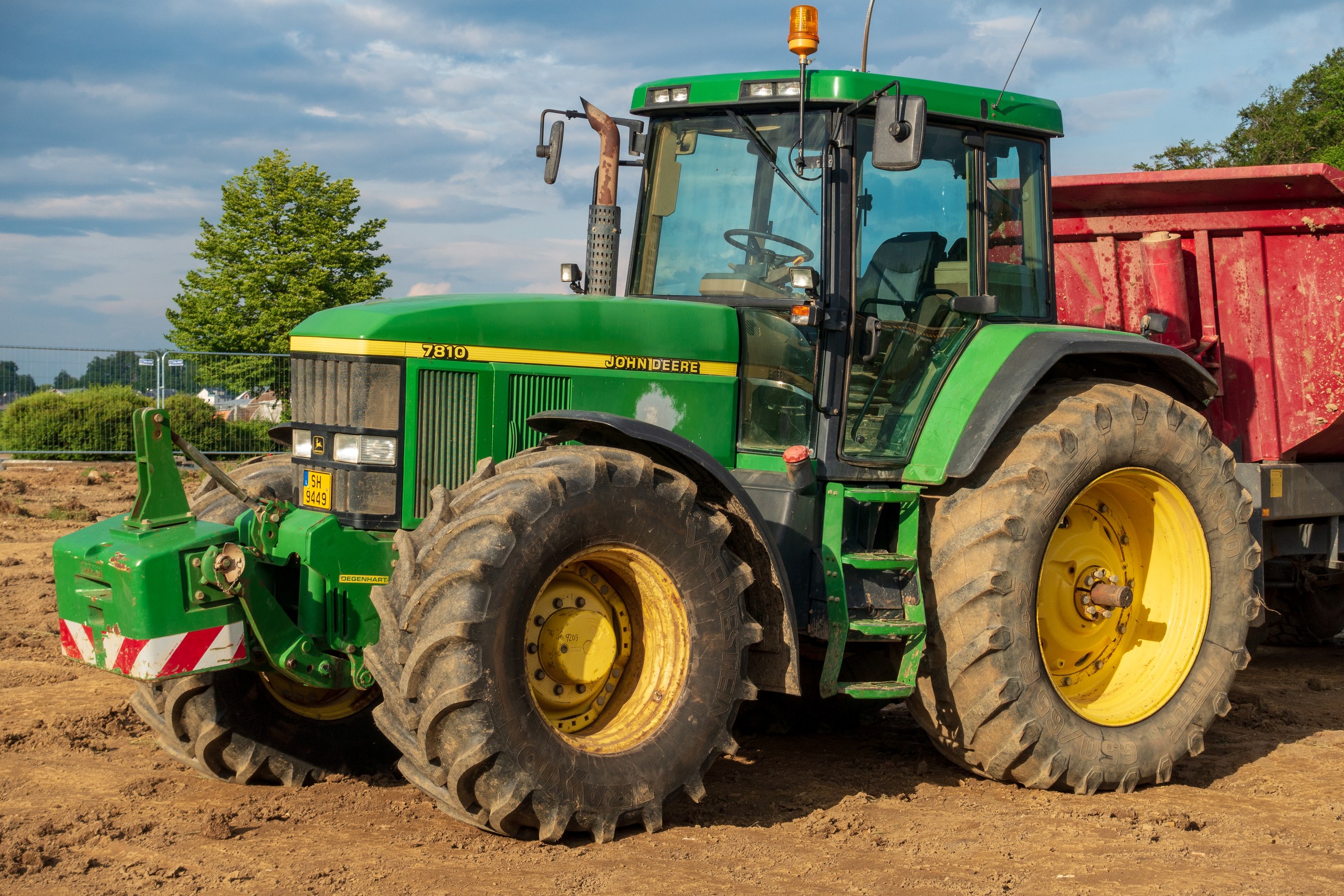
Unlike automobiles, tractors do not possess standardized 17-digit vehicle identification numbers (VINs) registered with state departments of motor vehicles, nor are they marketed strictly by annual model years. Instead, tractors are identified by Product Identification Numbers (PIN) or stamped serial numbers that tie directly to manufacturer production sequences and build registries. On John Deere tractors, serial plates are typically stamped on the right-hand side of the main frame or front tractor support above the axle; on Case IH and International Harvester machines, plates reside on the rear transmission case or left side of the clutch housing; on Kubota tractors, serial numbers are stamped directly into the cast iron front axle frame or near the operator left foot platform; and on vintage Ford tractors, numbers are stamped into the flat bell housing casting directly behind the starter motor. When serial plates are missing or illegible, casting date codes cast directly into engine blocks and transmission housings reveal the exact month and year the iron was poured.
This field report is an operational deep dive within our Pre-Purchase Forensics, Used Hours & Inspection series. For the foundational engineering formulas and sizing benchmarks, read our primary pillar guide: The 25-Point Used Tractor Pre-Purchase Inspection Checklist (2025-2026 Guide) .
table_chart Benchmark Specifications by Horsepower Tier
| Model | Engine HP | PTO HP | Hydraulic Flow | Hitch Lift | Primary Application |
|---|---|---|---|---|---|
| John Deere 7810 (17-Character ISO PIN Format) | 175 HP Waterloo-built Row Crop | Serial plate location: Right front frame rail above axle | PIN structure: RW7810P012345 (Factory, Model, Sequence) | Casting date codes: Day/Month letter stamped on engine block | Identifying Waterloo vs Mannheim production and verifying genuine factory mechanical options |
| Massey Ferguson 240 (Cast Bell Housing Stamping) | 46 HP Perkins 3-cylinder Diesel | Serial plate location: Instrument console lower cowl | Perkins engine serial: Stamped on cylinder block side rail | Secondary stamp: Right-hand steering box casting | Distinguishing genuine UK/Coventry production from late-model Turkish or Pakistani license builds |
| Kubota L3902 (Chassis & Axle Stamp Locations) | 37.5 HP Common Rail Compact | Chassis serial: Left front axle tube machined flat | Safety decal tag: Below operator seat on ROPS frame | Engine serial tag: Machined boss on right crankcase | Verifying Tier 4 Final production year and validating active manufacturer warranty coverage |
| Case IH Farmall 75A (Transmission Housing Plate) | 74 HP FPT Turbocharged Utility | PIN location: Right side of front axle casting or rear axle trumpet | Barcode registry: Riveted aluminum plate with anti-tamper rivets | FPT engine code: Stamped on upper oil filter rail | Matching build configurations against CNH dealer build sheets to detect swapped components |
1. The Model Year Myth: Why Tractors Are Sold by Serial Sequence, Not Calendar Years
2. Where Plates Hide: Brand Locations for John Deere, Case IH, Kubota, and Ford
3. Decoding Modern 17-Character PIN Formats: World Manufacturer Codes and Sequences
4. Reading the Iron: Decoding Raised Casting Date Codes on Engine Blocks
5. Spotting Counterfeit Tags: Pop Rivets, Stamped Fonts, and Stolen Machinery Checks
6. How to Document Serial Numbers for Farm Equipment Insurance and Title Verification
Equipment Buyer's Verification Checklist
Tractor Serial Number Forensics and Verification Checklist
- check_box_outline_blank Locate primary chassis serial number plate and compare against seller bill of sale or paperwork
- check_box_outline_blank Inspect serial plate rivets: verify solid factory drive rivets, not hollow hardware-store pop rivets
- check_box_outline_blank Check for signs of plate tampering: look for scraped paint, grinding marks, or uneven stamped fonts
- check_box_outline_blank Cross-reference engine block serial number stamped into the cast iron against factory build records
- check_box_outline_blank Locate raised foundry casting date codes on transmission housing to verify year of manufacture
- check_box_outline_blank Decode the 17-character ISO 10261 PIN to confirm factory assembly plant and configuration options
- check_box_outline_blank Run serial number through National Insurance Crime Bureau (NICB) database to confirm no theft records
- check_box_outline_blank Photograph all chassis, engine, loader, and implement serial tags for farm insurance documentation
help_outline Frequently Asked Questions
Can I look up a tractor build year by its serial number online?
Yes. Most major agricultural brands have dedicated serial number reference registries maintained by enthusiast historical societies, dealer archives, and equipment databases like All About Tractors. By locating your exact model and finding where your serial number falls between annual starting sequence numbers, you can determine the exact build year.
What should I do if the serial number plate on a used tractor is missing?
If the riveted aluminum plate is missing, inspect the cast iron chassis for secondary stamped numbers. Many manufacturers (including Kubota, Ford, and John Deere) stamped the serial sequence directly into the steel frame rail or bell housing in addition to the plate. If no stamped serial can be found, decode the raised foundry casting date codes on the engine block and transmission to establish the year the components were manufactured.
Do farm tractors have vehicle titles like cars?
In most United States jurisdictions and Canadian provinces, farm tractors are classified as off-road agricultural machinery and do not receive state-issued vehicle titles. Ownership is transferred via a formal Bill of Sale, original manufacturer Certificate of Origin (MSO), or commercial dealer invoice containing the verified serial number.
Why do factory casting date codes differ slightly between the engine and transmission?
Foundries cast heavy components in separate production batches. It is completely normal for an engine block casting code to show a date two to six weeks earlier or later than the rear transmission or axle trumpet castings. As long as all casting codes fall within the same three-month window, the machine components are original factory mates.
Specialist with All About Tractors, focusing on agricultural powertrain performance, implement geometry, and field test diagnostics. All specifications cross-referenced with certified manufacturer technical sheets.