Grey Market Tractors: How to Spot Japanese Imports, Reverse PTO Traps & Parts Scarcity
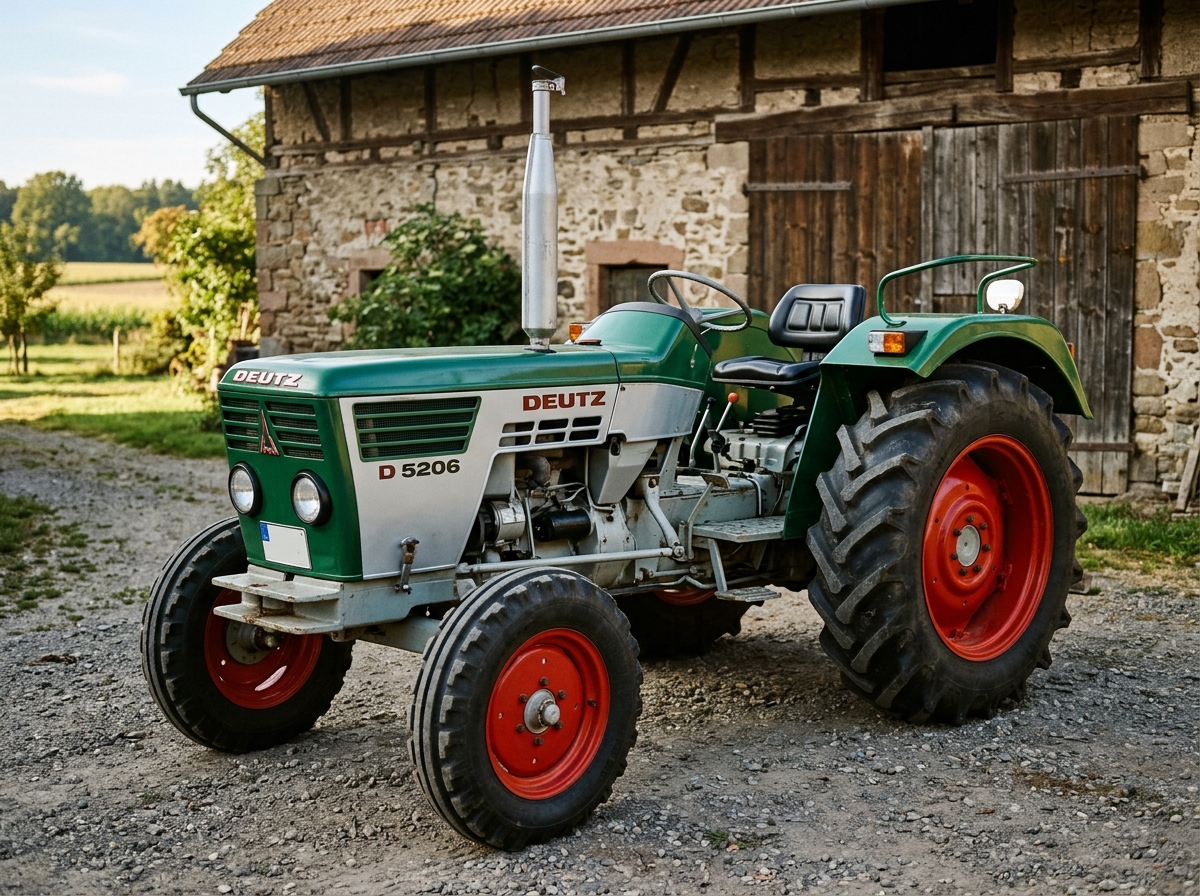
A grey market tractor is a machine originally designed, manufactured, and sold for domestic Asian (primarily Japanese rice paddy) or European agricultural markets, but later imported into North America by independent third-party liquidators without manufacturer authorization. While brands like Kubota, Yanmar, Mitsubishi, and Iseki build exceptional diesel machinery, their Japanese domestic models were never engineered to comply with North American SAE/OSHA safety regulations. Crucially, many grey market models feature multi-speed PTOs that spin counter-clockwise (reverse rotation) or operate at non-standard speeds (up to 1,200 RPM), which will unscrew or violently destroy standard three-point implements. In addition, grey market tractors lack factory Roll-Over Protective Structures (ROPS) and seat belts, and North American authorized dealers are legally prohibited or barred by corporate policy from selling parts, manuals, or service support for these serial numbers.
This field report is an operational deep dive within our Pre-Purchase Forensics, Used Hours & Inspection series. For the foundational engineering formulas and sizing benchmarks, read our primary pillar guide: The 25-Point Used Tractor Pre-Purchase Inspection Checklist (2025-2026 Guide) .
table_chart Benchmark Specifications by Horsepower Tier
| Model | Engine HP | PTO HP | Hydraulic Flow | Hitch Lift | Primary Application |
|---|---|---|---|---|---|
| Kubota BX23S (Authorized North American Safety Benchmark) | 21.6 HP Factory North American Model | Standard clockwise 540 RPM 6-spline shaft | Certified OSHA/SAE folding ROPS with seat belt | Complete parts support across 1,100+ North American dealers | Understanding the safety and parts availability standard required on legitimate domestic equipment |
| Massey Ferguson 240 (North American vs Overseas Build Differences) | 46 HP Perkins Diesel | Standard 540 RPM clockwise PTO rotation | Parts cross-reference: Common worldwide mechanical architecture | Distinguishing legitimate US/UK models from unlicensed overseas imports | Comparing domestic specification components against grey market imported copies |
| Kubota L3902 (Authorized Dealer Support Verification) | 37.5 HP Modern Tier 4 Final | Serial registry: Verified in Kubota North America internal dealer system | English safety warnings and ANSI certified control markings | Full liability and product liability indemnity coverage | Demonstrating proper dealer serial registry and factory warranty eligibility |
| Zetor 7245 (European Import Verification & Road Compliance) | 66 HP Heavy Mechanical 4WD | Dual speed 540/1000 RPM standard rotation | European vs American trailer brake and lighting configurations | Category 2 standard linkage with verified English manuals | Inspecting legitimate European-spec utility tractors imported with valid manufacturer compliance |
1. What Is a Grey Market Tractor: The Japanese Rice Paddy Pipeline
2. The Reverse PTO Rotation Hazard: Why Counter-Clockwise Shafts Destroy Implements
3. Missing ROPS and Safety Deficits: The OSHA Warning and Rollover Fatalities
4. The Dealer Parts Blacklist: Why Local Dealers Refuse to Sell You Filters
5. Forensic Inspection: Spotting Japanese Decals, Rice Tires, and Fresh Paint Covers
6. What to Do If You Already Bought One: Retrofit ROPS and Reverse PTO Gearboxes
Equipment Buyer's Verification Checklist
Grey Market Tractor Identification and Pre-Purchase Checklist
- check_box_outline_blank Check model number against authorized North American model registries (watch for L1500, B1400, YM1500)
- check_box_outline_blank Inspect PTO shaft rotation direction: verify clockwise spin at 540 RPM, not counter-clockwise
- check_box_outline_blank Check PTO spline count: ensure standard 6-spline 1-3/8 inch shaft, not non-standard multi-speed splines
- check_box_outline_blank Inspect operator station for certified OSHA/SAE Roll-Over Protective Structure (ROPS) and seat belt
- check_box_outline_blank Look for Japanese kanji characters on factory instrument labels, fuse covers, and air cleaner housings
- check_box_outline_blank Inspect tires for aggressive, thin rice-paddy lug profiles designed for flooded wetland paddies
- check_box_outline_blank Call local authorized brand dealer with serial number to verify whether parts lookups are supported
- check_box_outline_blank Check for presence of safety interlock switches on clutch pedal, neutral gear lever, and PTO engagement
help_outline Frequently Asked Questions
What is the easiest way to tell if a tractor is a grey market import?
The easiest indicator is the model number combined with warning decals. For instance, Kubota never officially sold models with two zeros at the end in North America (like L1500, L2000, B1200, B1400). In addition, look for Japanese kanji text on original warning plates, cast into hydraulic levers, or stamped into the air filter canister, along with an absence of English operator safety manuals.
Why do authorized dealers refuse to work on grey market tractors?
Authorized North American dealers refuse service due to severe product liability risks. Because grey market machines were never certified to meet OSHA, ANSI, or SAE safety regulations (lacking certified ROPS, seat belts, PTO shields, and neutral safety start interlocks), manufacturer legal agreements prohibit authorized dealers from selling parts or performing maintenance that could expose them to liability in the event of an operator accident.
Can I connect a regular bush hog to a grey market tractor?
Only if the PTO spins clockwise at standard 540 RPM. Many Japanese grey market models feature counter-clockwise (reverse) rotating PTOs or multi-speed gearboxes running at 750 or 1,100 RPM. Connecting a standard rotary cutter to a reverse PTO will spin the blades backward, cause the implement to bounce without cutting, and can loosen retaining hardware. You must verify clockwise rotation or install an external PTO reversing gearbox.
Can I get parts for a grey market Yanmar or Kubota tractor?
You cannot buy parts through official local franchised dealerships. However, specialized independent importers (such as Hoye Tractor for Yanmar) stock extensive aftermarket parts, remanufactured injection pumps, clutch kits, and translated English manuals specifically supporting grey market machinery.
Specialist with All About Tractors, focusing on agricultural powertrain performance, implement geometry, and field test diagnostics. All specifications cross-referenced with certified manufacturer technical sheets.