Common Tractor Hydraulic Problems: Jerky Lift, Slow Loader, Overheating & Relief Valve Diagnosis
Tractor hydraulic problems stem primarily from four root causes: fluid contamination, suction line aeration/cavitation, internal seal bypass leakage, and misadjusted pressure relief valves. When a three-point hitch jerks or 'hiccups' while holding a heavy implement, the internal lift cylinder piston seal has worn out, allowing oil to leak past the piston; the hydraulic control valve senses the hitch dropping and pulses high-pressure oil to raise it back up, causing a rhythmic bouncing motion. When a front-end loader operates agonizingly slow or groans under load, the hydraulic suction screen located inside the transmission sump has become plugged with metal shavings or water-sludge, starving the pump of fluid and inducing pump cavitation. Diagnosing hydraulic health requires installing a 0 to 5,000 psi glycerin-filled pressure test gauge into a rear auxiliary remote quick coupler to measure relief valve cracking pressure against factory specifications.
This field report is an operational deep dive within our Mechanical Forensics, Drivetrain & Diagnostics series. For the foundational engineering formulas and sizing benchmarks, read our primary pillar guide: Tractor Transmission Types Explained: Hydrostatic vs Gear vs PowerShift vs CVT .
table_chart Benchmark Specifications by Horsepower Tier
| Model | Engine HP | PTO HP | Hydraulic Flow | Hitch Lift | Primary Application |
|---|---|---|---|---|---|
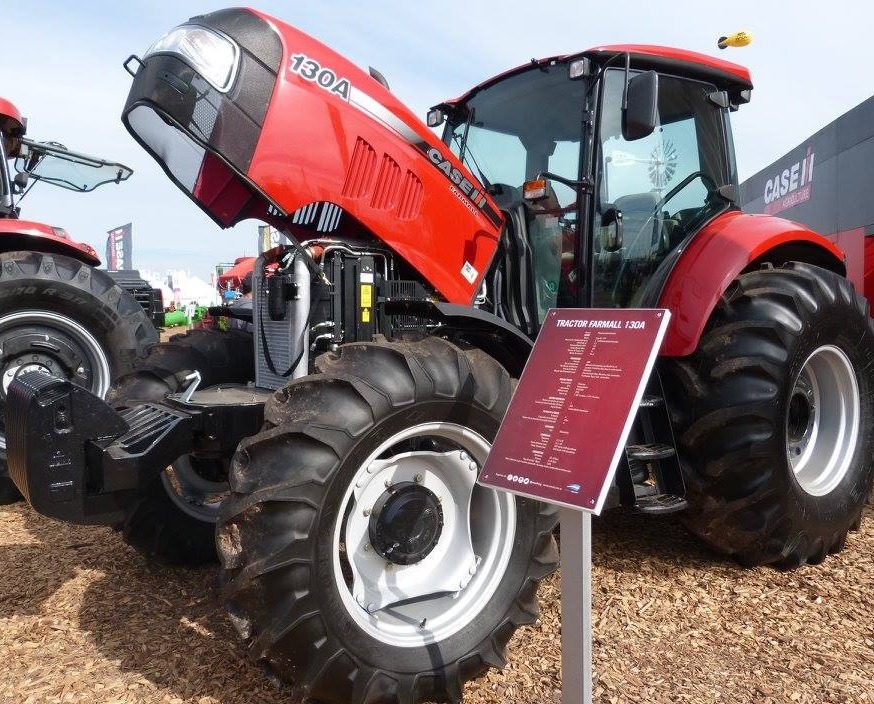
| Case IH Farmall 75A (Open-Center Diagnostic Benchmark) | 74 HP Heavy Utility | Factory main relief valve pressure: 2,750 psi (190 bar) | Diagnostic port: Rear remote quick-disconnect coupler | Common symptom: Suction hose clamp looseness inducing pump whine | Demonstrating open-center gear pump diagnostic testing and relief valve shimming |
| Kubota L3902 (Compact Utility Sump Screen Inspection) | 37.5 HP Compact Utility | Factory relief pressure: 2,420 psi | Suction filtration: Cleanable 100-mesh wire sump suction screen | Three-point piston seal: Replaceable urethane V-packing ring | Troubleshooting three-point hitch cylinder seal bypass and suction screen sludge blockages |
| John Deere 7810 (Closed-Center Radial Piston Diagnostics) | 175 HP Heavy Row Crop | Standby hydraulic pressure: 2,900 psi (200 bar) | Charge pump circuit: Low-pressure transmission pump feeding main radial pump | Priority valve: Steering priority flow divider valve | Diagnosing closed-center PFC priority valves, stroke control valves, and accumulator health |
| Kubota BX23S (Sub-Compact Loader Valve Troubleshooting) | 21.6 HP Sub-Compact | System relief pressure: 1,778 to 1,849 psi | Loader valve: Dual-spool monoblock with integrated relief cartridge | Power Beyond sleeve: Hydraulic loop feeding rear backhoe | Diagnosing sub-compact joystick spool sticking, Power Beyond loop blockage, and quick-coupler seating |
1. Hydraulic Troubleshooting Safety: Fluid Injection Hazards and Pressure Gauge Tools
2. The Jerky Hitch Mystery: Diagnosing Worn Cylinder Piston Seals and Valve Spools
3. Slow Loader Operation: Clogged Suction Screens, Cold Viscosity, and Cavitation Whine
4. Overheating Hydraulic Fluid: Relief Valve Bypass and Plugged Oil Coolers
5. Testing Relief Valve Cracking Pressure: Gauge Testing at Rear Remote Couplers
6. Milky Hydraulic Fluid: Water Emulsification and Complete Transmission Flushes
Equipment Buyer's Verification Checklist
Tractor Hydraulic Field Diagnostic and Pressure Test Checklist
- check_box_outline_blank Check hydraulic oil color on dipstick: verify golden clarity and confirm absence of milky water emulsion
- check_box_outline_blank Inspect suction line rubber hose clamps between sump and pump: tighten clamps to eliminate air aeration
- check_box_outline_blank Test three-point hitch settling rate with engine turned off and heavy rotary cutter mounted on rear arms
- check_box_outline_blank Inspect and solvent-clean the transmission internal wire suction screen during full fluid service intervals
- check_box_outline_blank Use a 0 to 5,000 psi glycerin test gauge at rear remotes to measure relief valve cracking pressure
- check_box_outline_blank Clean external hydraulic oil cooler radiator matrix using low-pressure compressed air to blow out chaff
- check_box_outline_blank Verify all hydraulic quick-coupler collars are fully locked forward; reseat loose sleeve couplers
- check_box_outline_blank Never touch pressurized hydraulic lines with bare hands; use cardboard to detect high-pressure pinhole leaks
help_outline Frequently Asked Questions
Why does my three-point hitch jerk up and down when holding an implement?
This rhythmic jumping (known as hitch hiccuping) is caused by an internal leak in the three-point hydraulic lift cylinder. The rubber piston seal has worn out, allowing pressurized oil to leak past the piston back into the transmission sump. As the heavy implement settles downward, the mechanical control linkage detects the drop and pulses the valve open to raise the arms back up, repeating the cycle continuously.
What causes a hydraulic pump to whine on a tractor?
Hydraulic pump whining is almost always caused by cavitation (starvation of fluid) or aeration (air bubbles in the oil). Common culprits include a dirty, sludge-plugged transmission suction screen, extremely cold high-viscosity oil that cannot flow freely, a loose hose clamp on the suction pipe that allows air to enter the pump intake, or low hydraulic fluid levels.
What should I do if my tractor hydraulic fluid is milky white?
Milky hydraulic fluid indicates water emulsification. Water enters through cracked rubber shifter boots, open breathers, or condensation. You must drain the transmission sump and final drives completely, clean the sump suction screen, replace all hydraulic spin-on filters, and refill with fresh universal tractor hydraulic fluid (UTF). Operating with milky oil causes severe internal pump cavitation and rapid gear wear.
Can I increase my tractor loader lift capacity by adjusting the relief valve?
Technically yes, by adding shims to the main pressure relief valve spring, but agricultural mechanics strongly warn against it. Exceeding factory relief pressure specifications over-stresses structural loader steel, overloads the front steering axle spindles, and can cause hydraulic hoses or pump housings to burst catastrophically under load. Always tune relief valves strictly to factory service manual specifications.
Specialist with All About Tractors, focusing on agricultural powertrain performance, implement geometry, and field test diagnostics. All specifications cross-referenced with certified manufacturer technical sheets.