Case IH Magnum vs John Deere 8R: 300+ HP Row-Crop Technology Faceoff
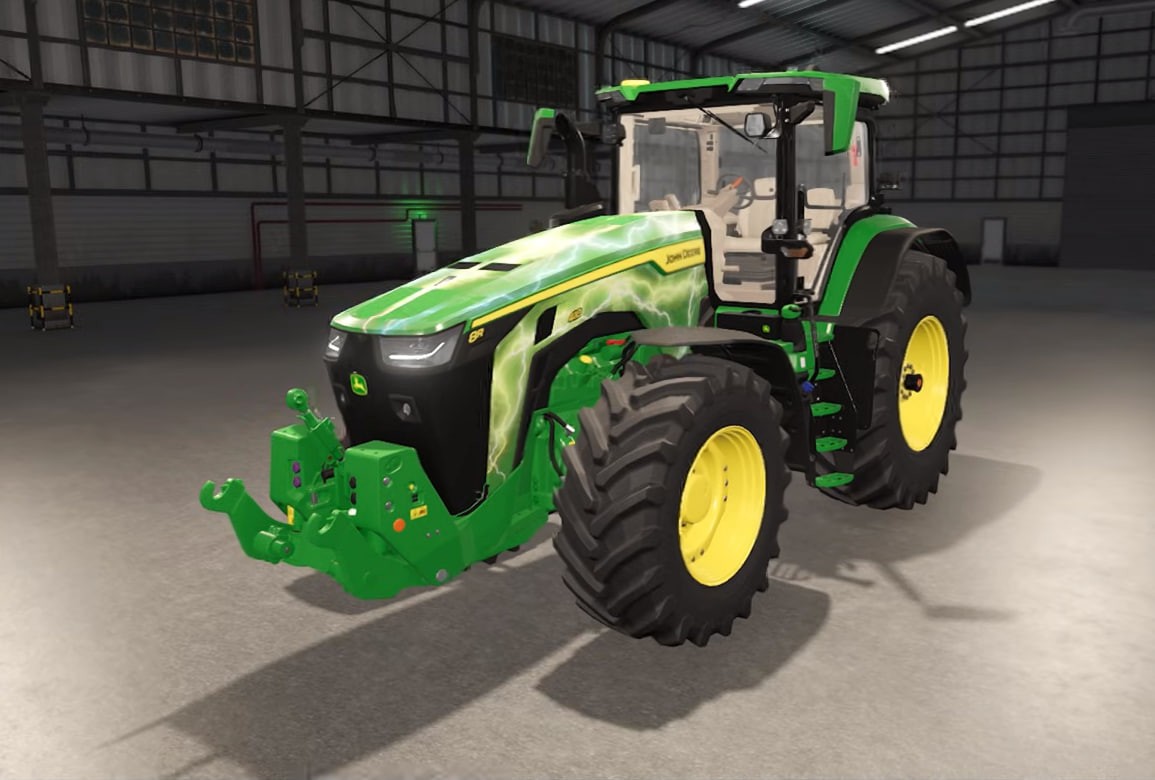
In the 300 to 410 horsepower commercial row-crop sector, the Case IH Magnum and John Deere 8R represent the pinnacle of high-draft field mechanization. The Case IH Magnum (powered by the 8.7L FPT Cursor 9 engine) excels in brute drawbar pulling torque, offering both the proven 18/19-speed full PowerDrive powershift and the stepless CVXDrive CVT, alongside its innovative optional Rowtrac oscillating rear rubber track system that minimizes soil compaction between 30-inch crop rows. John Deere 8R (powered by the 9.0L PowerTech PSS twin-turbocharged diesel) counters with the agricultural industry most refined transmission choices (the 23-speed e23 powershift and stepless AutoPowr/IVT), paired with its legendary ILS (Independent Link Suspension) front axle that delivers unmatched high-speed field ride comfort and draft control. In Nebraska Tractor Test Laboratory trials, both platforms achieve exceptional drawbar fuel efficiency (surpassing 17 to 18 horsepower-hours per gallon), with John Deere holding an edge in cab noise suppression and precision guidance integration, while Case IH delivers higher peak engine torque and lower initial capital acquisition costs.
This field report is an operational deep dive within our Head-to-Head Benchmark Battles & Brand Rivalries series. For the foundational engineering formulas and sizing benchmarks, read our primary pillar guide: The 800+ HP Monster Tractor Battle: John Deere 9RX 830 vs Case IH Steiger 715 Quadtrac vs CLAAS Xerion 12.650 .
table_chart Benchmark Specifications by Horsepower Tier
| Model | Engine HP | PTO HP | Hydraulic Flow | Hitch Lift | Primary Application |
|---|---|---|---|---|---|
| John Deere 8R 410 (Waterloo High-Horsepower Flagship) | 410 rated HP (443 max HP) 9.0L PowerTech PSS Twin-Turbo | 345 PTO HP at 1000 RPM | 85 GPM (321 LPM) dual-pump closed-center PFC hydraulics | 20,000 lbs (9,072 kg) Category 4N/3 electro-hydraulic hitch | High-speed 16 to 24 row precision planting, heavy vertical tillage, and 1,000-bushel grain carts |
| Case IH Magnum 340 AFS Connect (High-Torque Heavy Row Crop) | 340 rated HP (410 peak HP with Power Growth) 8.7L FPT Cursor 9 | 290 PTO HP at 1000 RPM | 44 to 75 GPM twin-pump hydraulic system | 19,500 lbs rear three-point lift capacity | Deep subsoil ripping, continuous fall tillage, and high-traction row-crop operations |
| John Deere 8400R e23 (Powershift Efficiency Benchmark) | 400 rated HP (440 max HP) 9.0L Diesel | 335 PTO HP (Nebraska Test 2172) | e23 Efficiency Manager transmission with automatic throttle shifting | Drawbar fuel efficiency: 18.06 hp-hr/gal under maximum pull | Comparing mechanical powershift fuel economy and draft efficiency against stepless CVTs |
| Case IH Magnum 335 (Proven Mechanical Drivetrain) | 335 rated engine HP 8.7L Turbocharged | 275 PTO HP at 1000 RPM | Full powershift transmission with in-cab programmable shift points | Category 3/3N three-point hitch with quick coupler | Evaluating long-term reliability and heavy mechanical pulling power across generation shifts |
1. Engine Powerplants: 8.7L FPT Cursor 9 vs 9.0L John Deere PowerTech Twin-Turbo
2. Transmission Shootout: e23 vs Full PowerDrive Powershift and Stepless CVTs
3. Ride Quality and Draft Control: Deere ILS Independent Front Axle vs CNH Beam Axle
4. Flotation and Compaction: Case IH Magnum Rowtrac vs Deere Dual Radials
5. Cab Architecture: John Deere CommandARM G5 vs Case IH AFS Connect MultiControl
6. Nebraska Dyno Tests and the Commercial Verdict: Fuel Burn per Hour and Resale Margins
Equipment Buyer's Verification Checklist
High-Horsepower Row Crop Tractor Fleet Evaluation Checklist
- check_box_outline_blank Determine primary implement draft requirements: verify engine horsepower at 5.5 to 7.0 mph working speed
- check_box_outline_blank Compare transmission types: evaluate e23 or PowerDrive powershift efficiency vs stepless CVT flexibility
- check_box_outline_blank Evaluate front axle suspension: test drive John Deere ILS independent suspension vs Case IH suspended beam axle
- check_box_outline_blank Assess soil compaction strategies: evaluate Case IH Magnum Rowtrac rear tracks vs dual VF radial tires
- check_box_outline_blank Inspect hydraulic remote capacity: ensure pump flow (minimum 60 to 85 GPM) supports continuous planter vacuum motors
- check_box_outline_blank Audit cab display software: compare John Deere CommandCenter G5 against Case IH AFS Pro 1200 interfaces
- check_box_outline_blank Review precision telematics: verify compatibility with your existing farm management mapping software
- check_box_outline_blank Obtain competitive dealer lease and cash purchase quotes including extended 5-year powertrain warranty options
Companion Field Evaluations in This Series
Explore related laboratory evaluations and implement matching guides published within the Head-to-Head Benchmark Battles & Brand Rivalries cluster:
A physical test comparison between the two best-selling sub-compact tractors in North America: Kubota BX23S vs John Deere 1025R. C...
help_outline Frequently Asked Questions
Which tractor has a better front suspension: John Deere 8R or Case IH Magnum?
John Deere 8R Independent Link Suspension (ILS) is widely regarded as the superior front suspension system. Unlike Case IH suspended beam axle, Deere ILS allows each front wheel to move independently on dual A-arms with hydraulic control cylinders. This keeps both front tires firmly planted on the ground, eliminates power hop during heavy drawbar pull, and delivers an exceptionally smooth ride across rough farm roads.
What is the benefit of the Case IH Magnum Rowtrac over a standard wheeled tractor?
The Case IH Magnum Rowtrac replaces the rear drive tires with triangular rubber track modules while keeping traditional steering wheels on the front. This design provides an enormous ground contact patch that drastically reduces soil compaction in 30-inch crop rows, prevents wheel slip in wet fields, and turns easily on headlands without berming up soil like traditional two-track machines.
How do fuel consumption numbers compare between the Magnum and 8R?
In Nebraska Tractor Test Laboratory trials, both tractors achieve elite fuel efficiency ratings between 17.2 and 18.1 horsepower-hours per gallon under full drawbar load. The John Deere e23 powershift holds a slight advantage in steady drawbar fuel efficiency due to its tightly spaced 23-speed gear ratios, while the Case IH Cursor 9 engine achieves slightly higher peak torque rise when lugging through dense soil spots.
Which platform holds higher resale value on the commercial market?
John Deere 8R series tractors consistently hold a 5 to 10 percent resale value premium over equivalent Case IH Magnum tractors on the secondary auction market. John Deere vast dealer network density, high brand demand, and tightly integrated precision guidance systems make 8R machines exceptionally liquid assets on regional farm sales.
Specialist with All About Tractors, focusing on agricultural powertrain performance, implement geometry, and field test diagnostics. All specifications cross-referenced with certified manufacturer technical sheets.