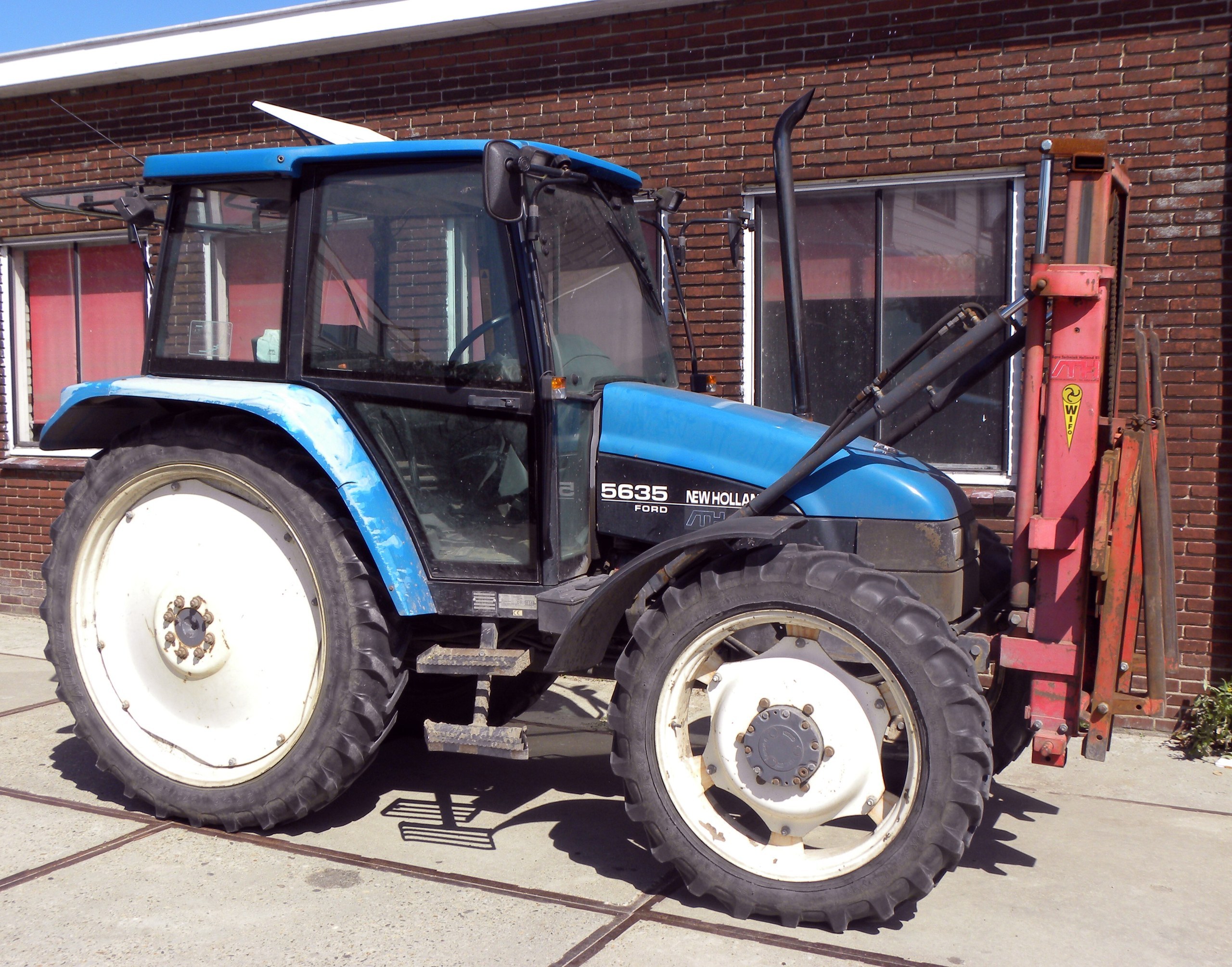
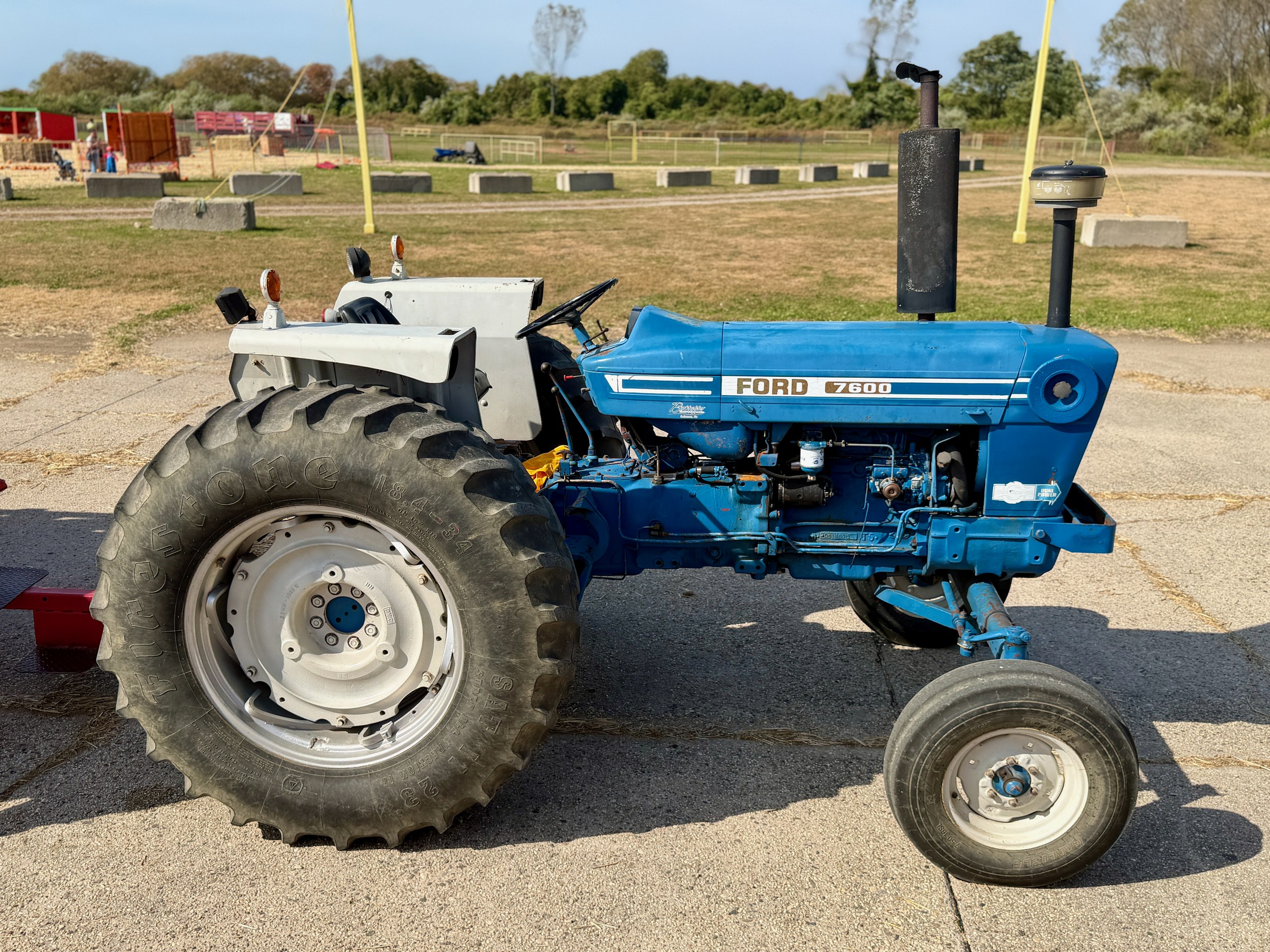
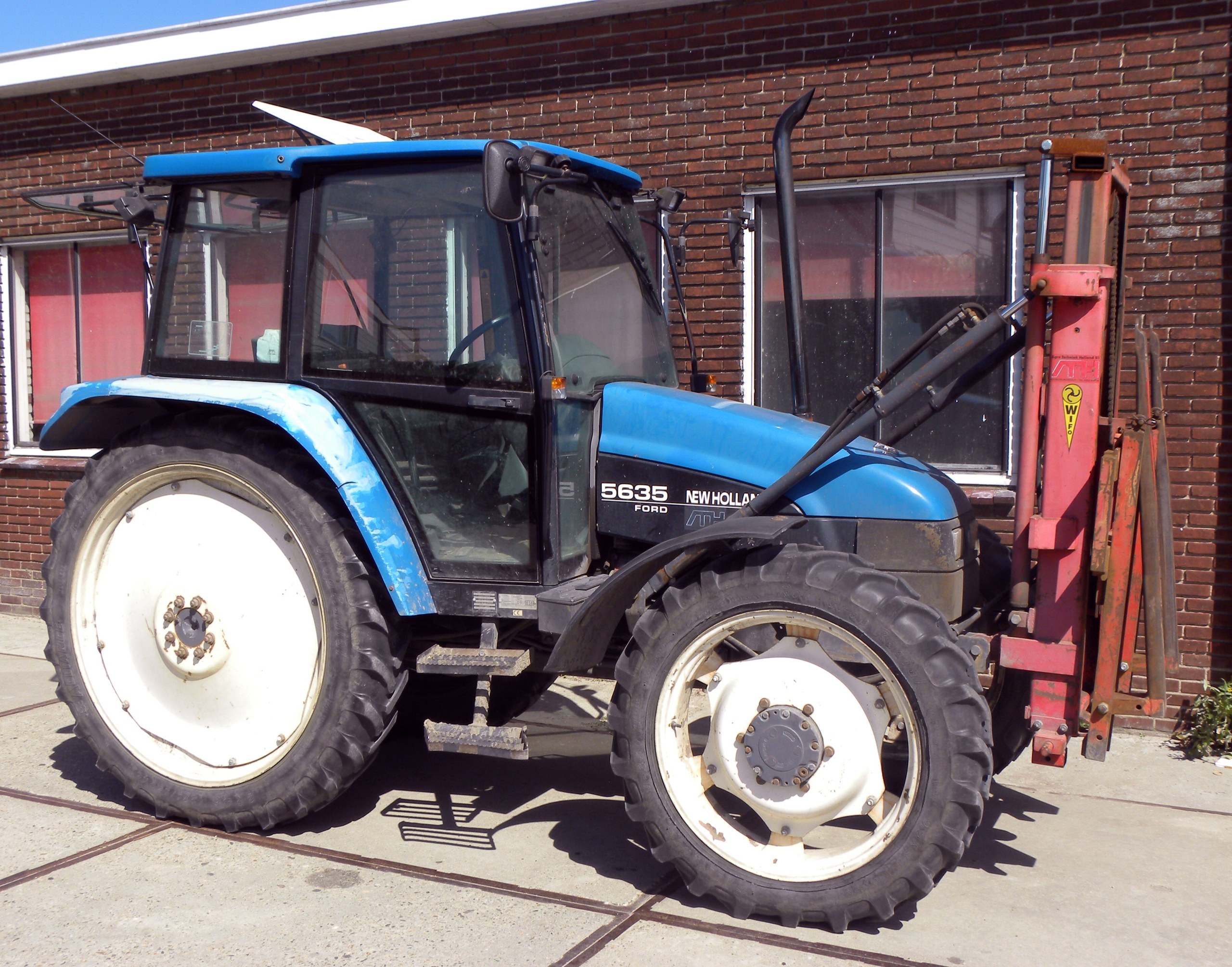
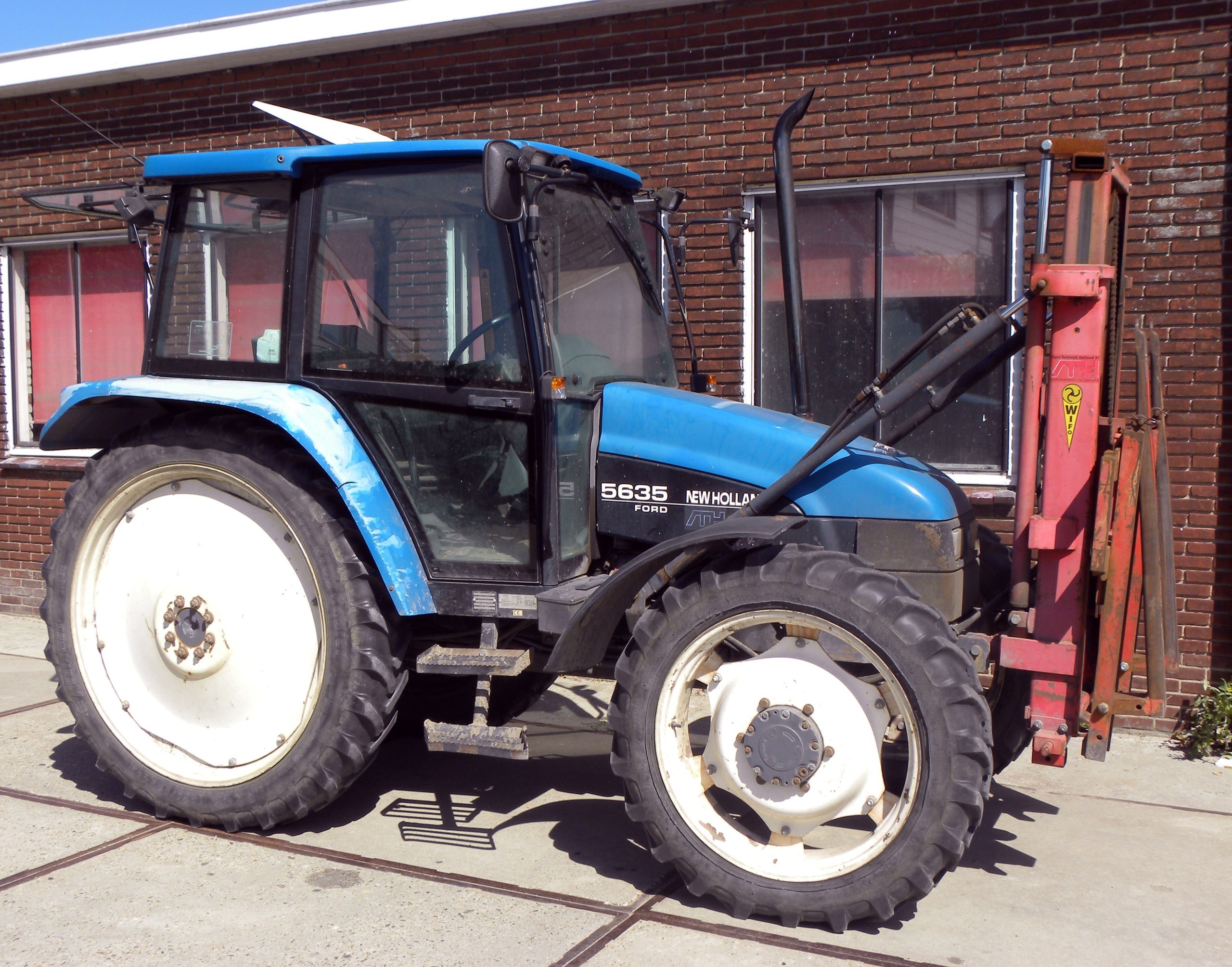
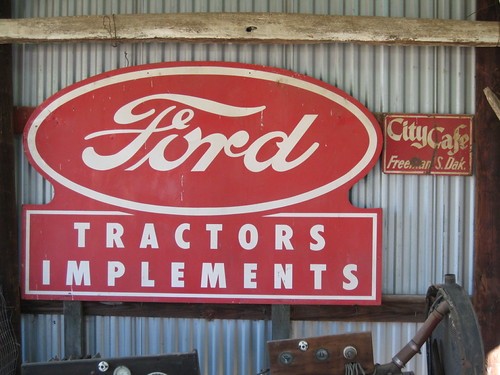
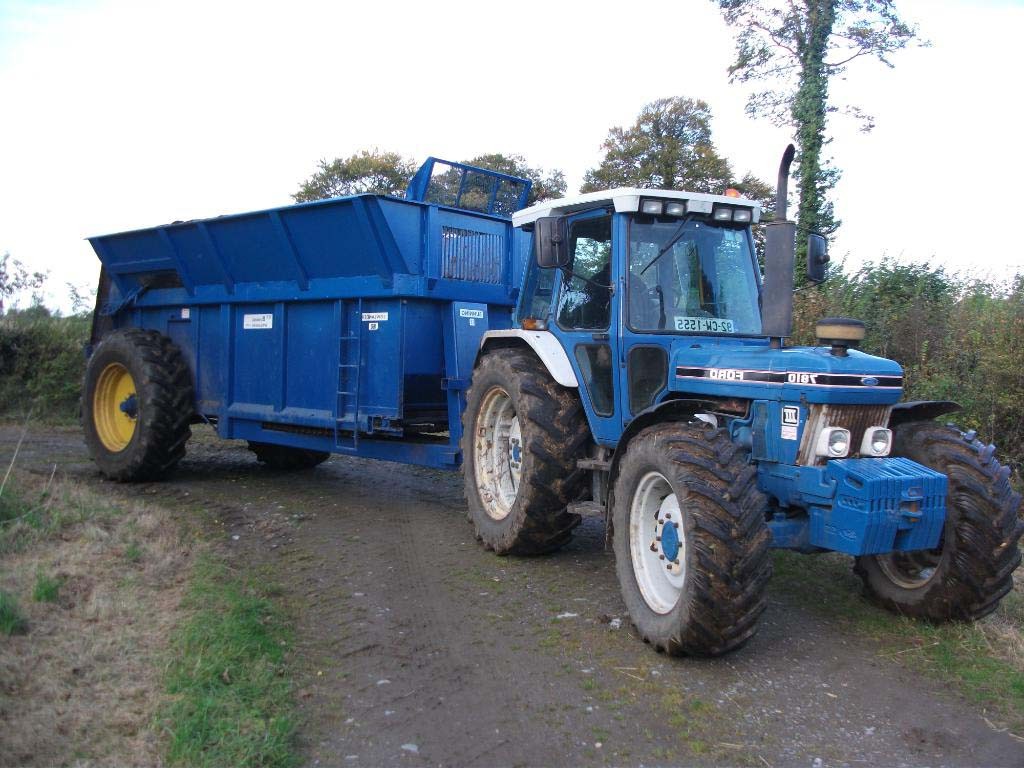
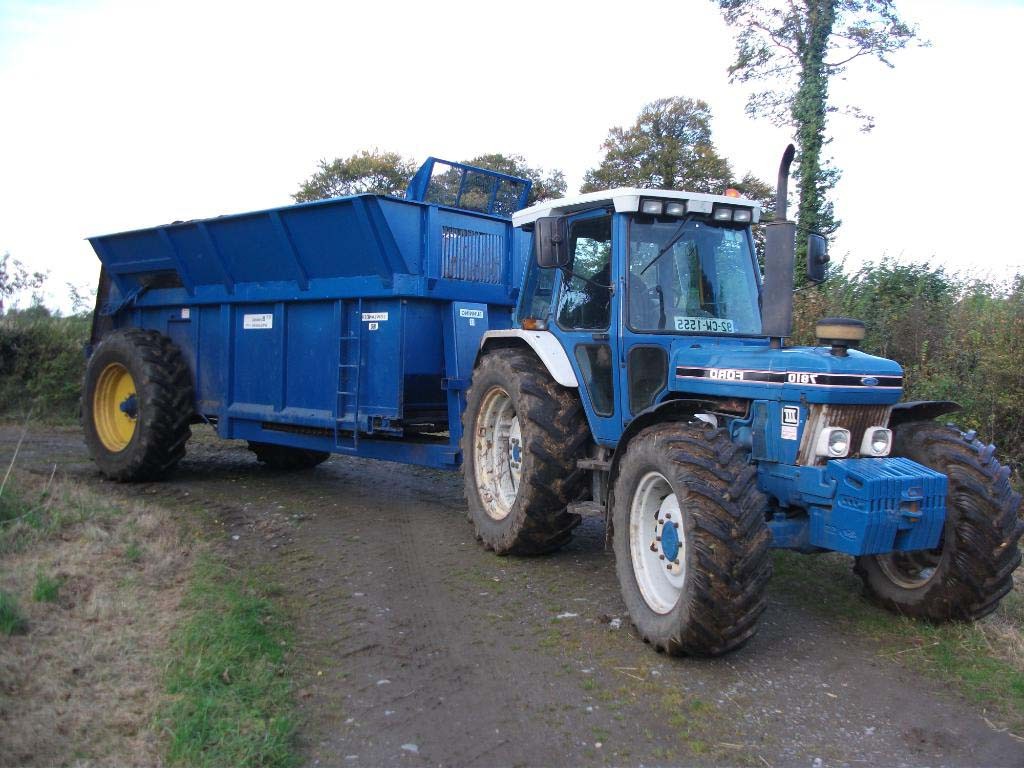
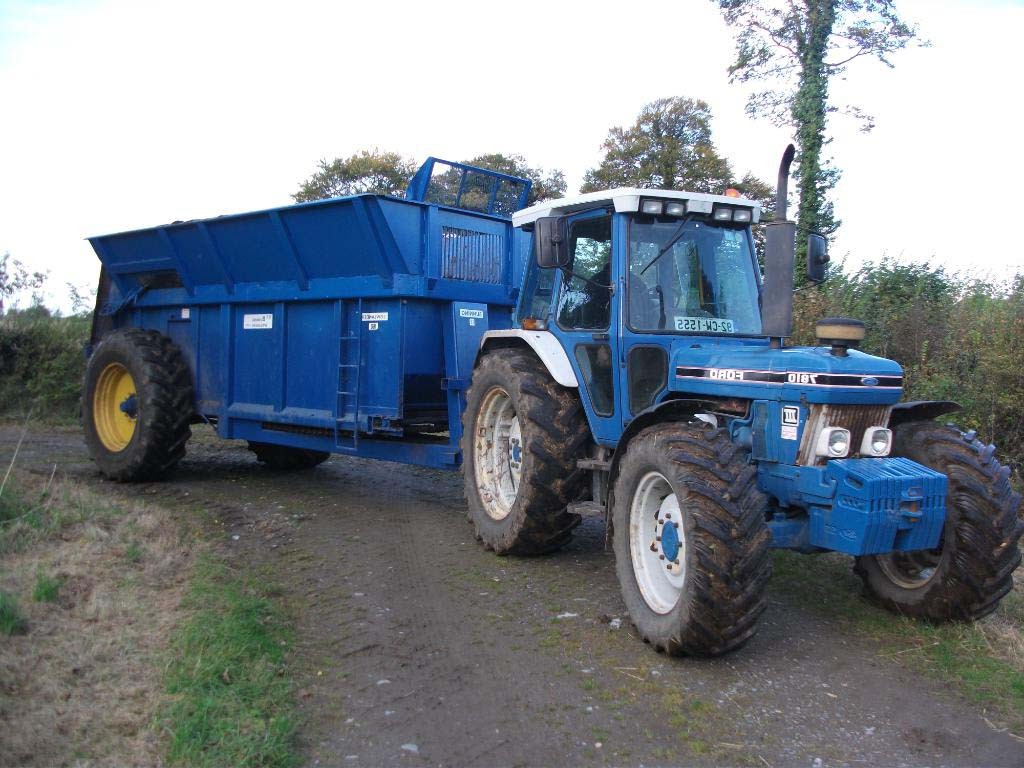
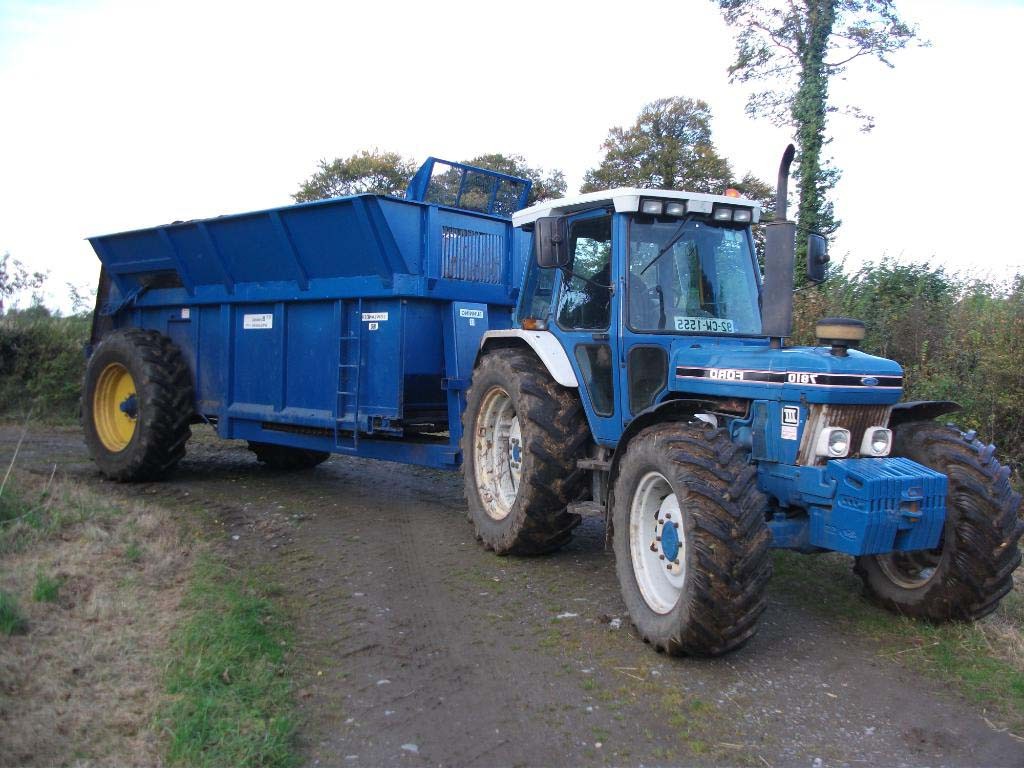
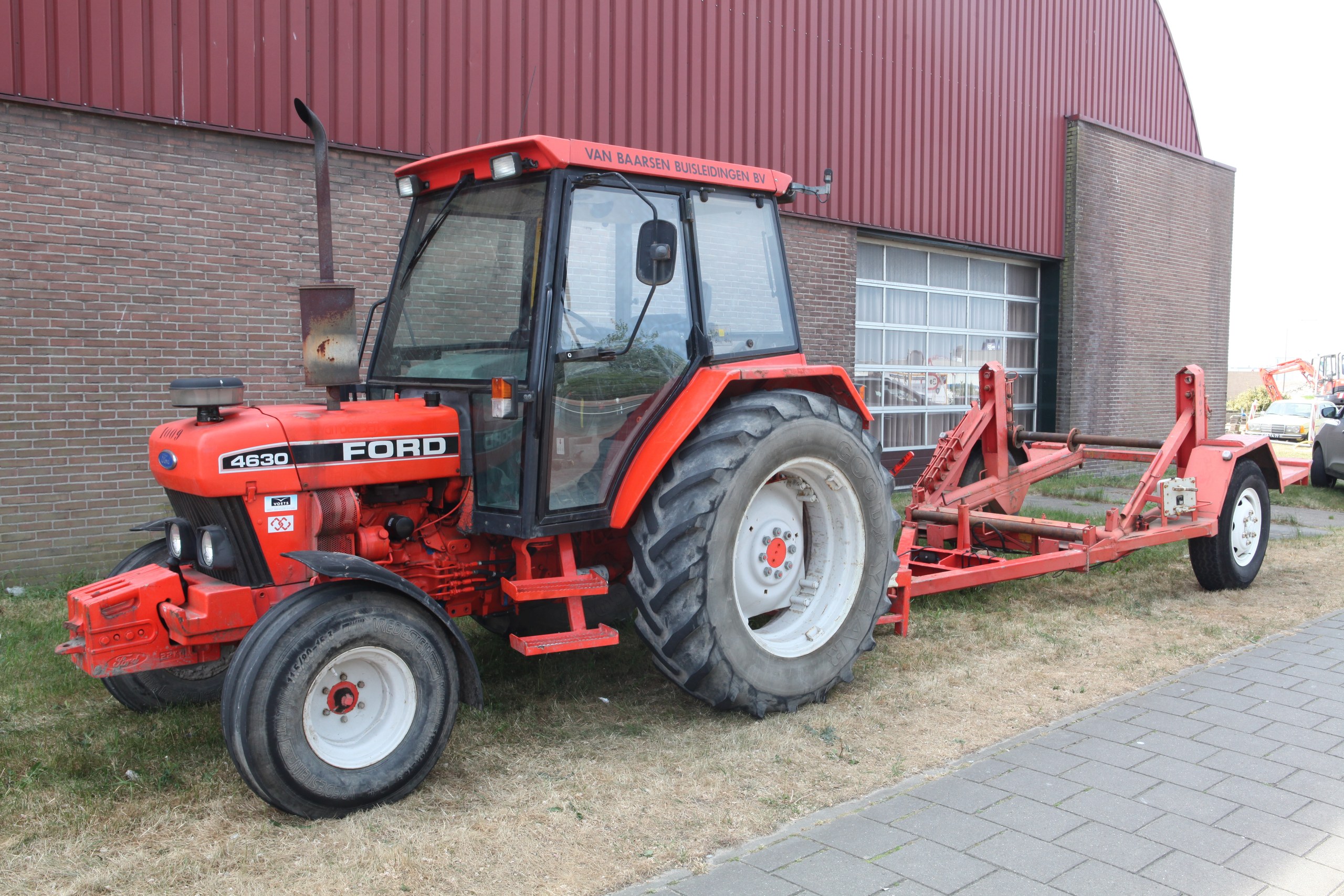
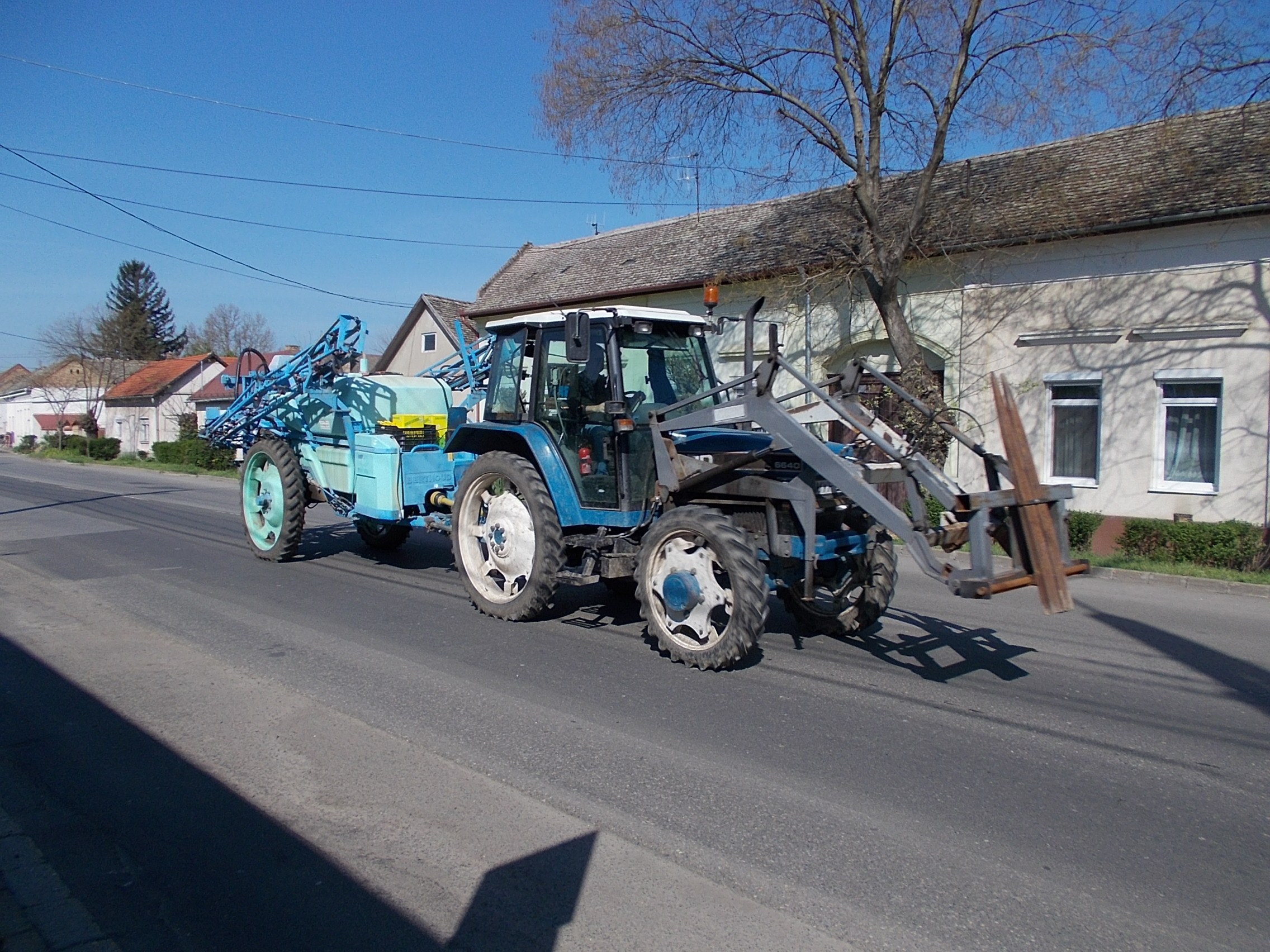
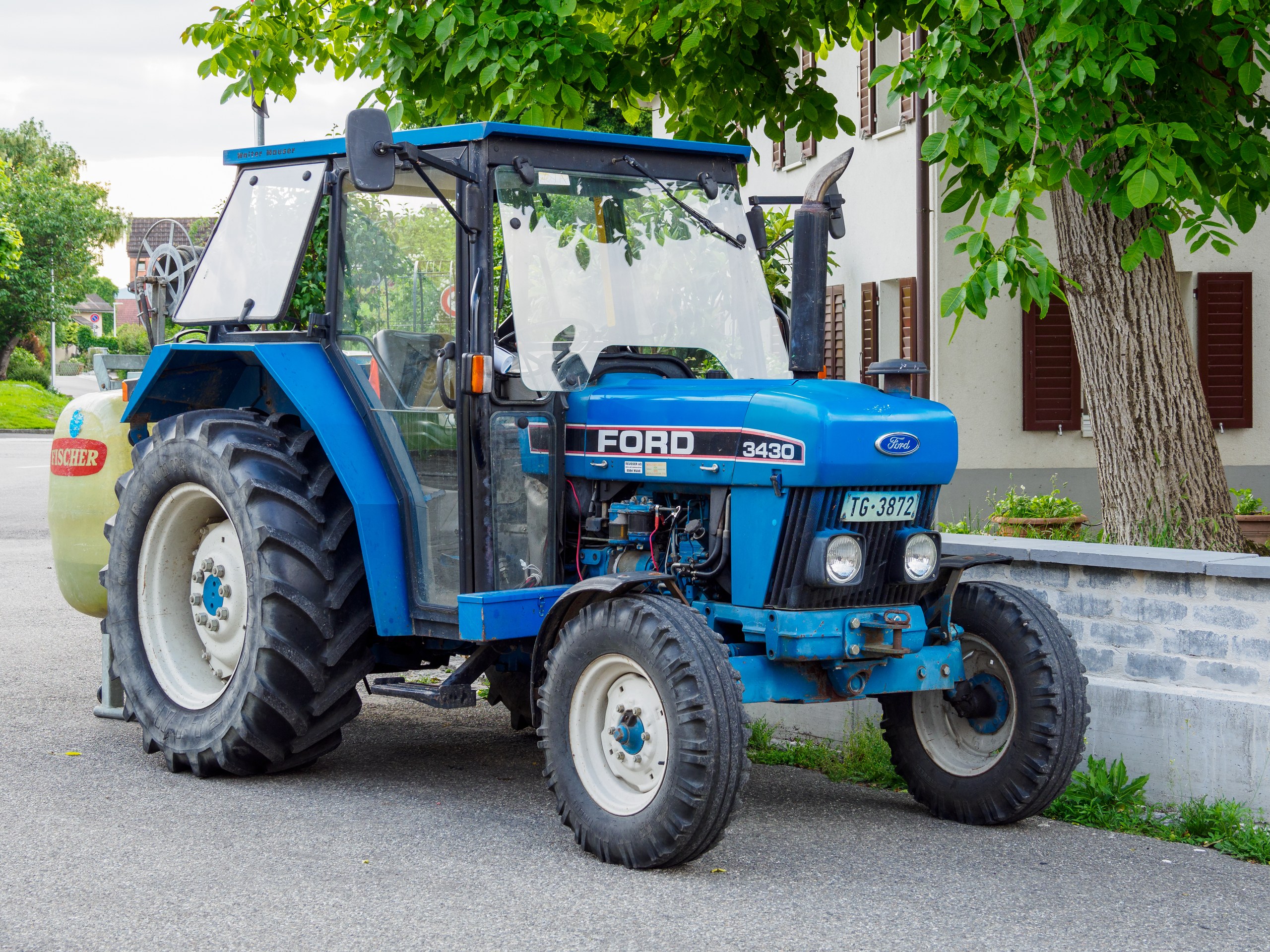
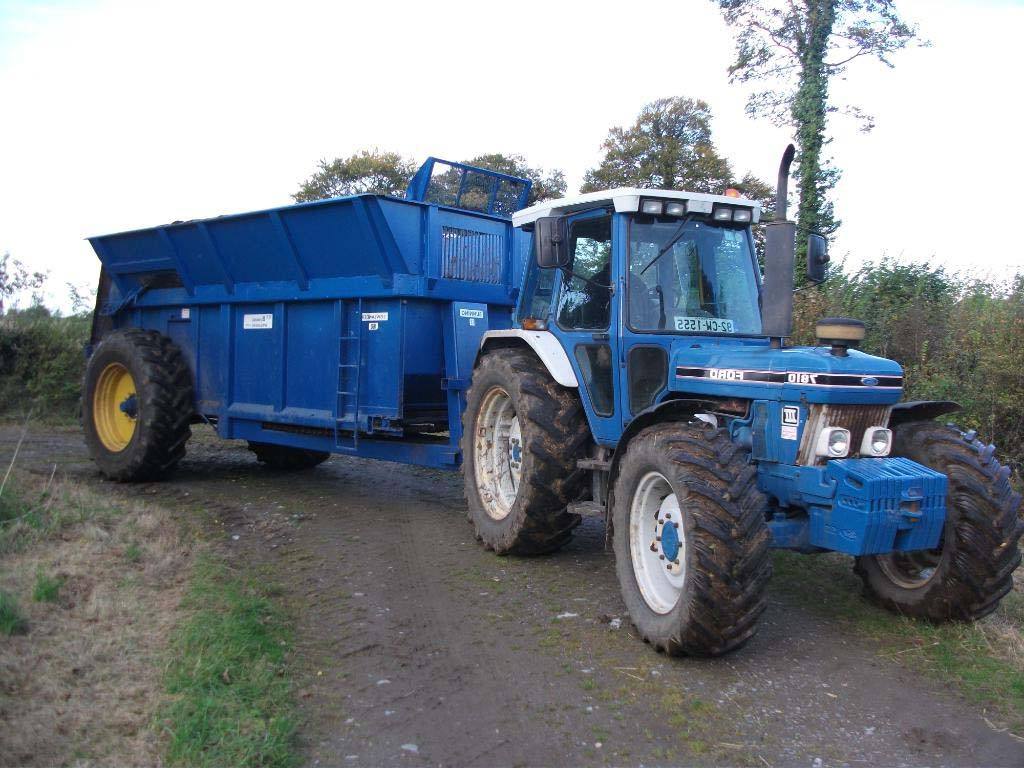
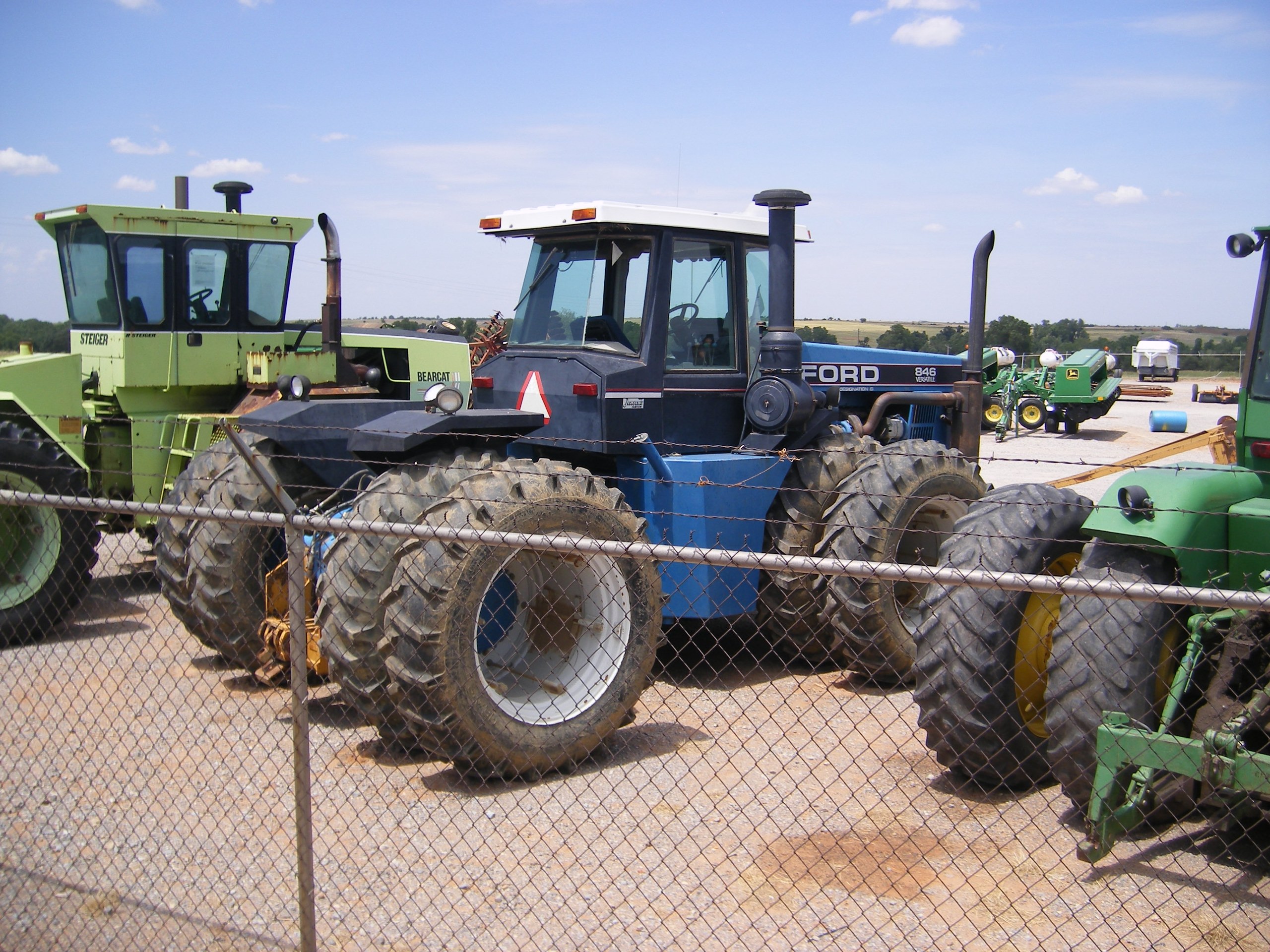
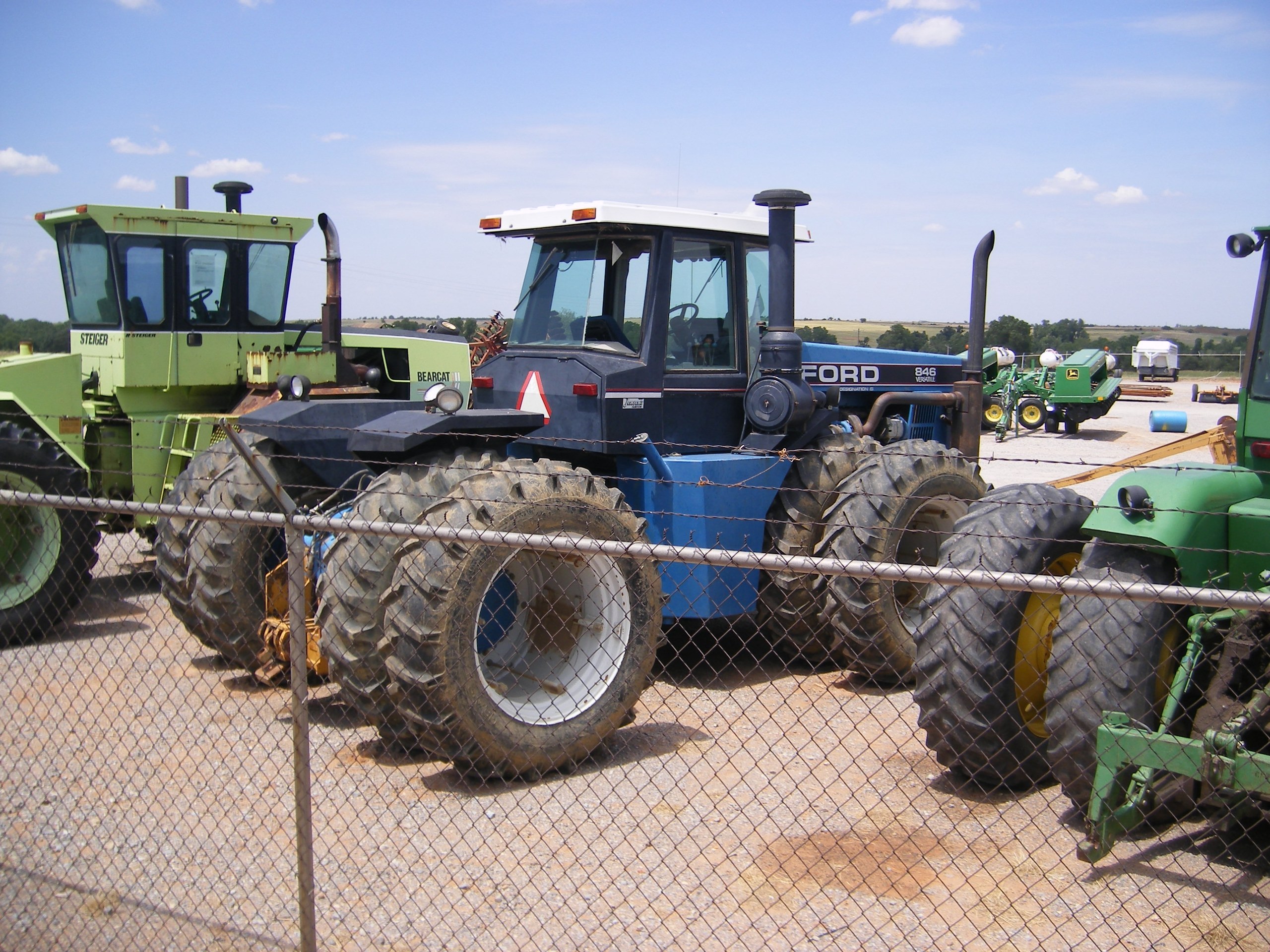
FORD

Ford Tractors

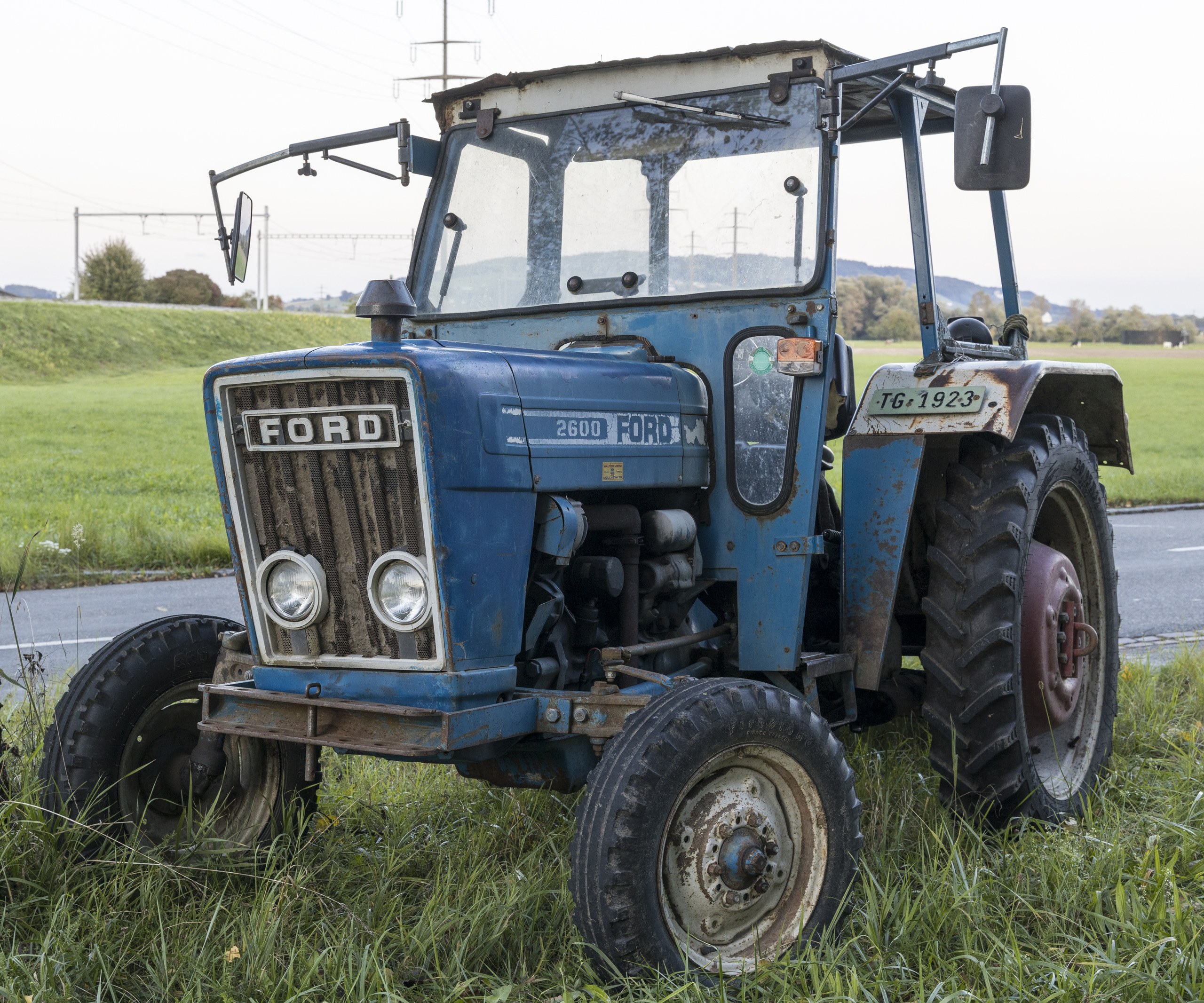
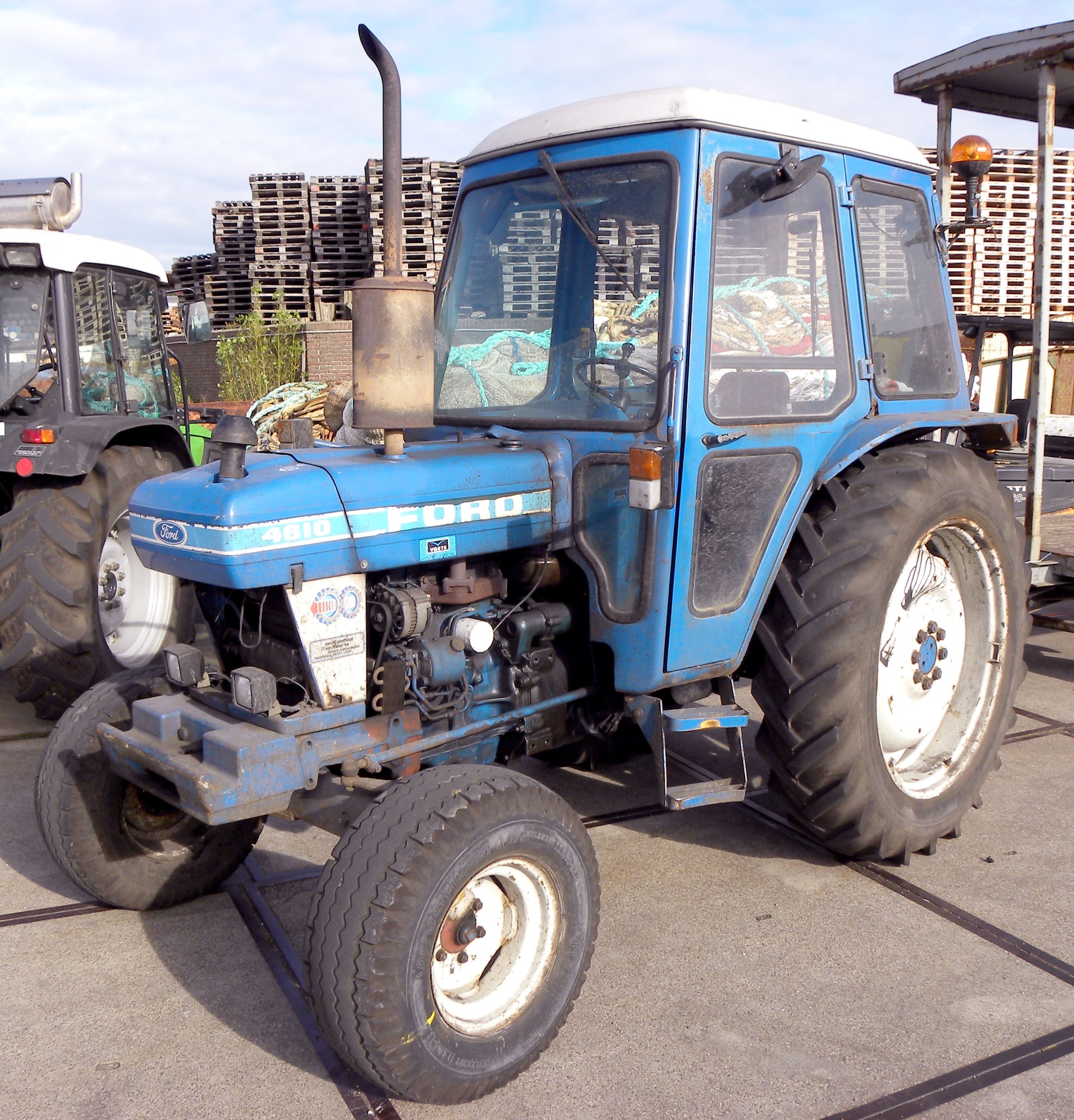
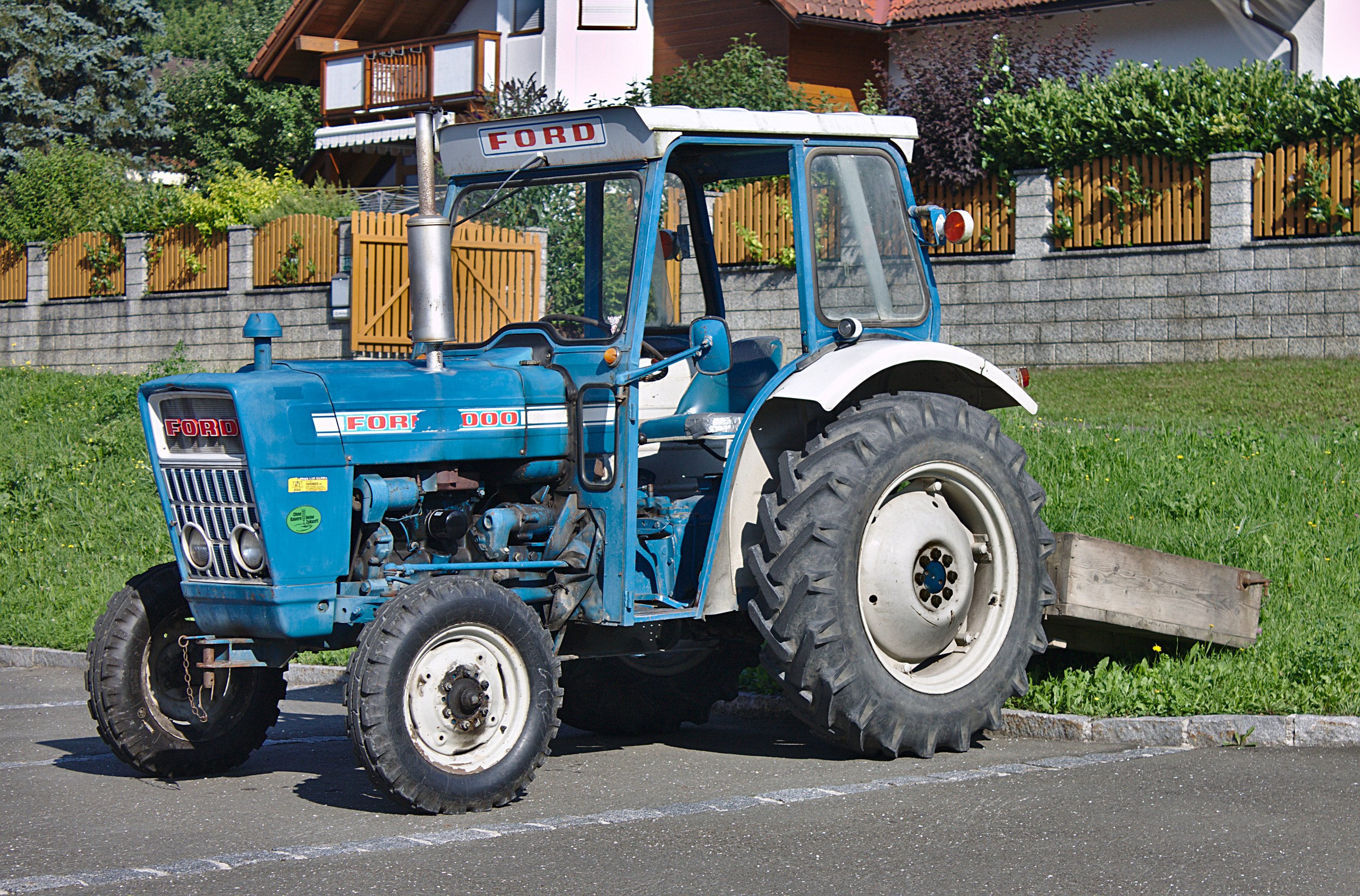
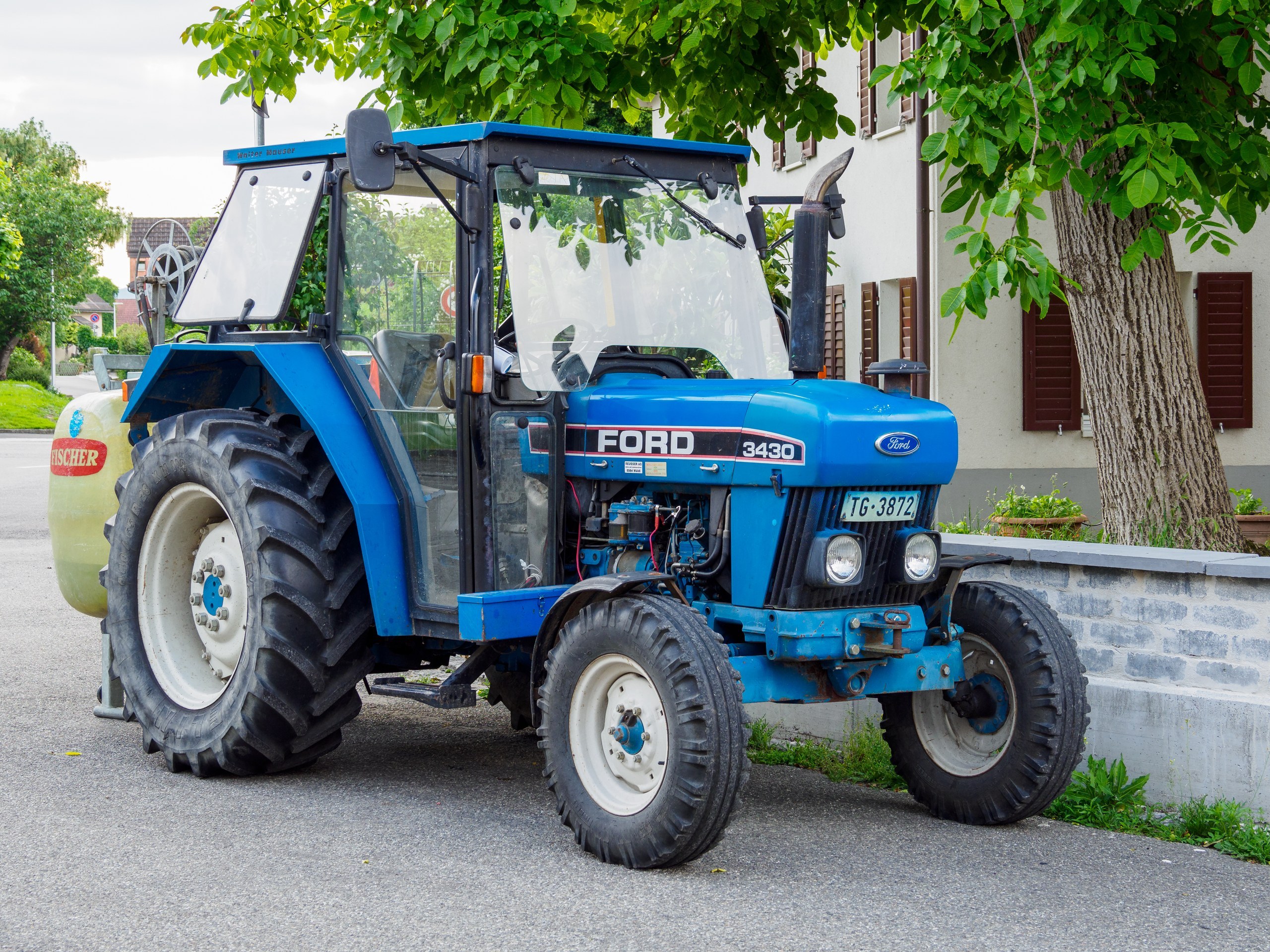
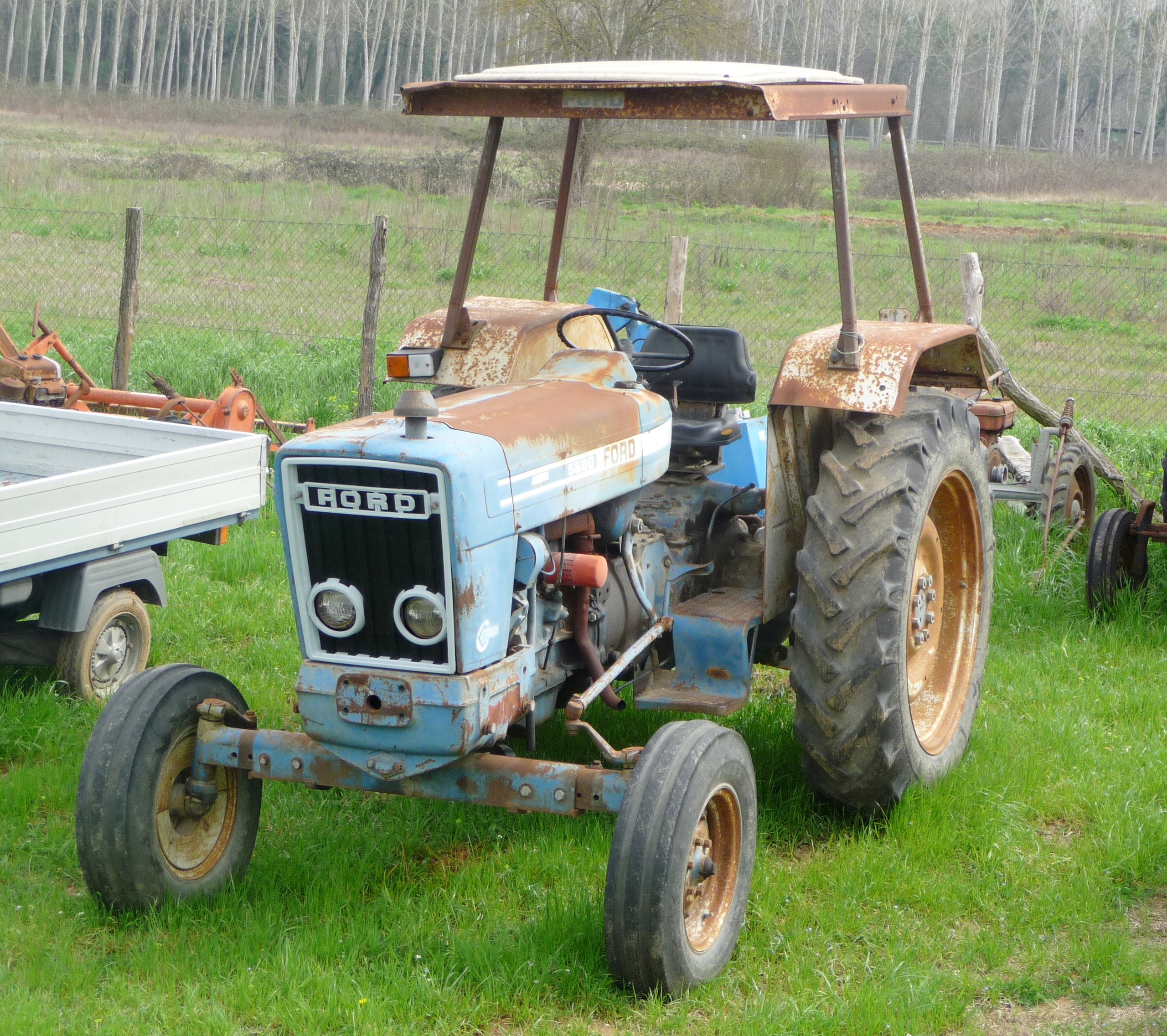
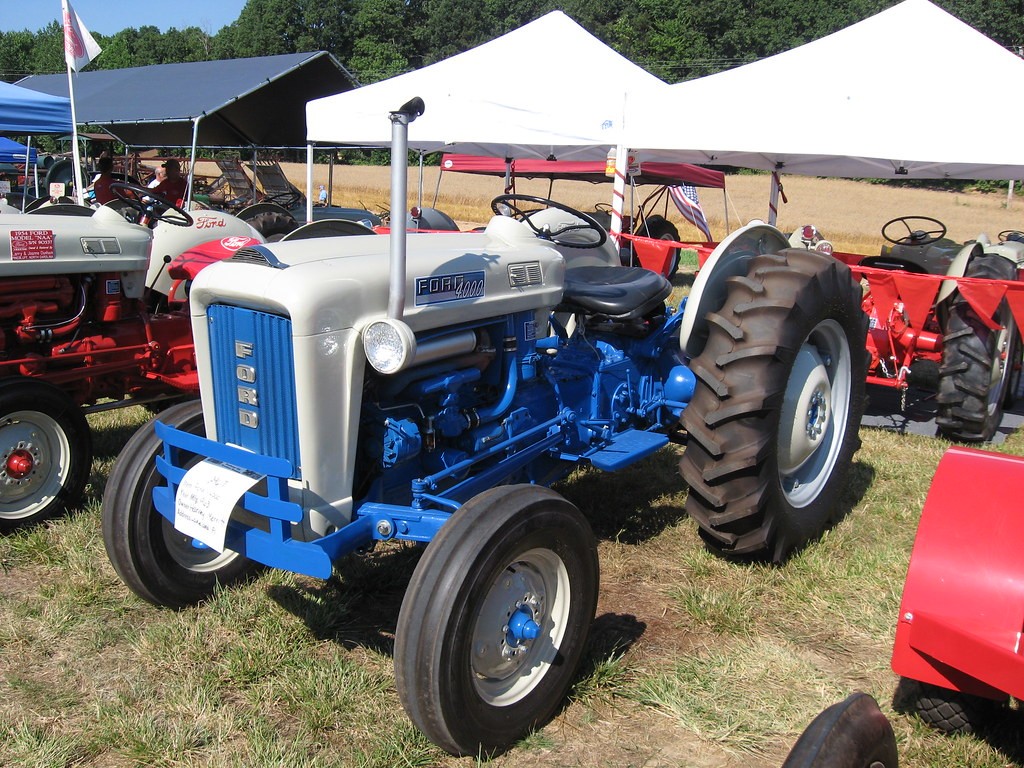
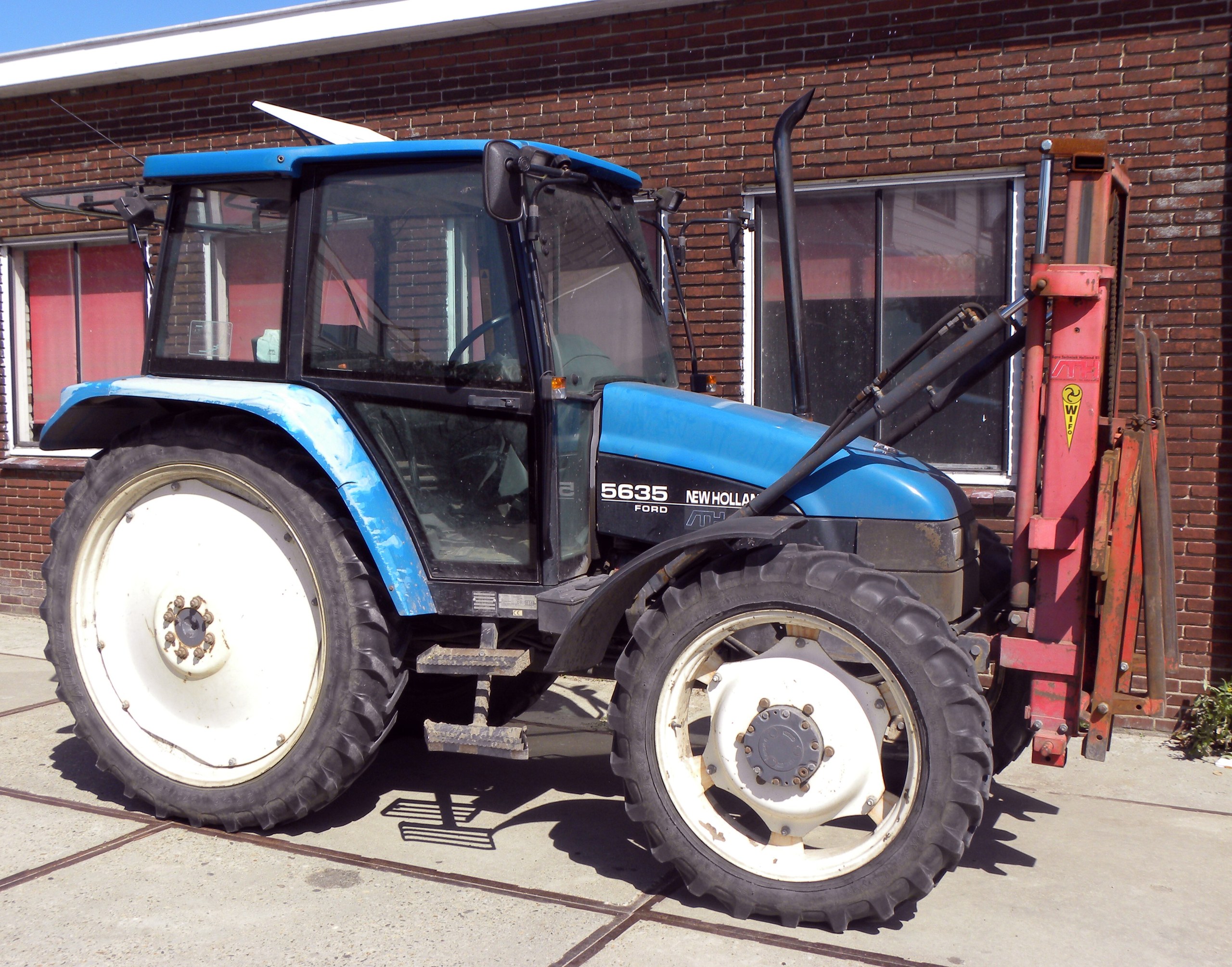
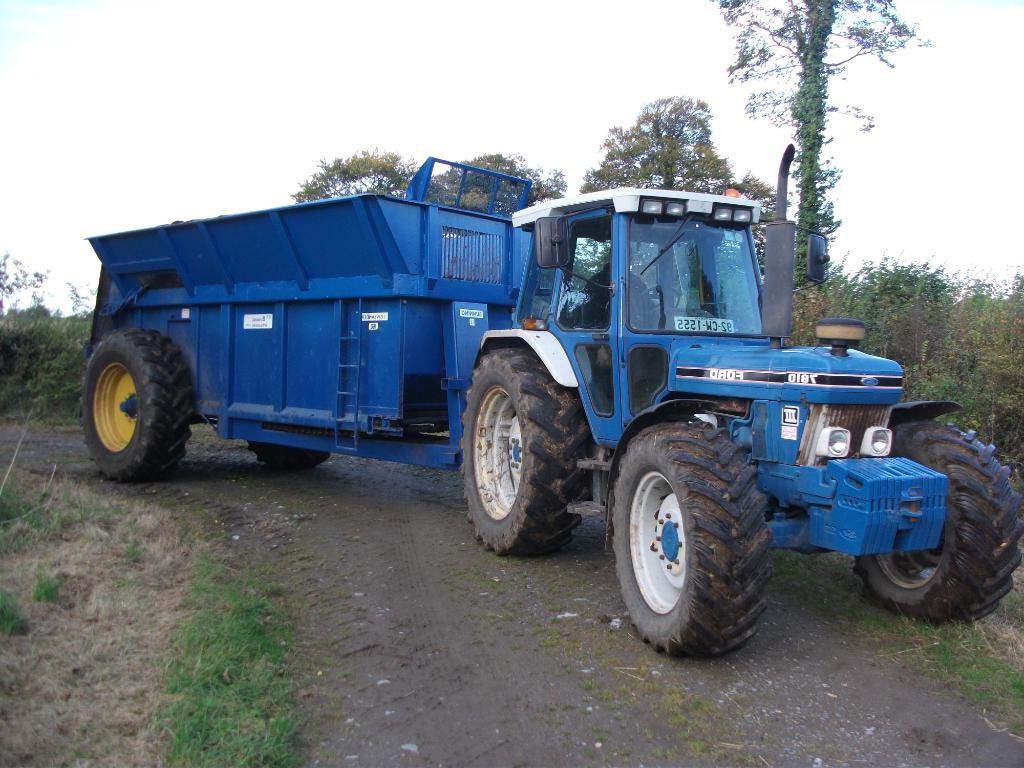
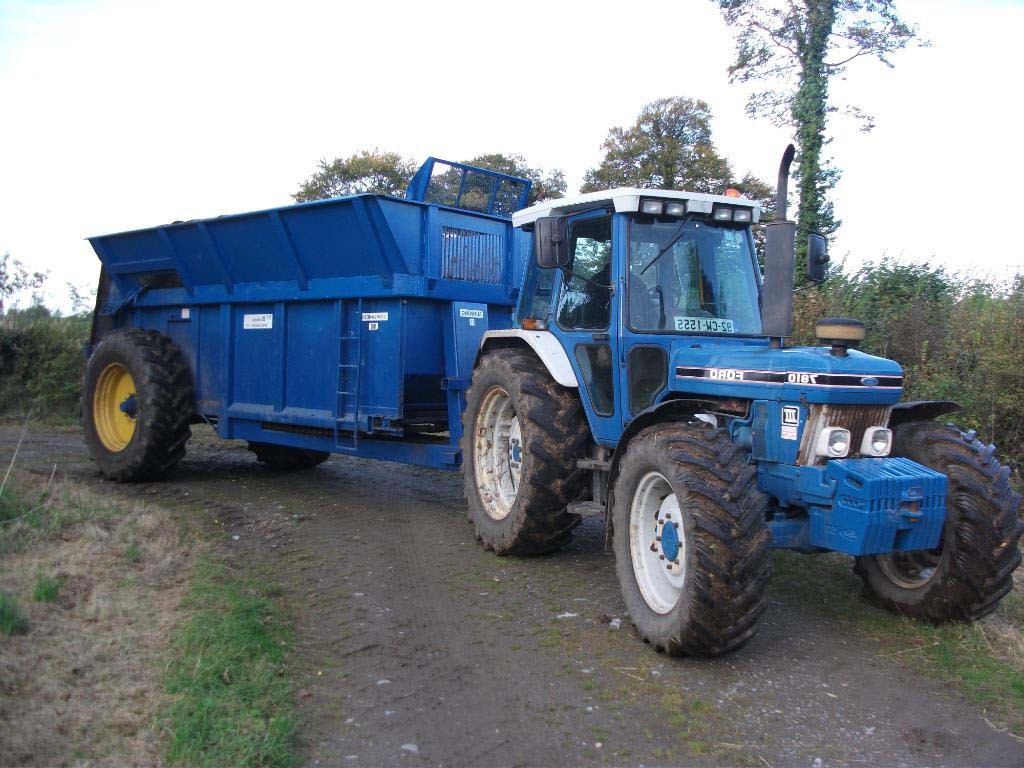
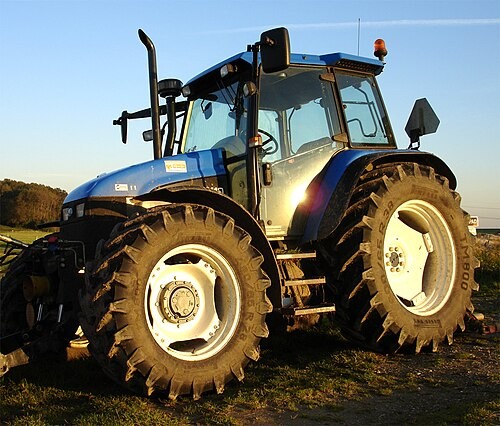
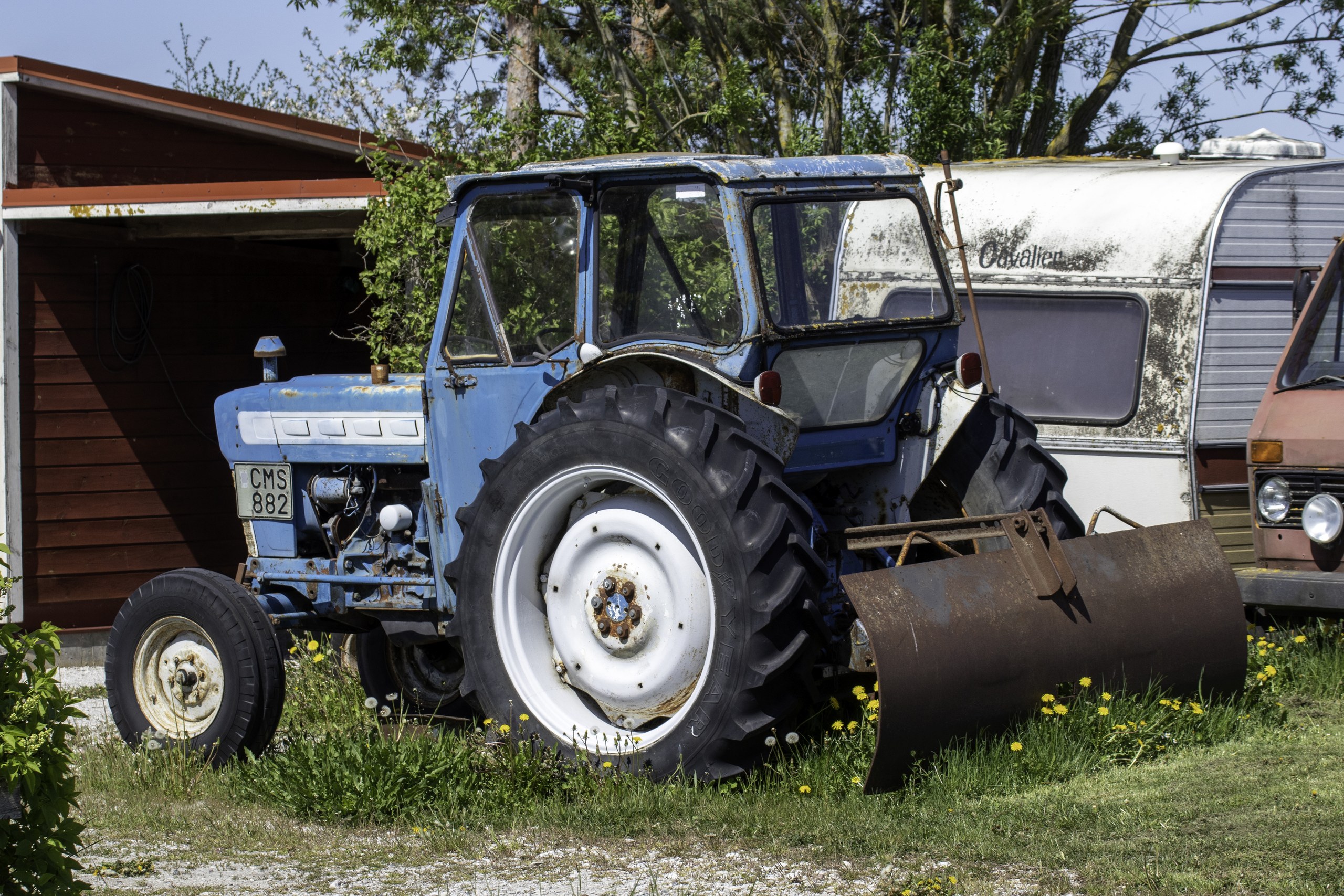
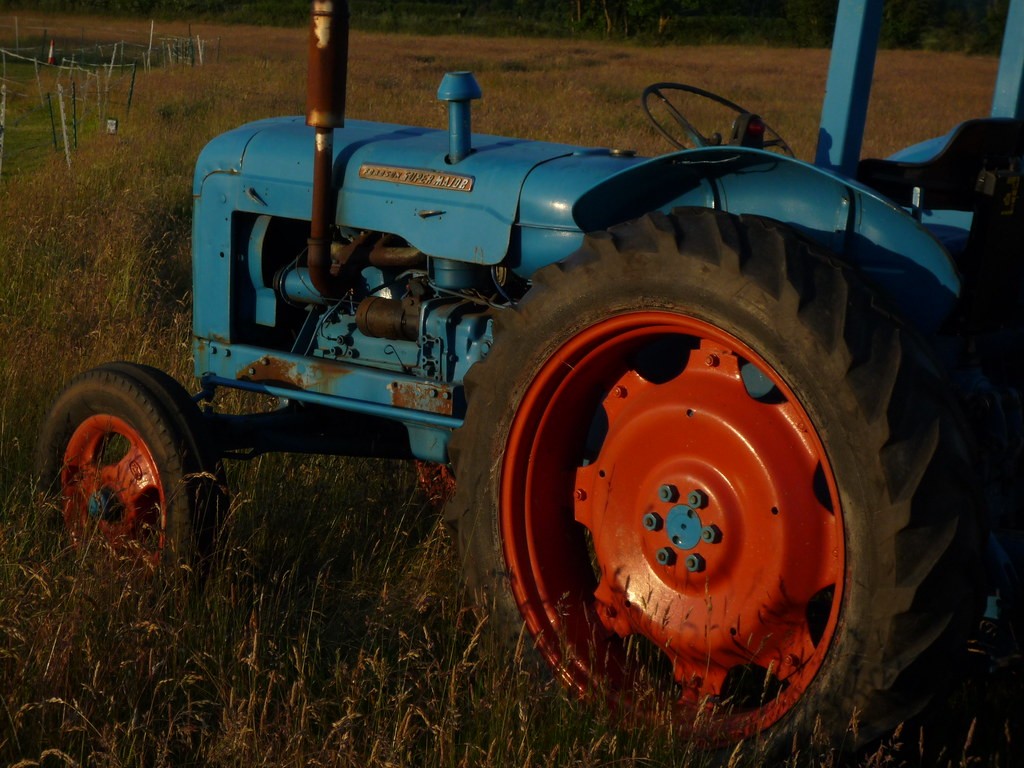
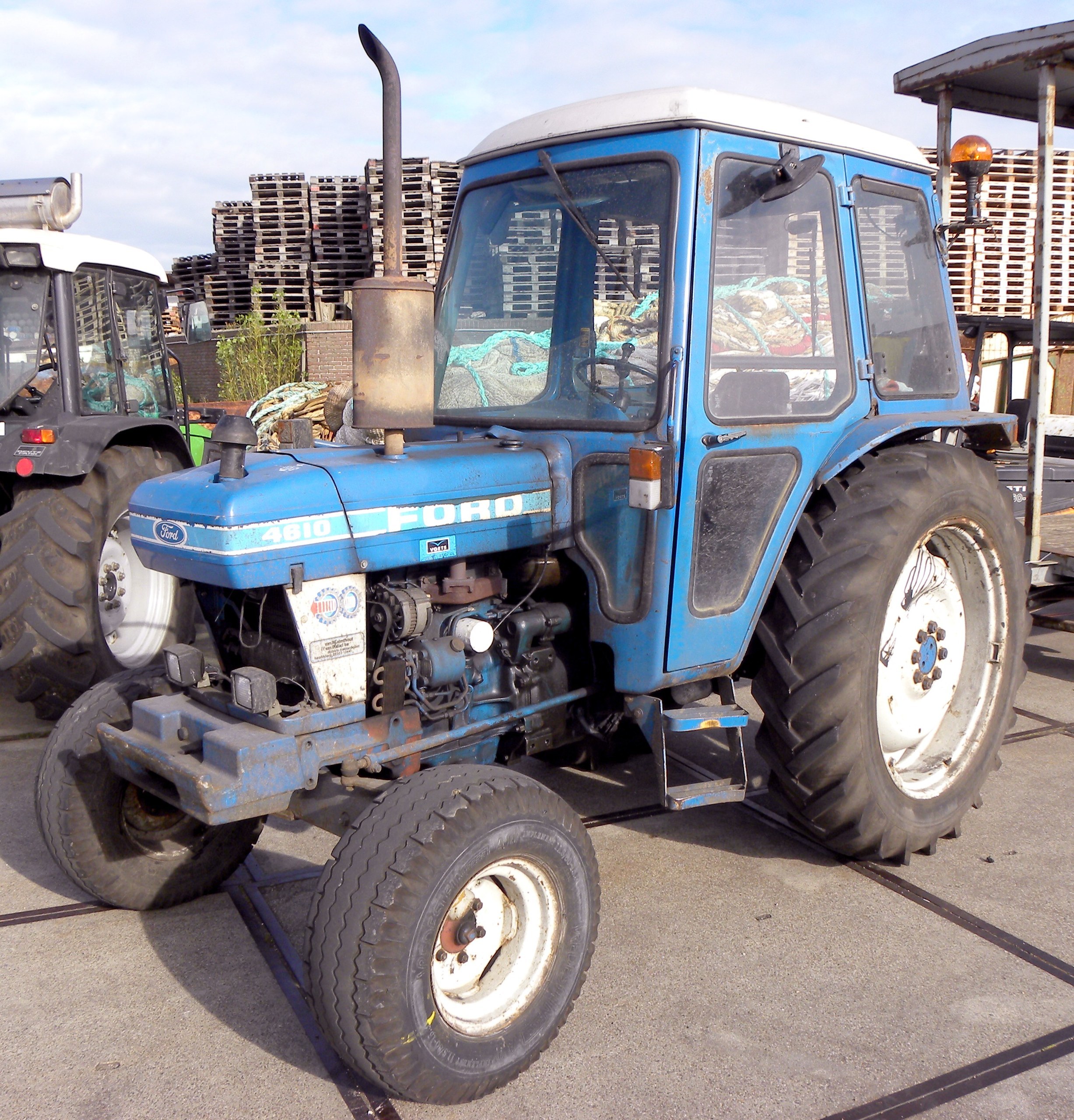
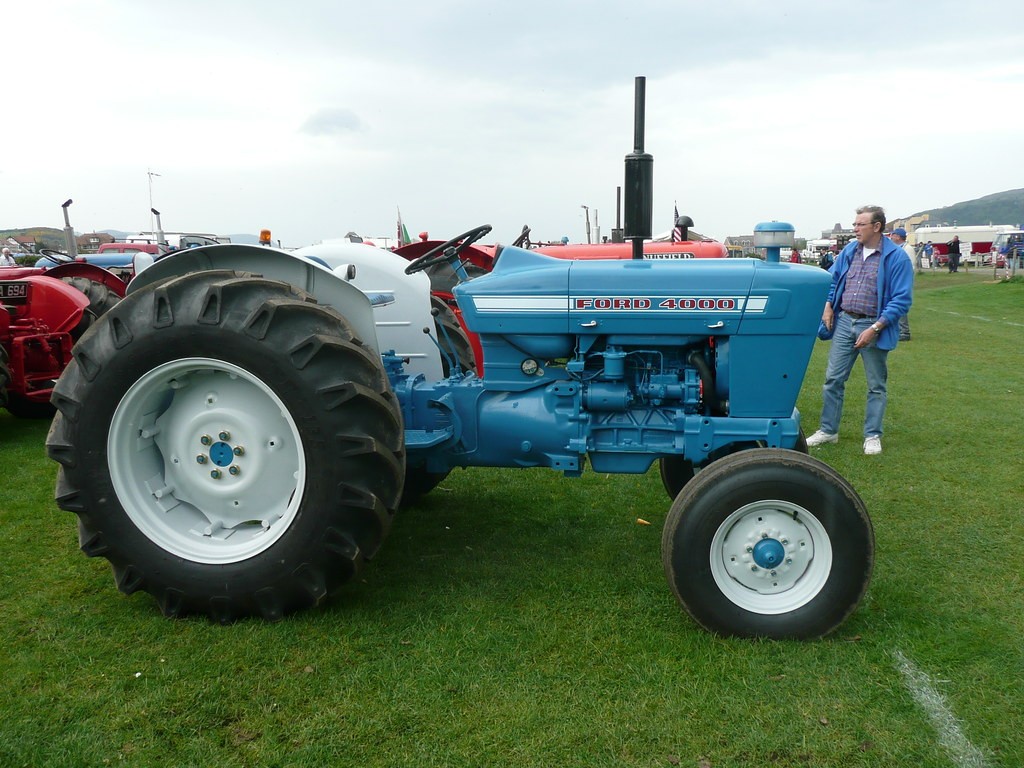
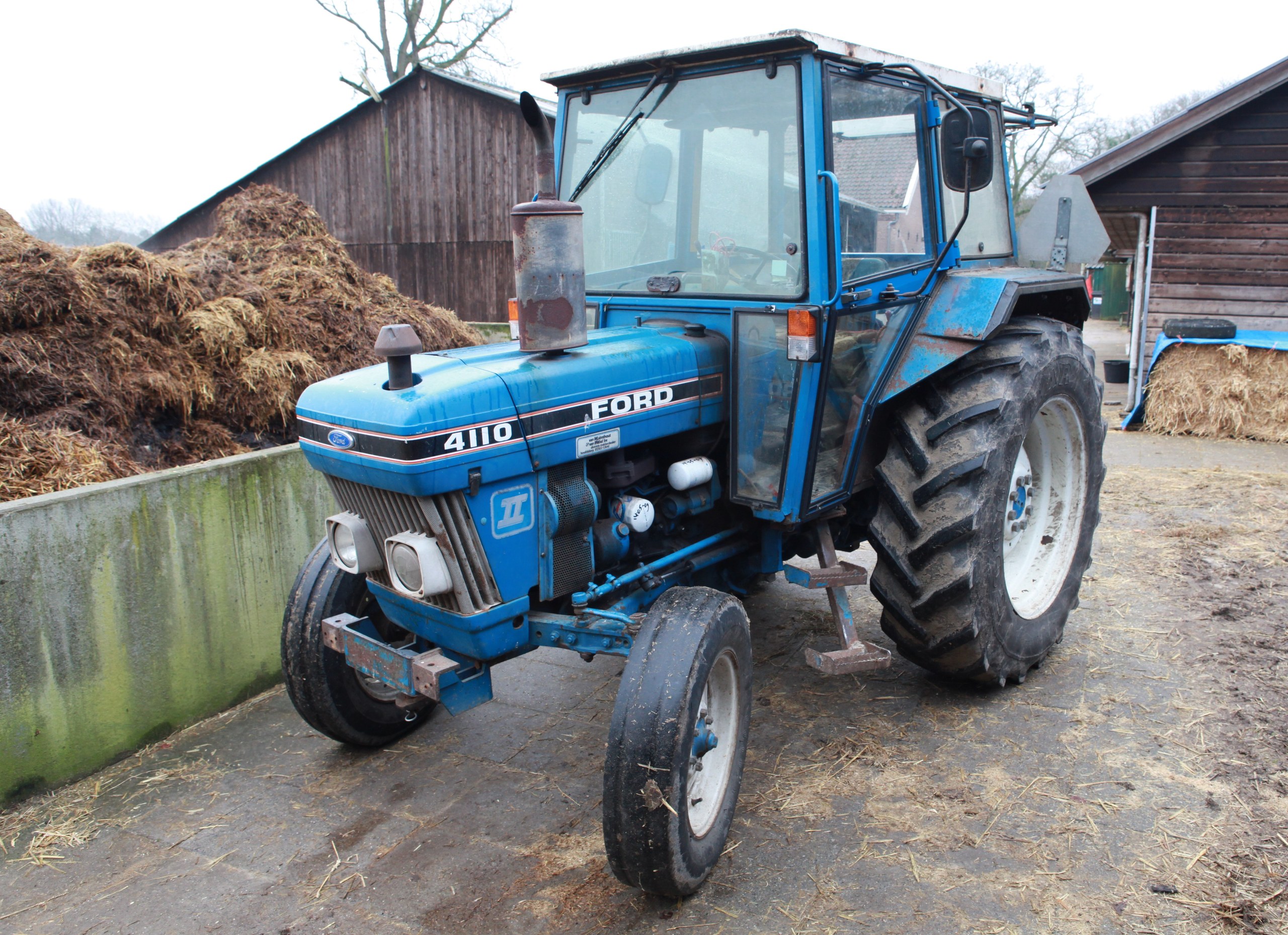
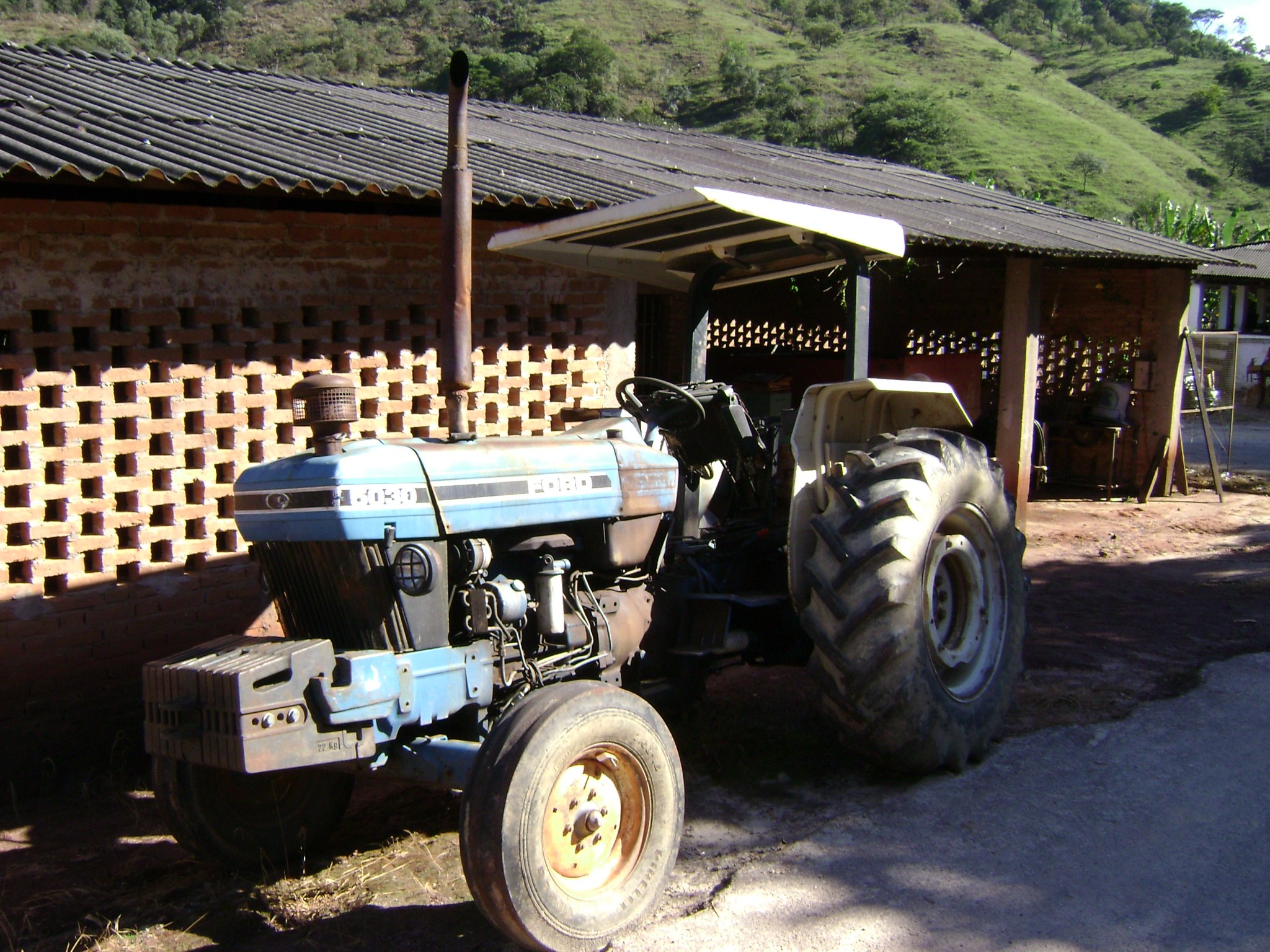
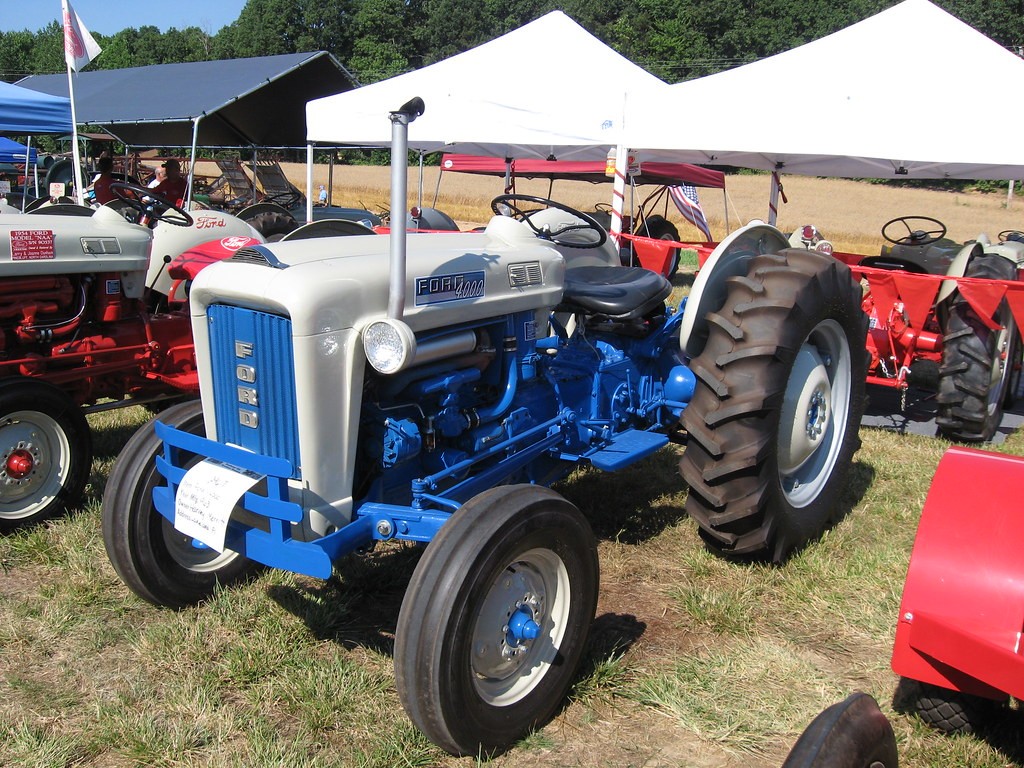
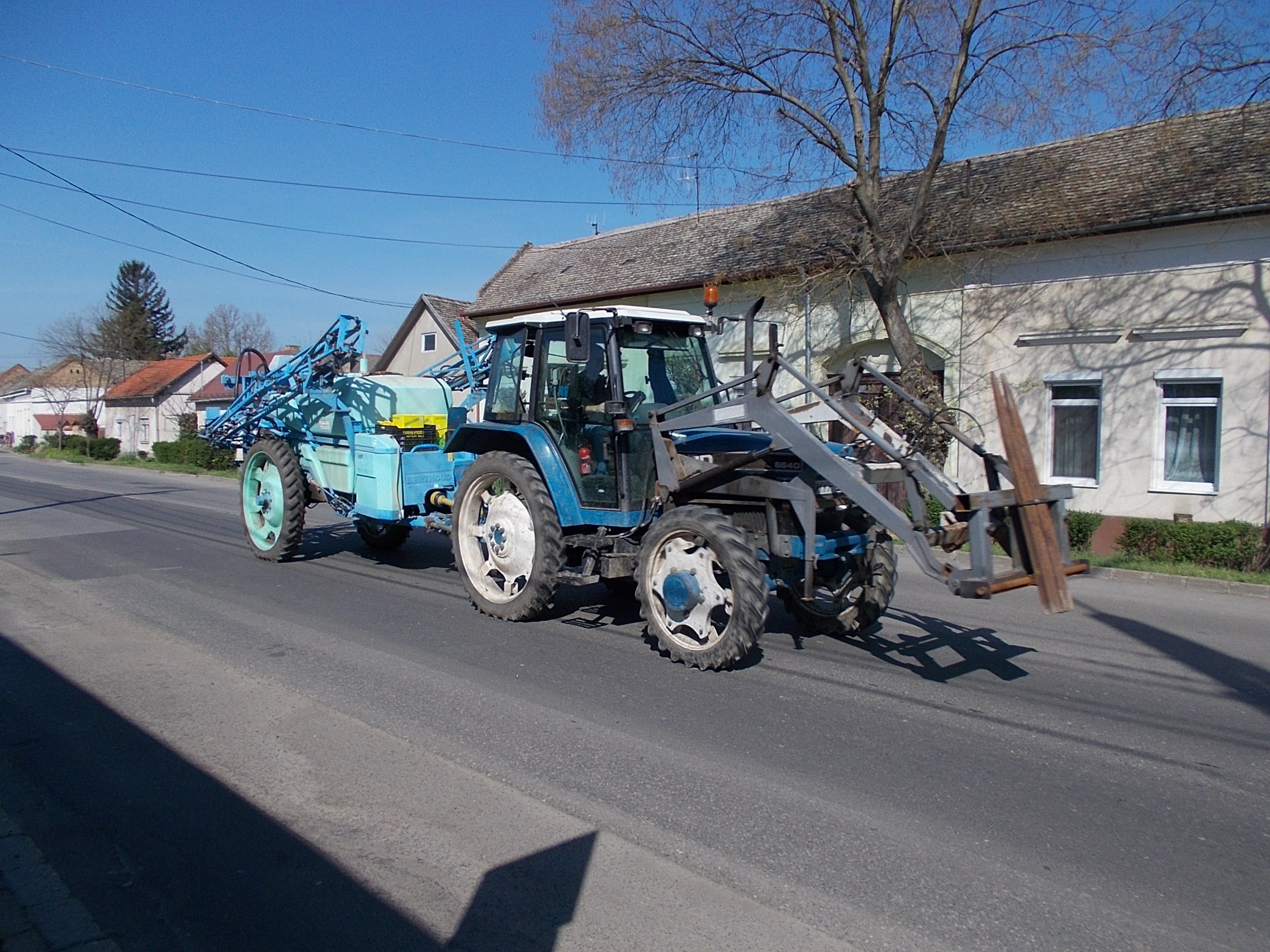
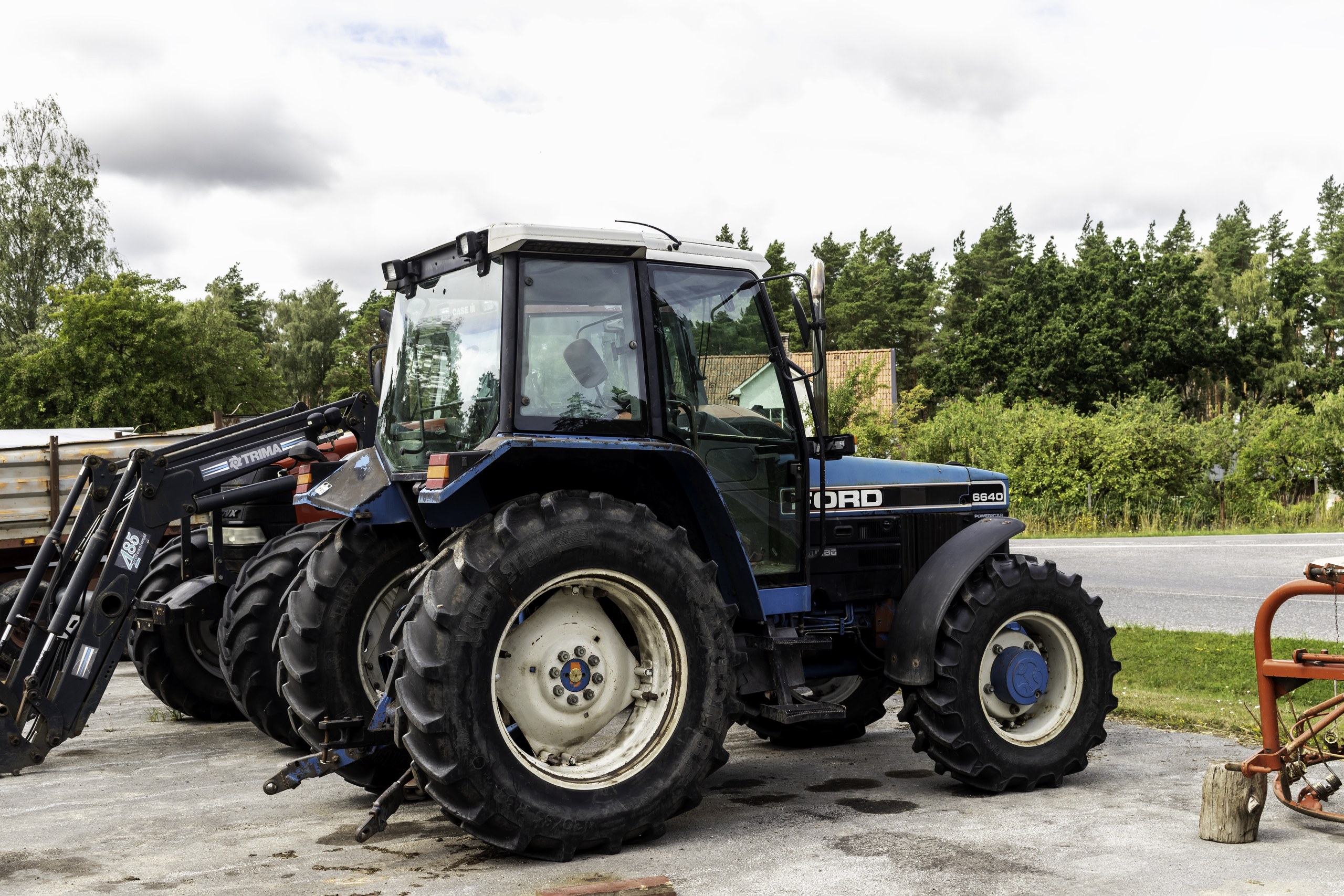
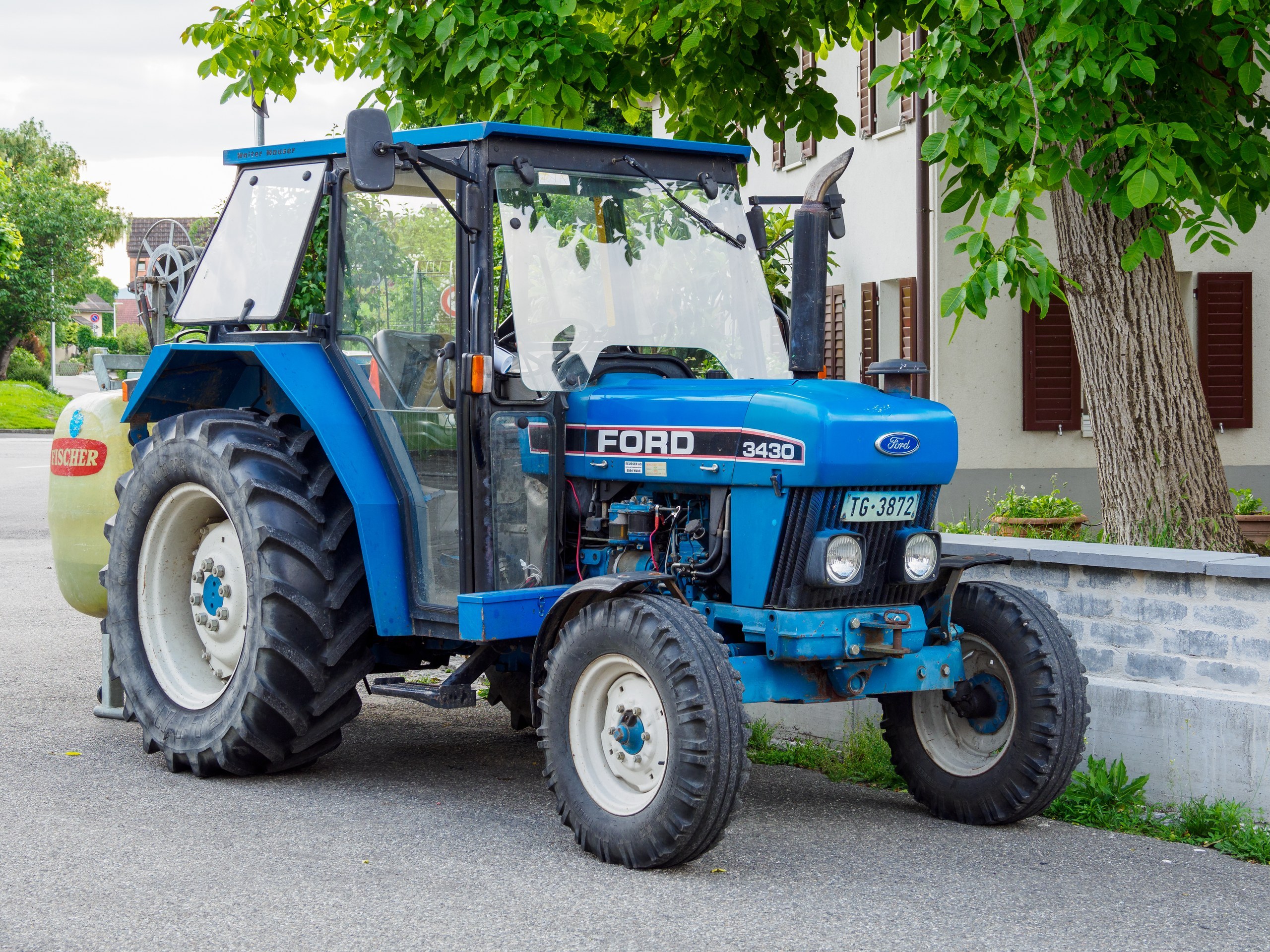
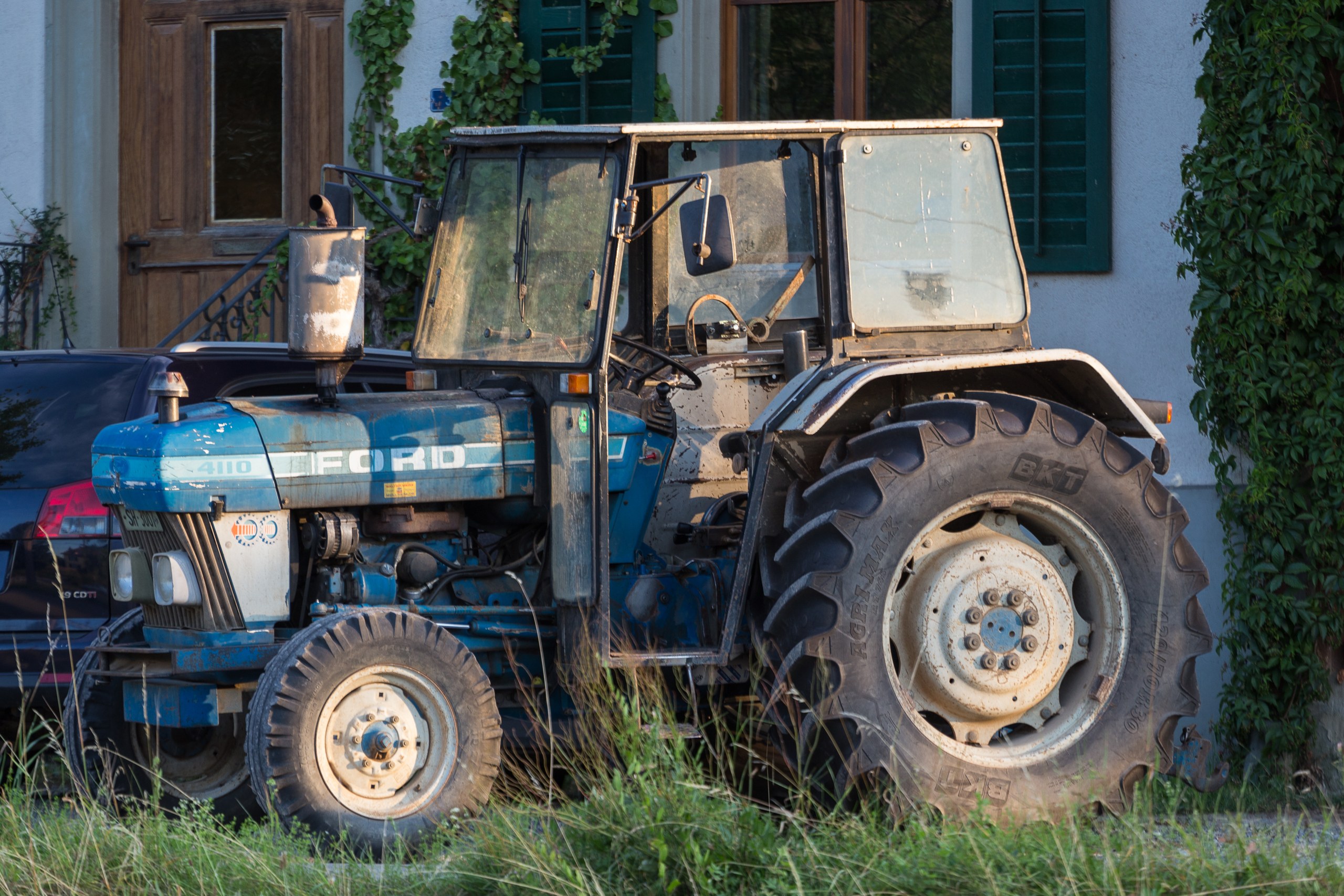
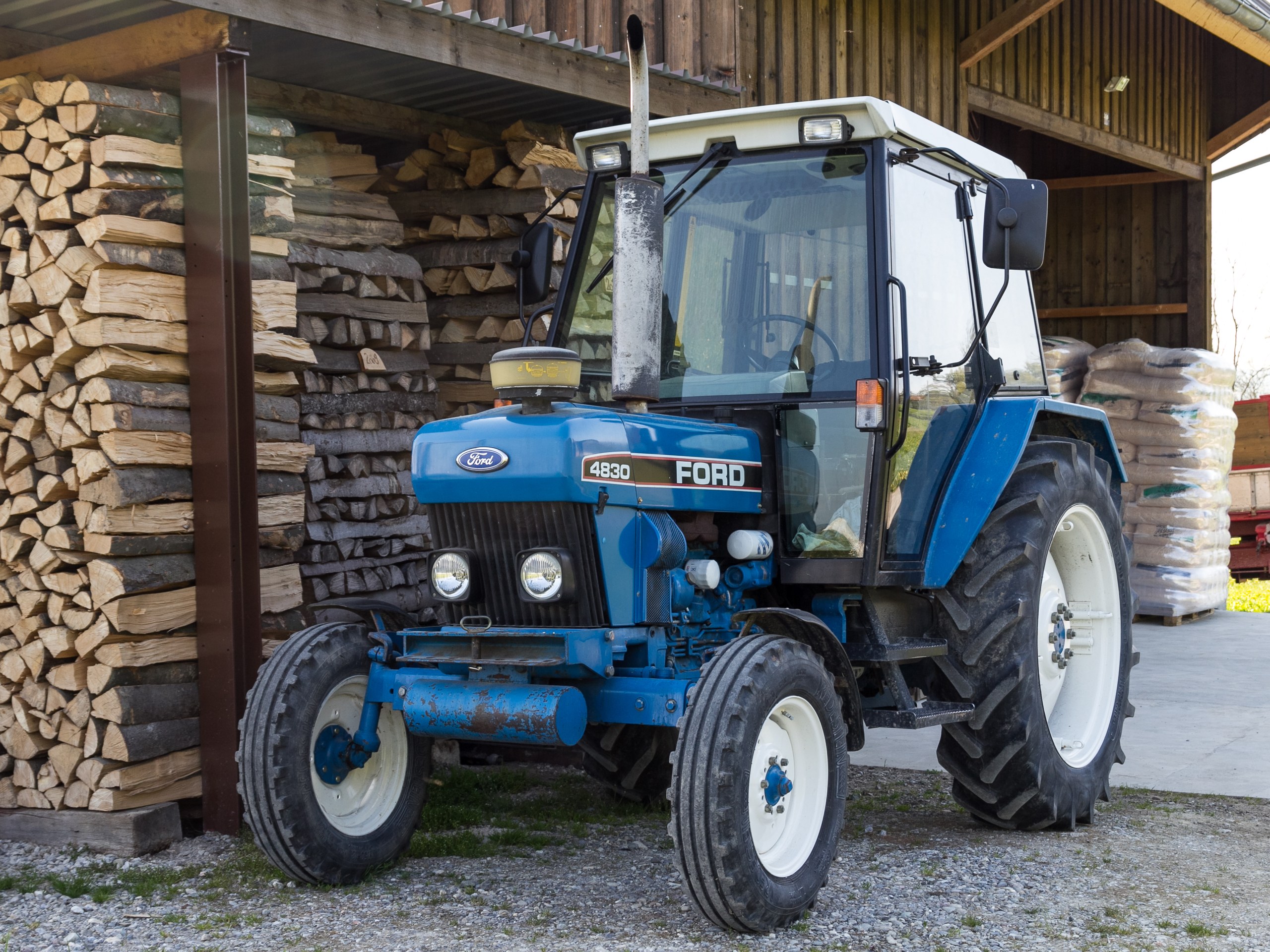
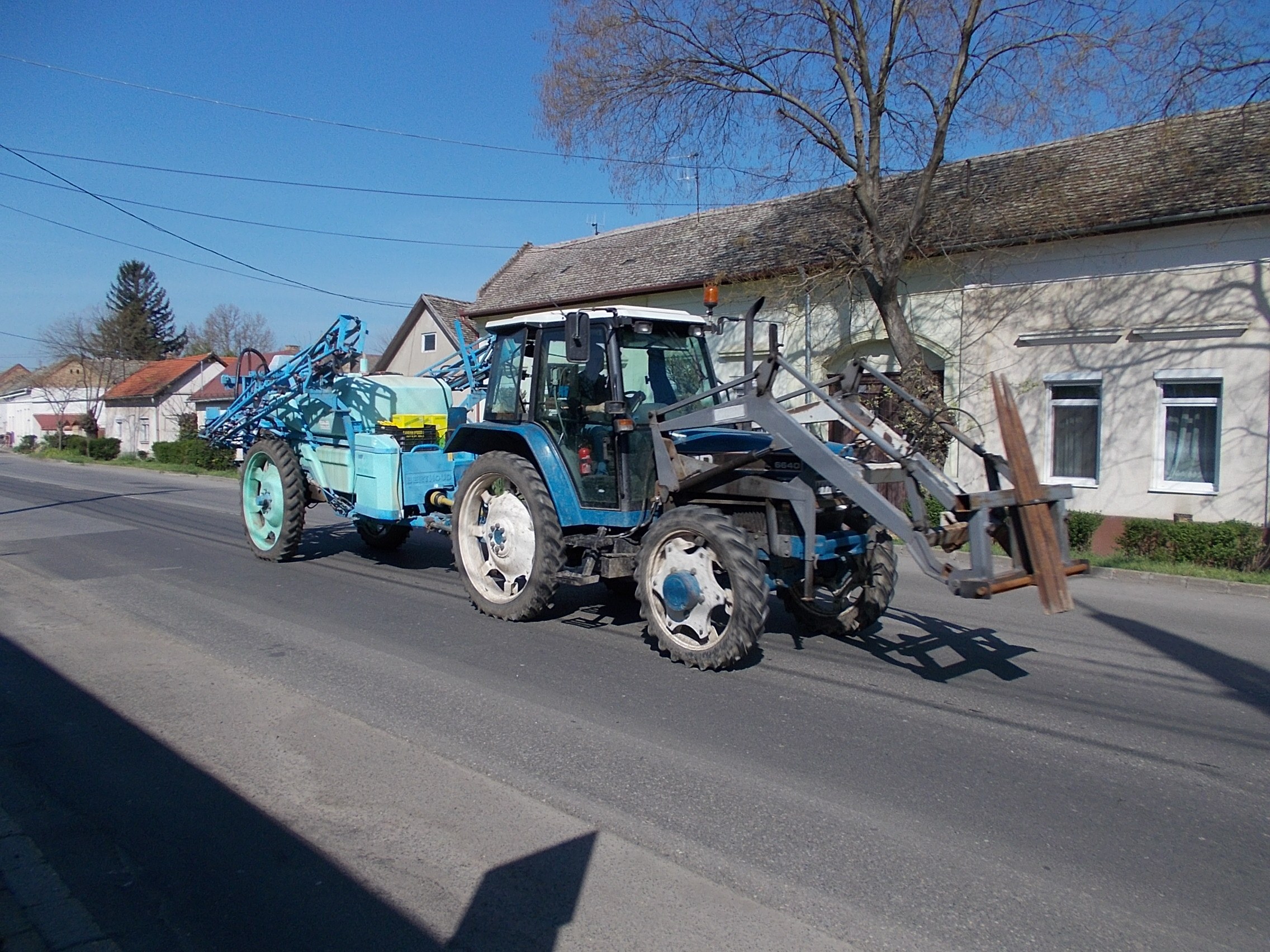
Ford Motor Company produced iconic agricultural tractors starting with the Fordson, evolving into the legendary 10-Series, TW Series, and Genesis heavy draft tractors.
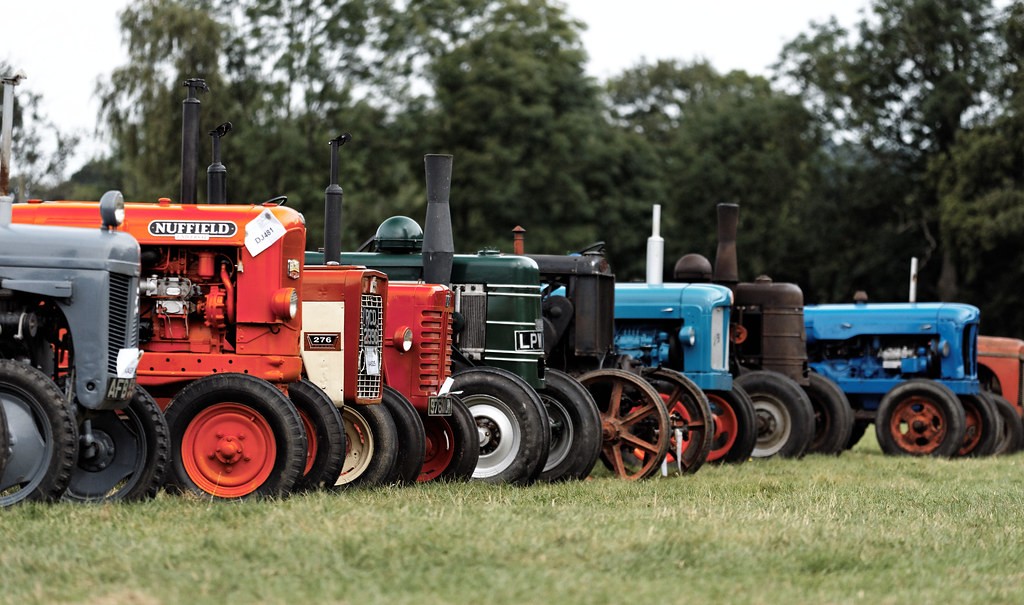
Origin: USA / UK Active: 1917 - 1991 New Holland / CNH Industrial
history_edu

Ford Heritage & Engineering Legacy

Historical milestones, founding origins, and technological breakthroughs.
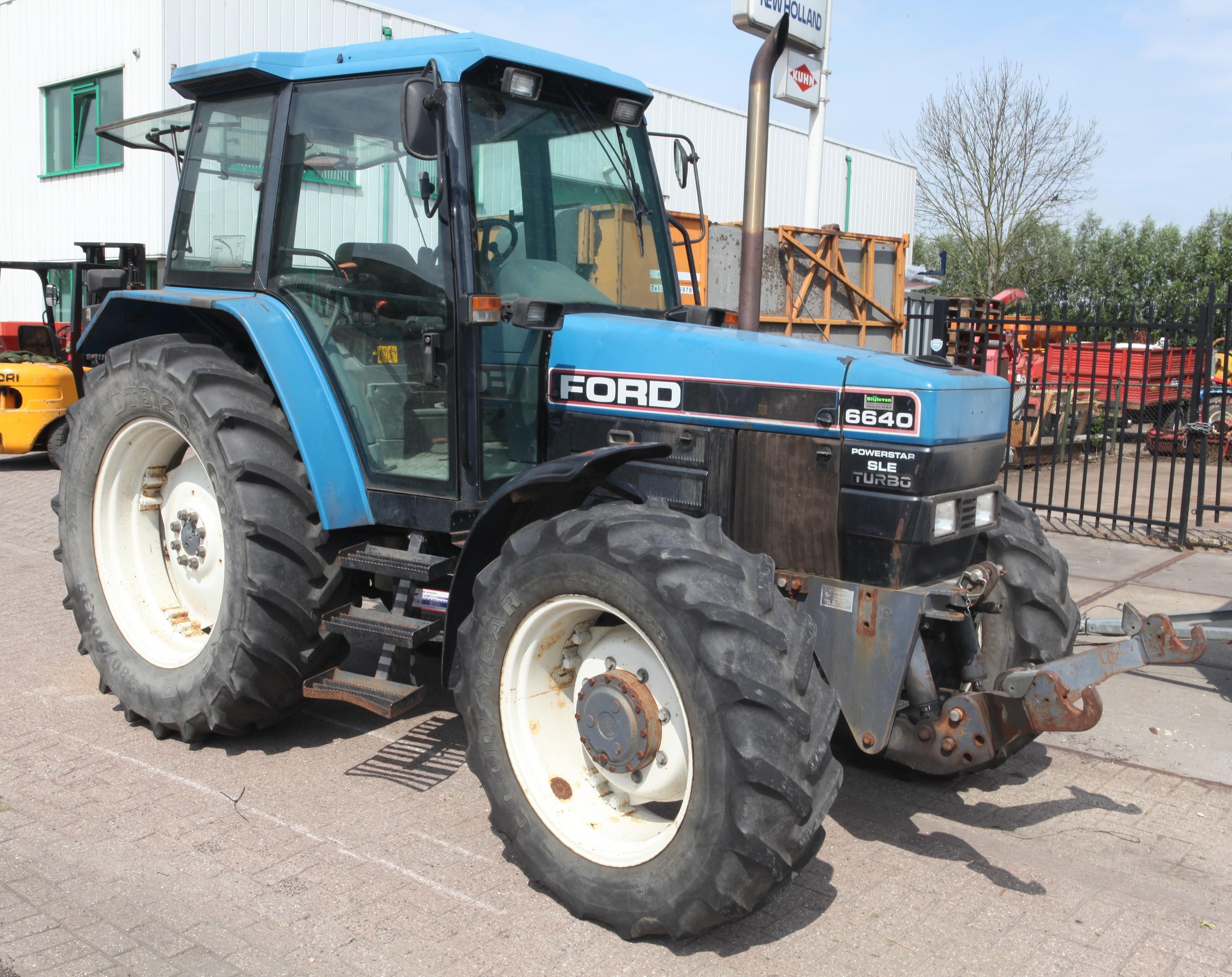
Est. 1917 📍 Dearborn, Michigan, USA / Basildon, UK Parent: Successor: CNH Industrial (New Holland)

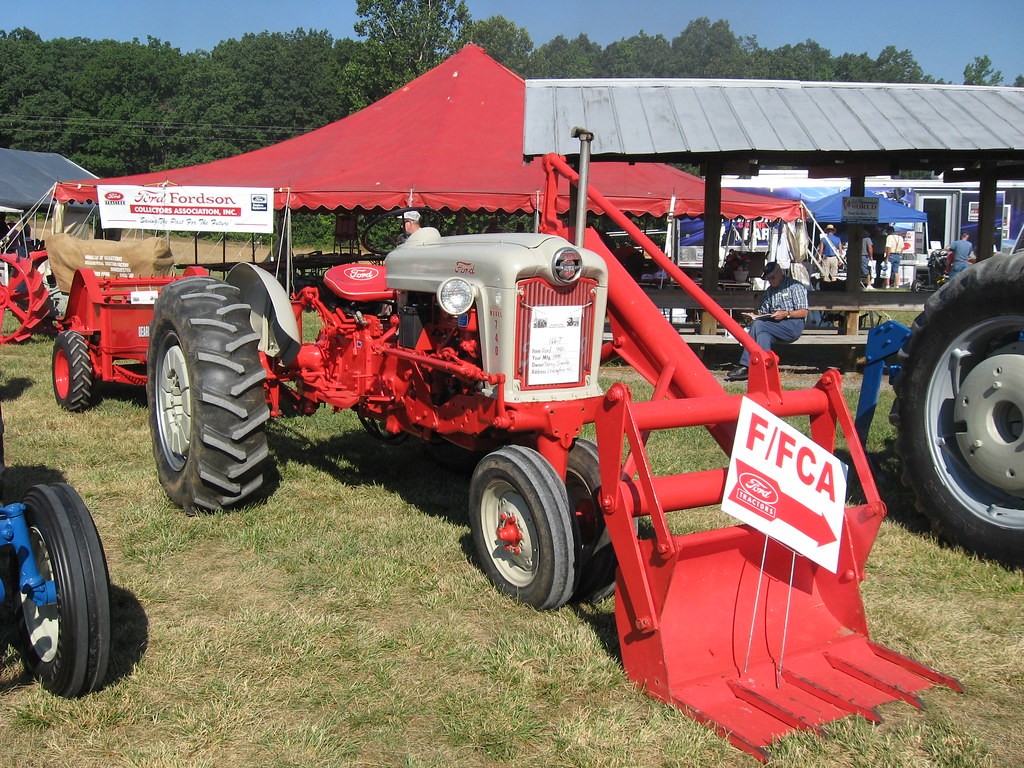
Henry Ford brought the same moving assembly line brilliance that motorized the world with the Model T to agricultural tractors. In 1917, Henry Ford & Son introduced the Fordson Model F—the world’s first lightweight, mass-produced tractor. Crucially, the Fordson pioneered unitized frameless monocoque construction: the engine block, clutch housing, and rear axle housing were cast as structural members, completely eliminating the heavy separate steel channel frames of earlier machines.

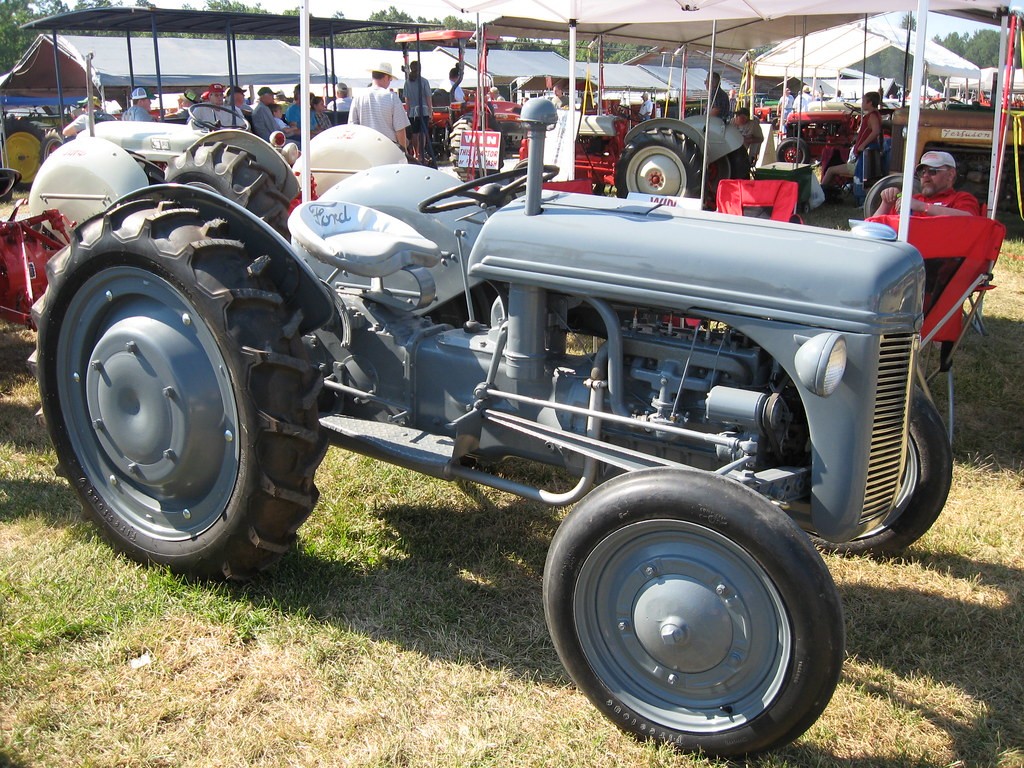
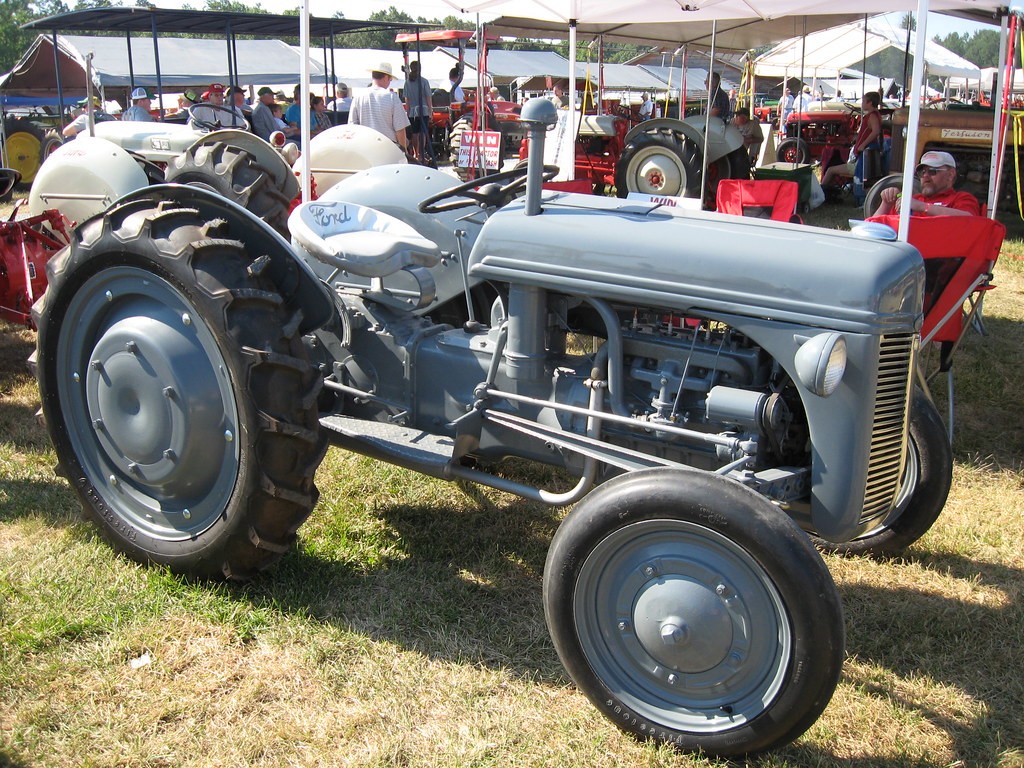
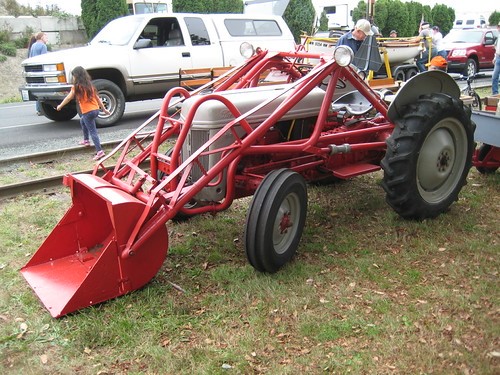
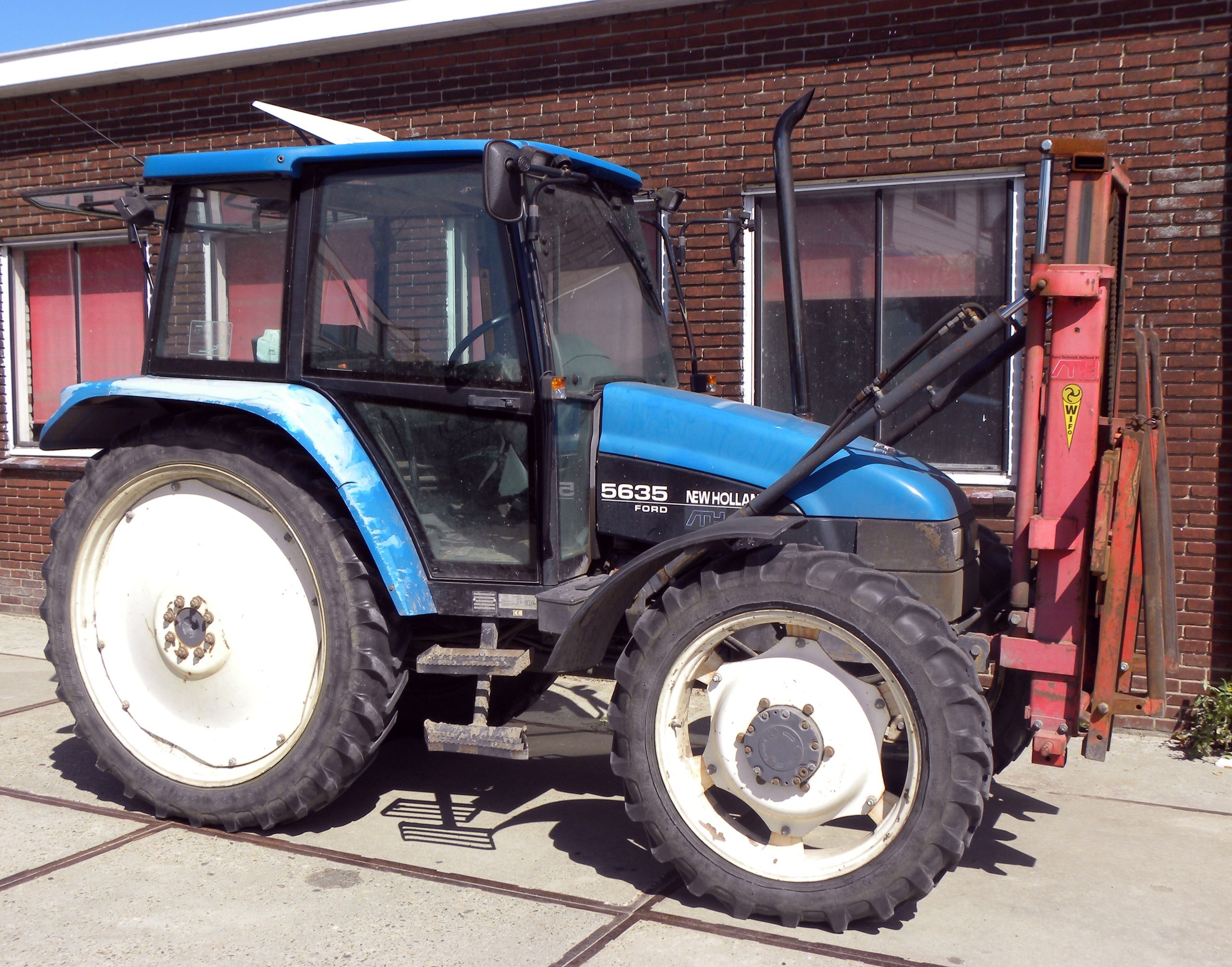
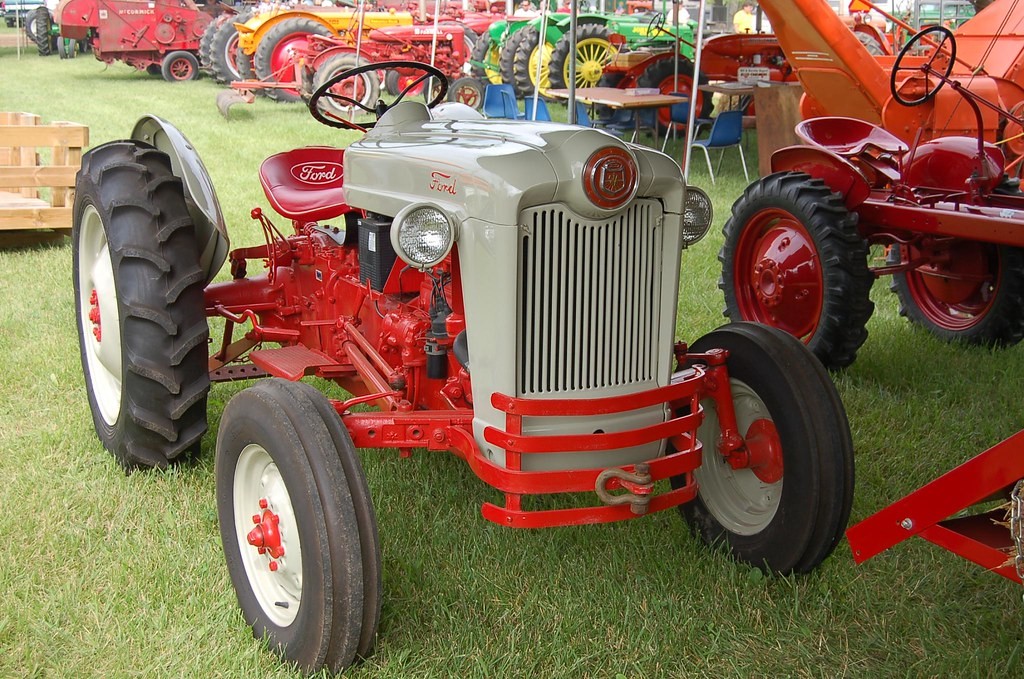
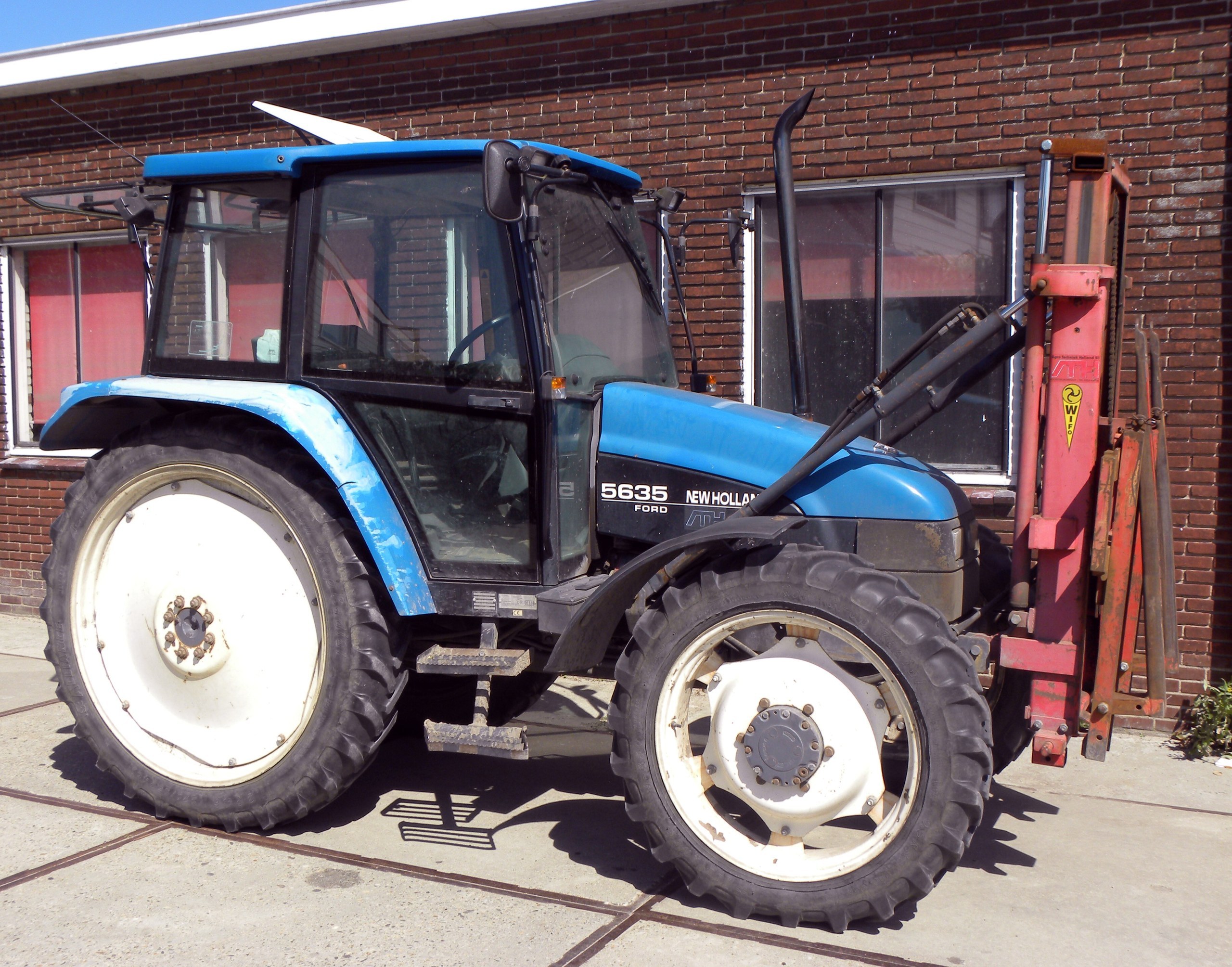
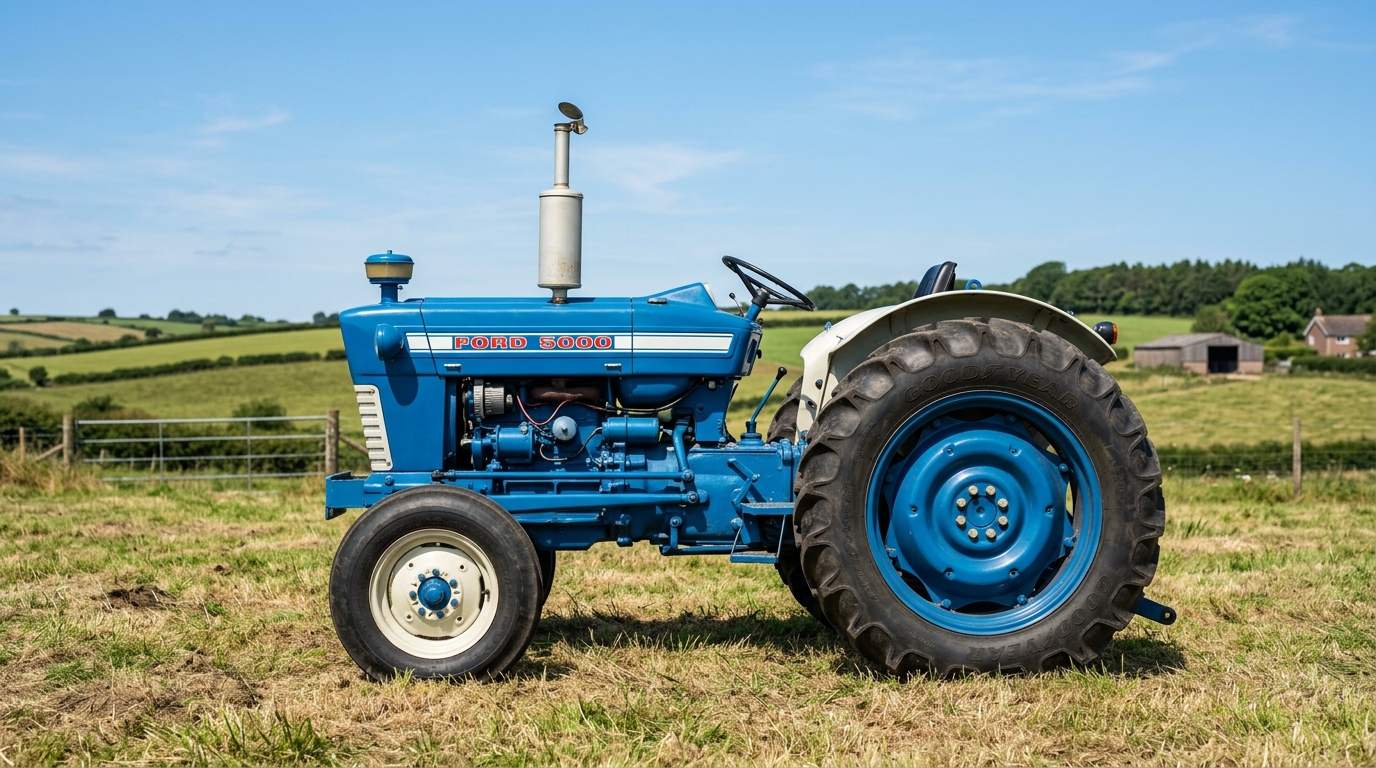
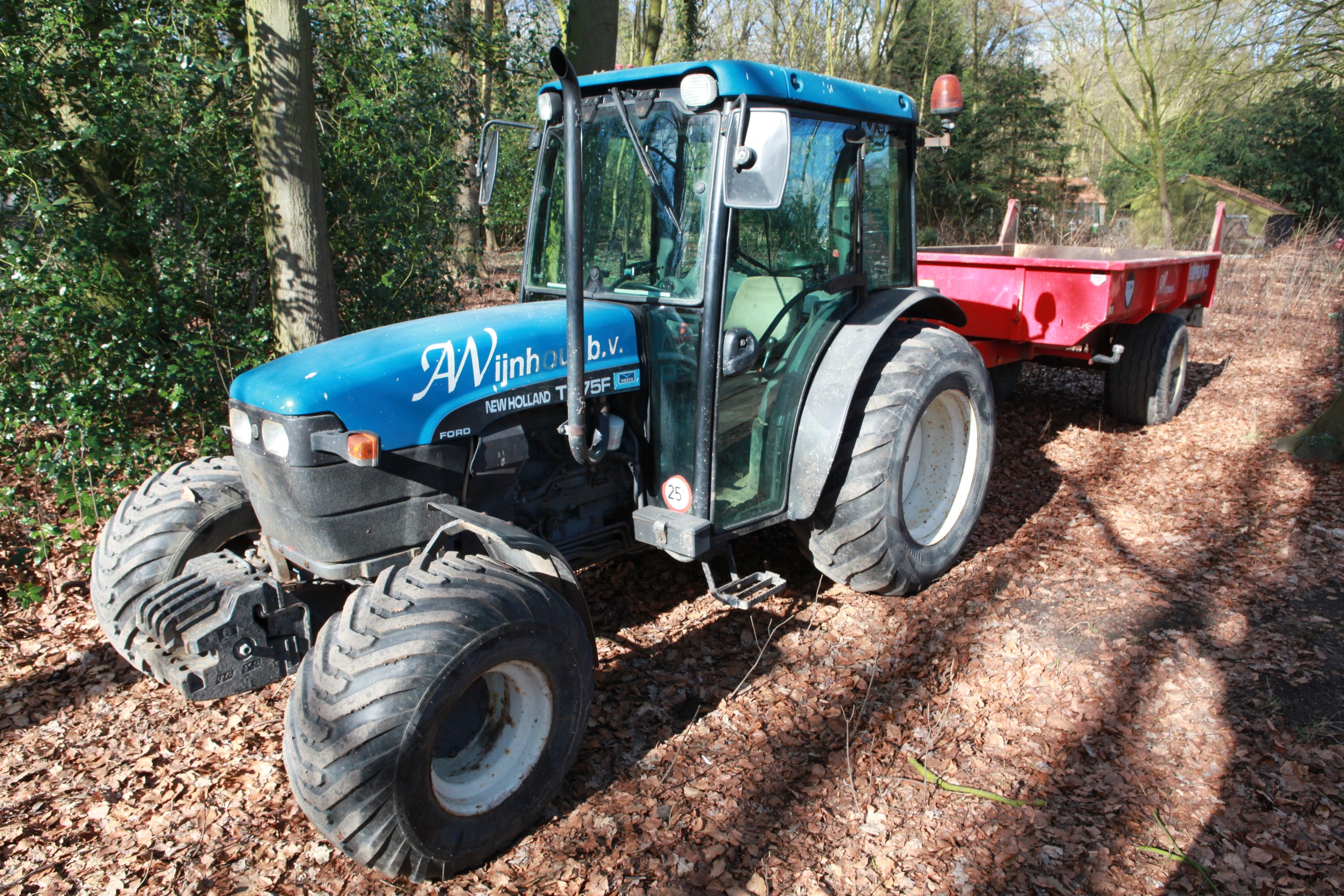
In 1939, Ford entered a historic handshake agreement with Harry Ferguson to build the Ford 9N, equipping Ford tractors with Ferguson’s three-point hitch system and rubber tires. The subsequent Ford 8N became the most popular single tractor model in North American farming history, selling over 500,000 units. In the 1960s, Ford built the world-renowned "6X" 1000 Series (5000, 7000) at its flagship plant in Basildon, England. Ford New Holland was formed in 1986 and later integrated into FiatAgri in 1991, cementing Ford’s DNA inside modern New Holland tractors.

psychology Engineering Breakthroughs & Patents

Unitized Frameless Monocoque Chassis

Cast iron engine and gearbox acting as the structural spine, eliminating heavy perimeter steel frames.

Dual Power Planetary Splitter Transmission

Under-drive planetary gearset allowing immediate 22% reduction and torque increase under heavy draft.

Factory Turbocharged 4-Cylinder Engine

The Ford 7000 proved a small displacement 4-cylinder engine with a turbo could outperform bulky 6-cylinders.

Load-Sensing Flow Hydraulics Hydraulics

Precise hydraulic flow regulation supplying only requested implement flow to conserve fuel.

timeline Historical Timeline & Milestones

1917
Fordson Model F

Mass-production begins in Dearborn, capturing over 70% of the US tractor market.

1939
Ford 9N "Handshake Deal"

Ford partners with Harry Ferguson to introduce the 3-point system with electric starting.

1947
Ford 8N Best-Seller

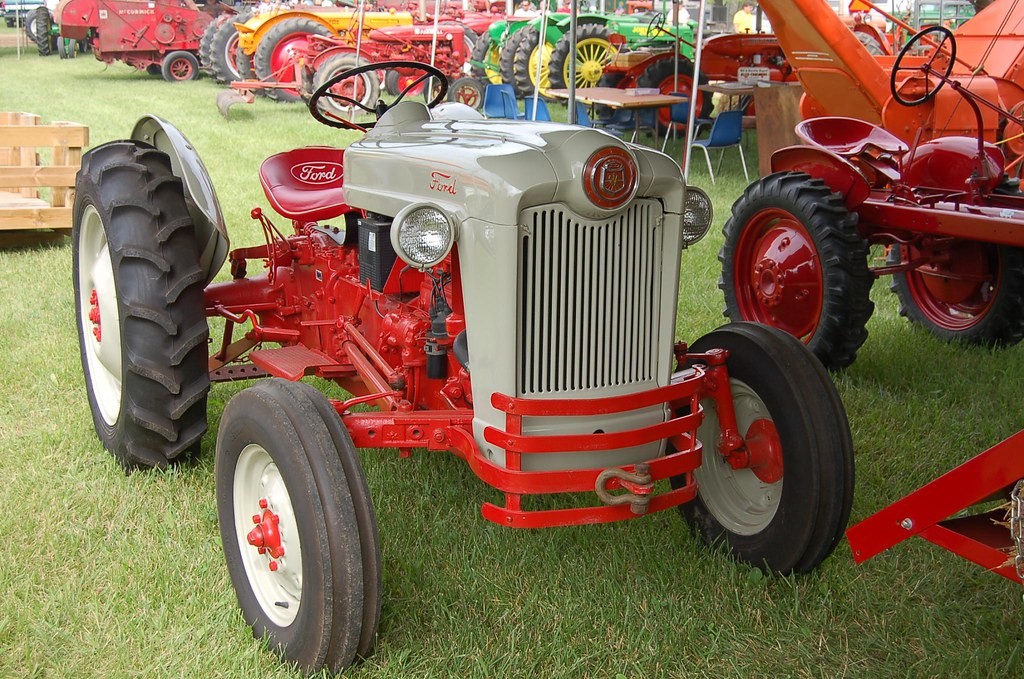
Debuts 4-speed transmission, position control hydraulics, and signature red belly paint.

1964
Basildon Plant & 6X Series

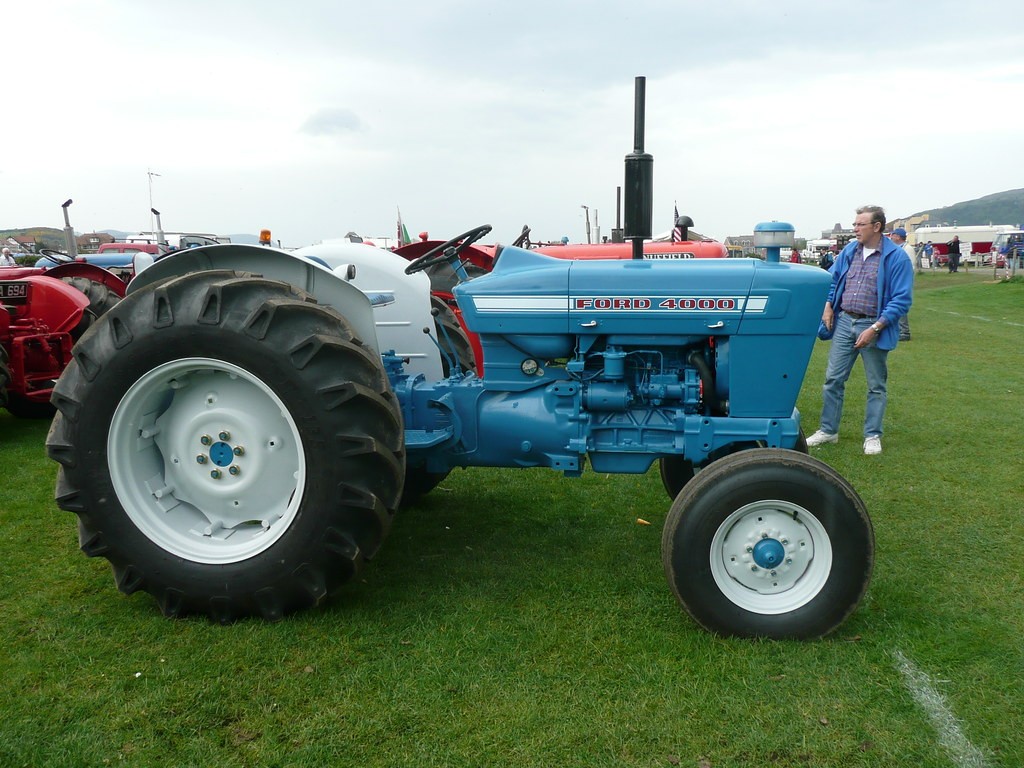
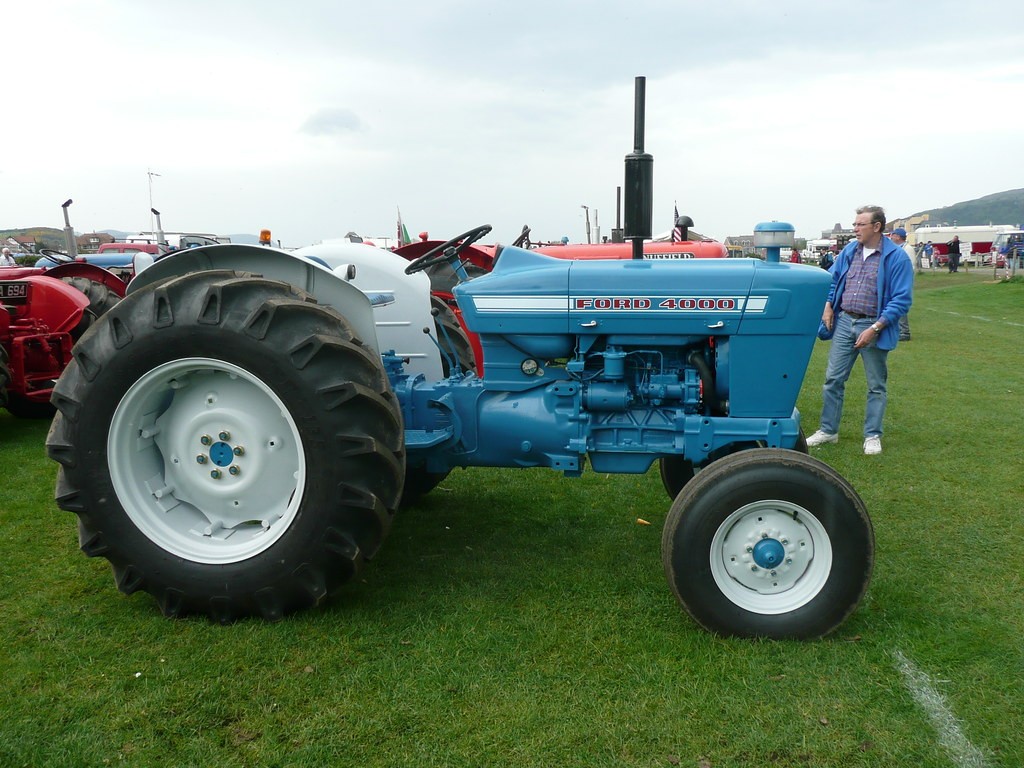
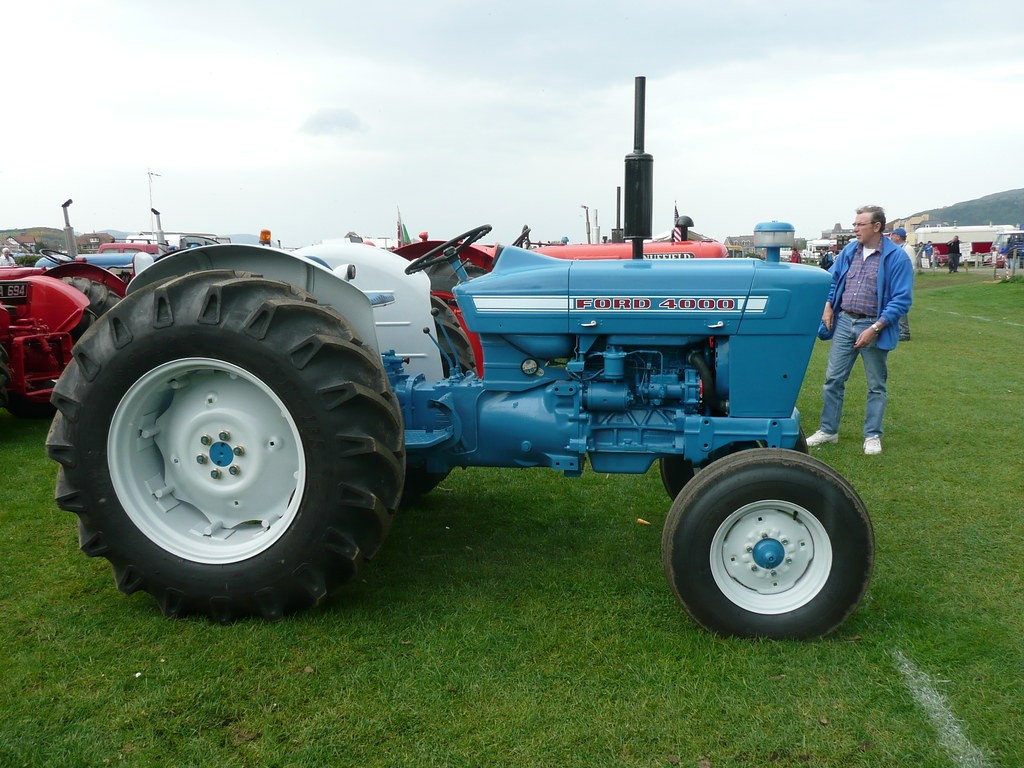
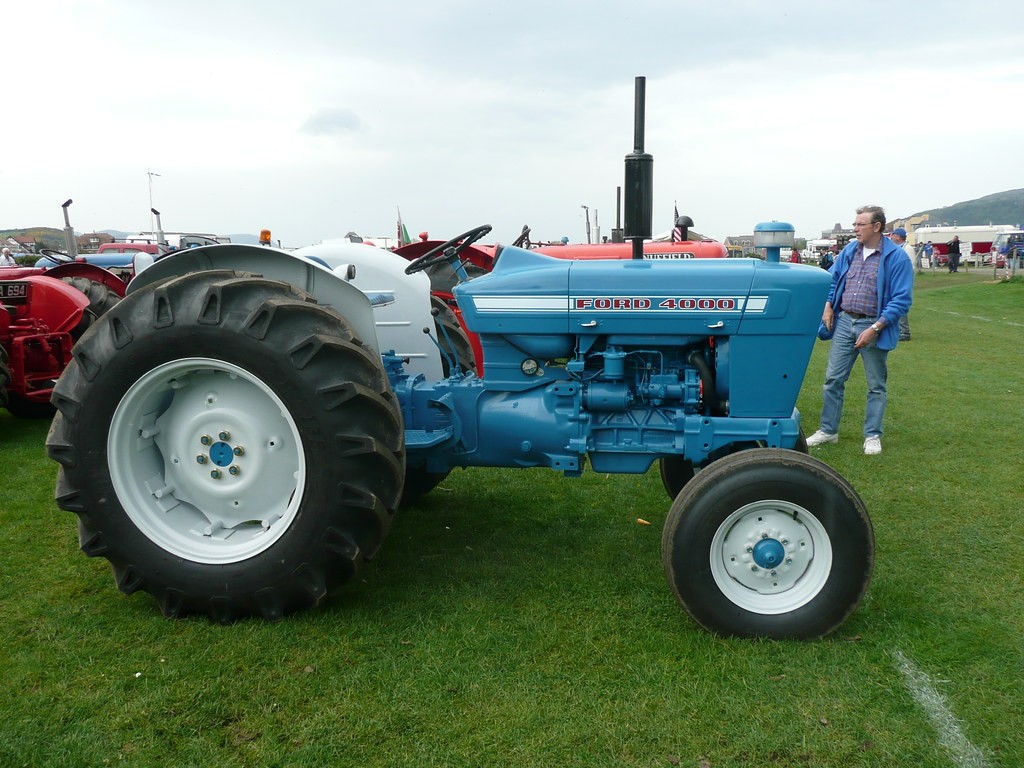
Ford opens state-of-the-art Basildon UK plant and launches 2000, 3000, 4000, 5000 models.

1971
Ford 7000 Turbocharged

Pioneered factory turbocharged 4-cylinder diesel in compact mid-range chassis.

1991
Fiat Integration

Fiat acquires Ford New Holland, unifying British and American tractor lines into New Holland.

1983 Series

8 Models

Ford Series

50 Models

1979 Series

5 Models
Ford 1700 tractor photograph (Creative Commons)

Ford 1700

Standard Agricultural Output 1979 - Present Farm
Compare Specs
Ford 1900 agricultural tractor photo

Ford 1900

Standard Agricultural Output 1979 - Present Farm
Compare Specs
Ford TW-10 tractor photograph (Creative Commons)

Ford TW-10

Standard Agricultural Output 1979 - Present Farm
Compare Specs
Ford TW-20 tractor photograph (Creative Commons)

Ford TW-20

Standard Agricultural Output 1979 - Present Farm
Compare Specs
Ford TW-30 tractor photograph (Creative Commons)

Ford TW-30

Standard Agricultural Output 1979 - Present Farm
Compare Specs

1984 Series

10 Models
Ford TW-15 tractor photograph (Creative Commons)

Ford TW-15

Standard Agricultural Output 1984 - Present Farm
Compare Specs
Ford TW-35 tractor photograph (Creative Commons)

Ford TW-35

Standard Agricultural Output 1984 - Present Farm
Compare Specs

1982 Series

13 Models

1985 Series

1 Model

1991 Series

7 Models

1995 Series

5 Models

1992 Series

7 Models

1977 Series

1 Model

1978 Series

4 Models
Ford FW-20 tractor photograph (Creative Commons)

Ford FW-20

Standard Agricultural Output 1978 - Present Farm
Compare Specs
Ford FW-40 agricultural tractor photo

Ford FW-40

Standard Agricultural Output 1978 - Present Farm
Compare Specs
Ford FW-60 tractor photograph (Creative Commons)

Ford FW-60

Standard Agricultural Output 1978 - Present Farm
Compare Specs

Ford, New Holland Series

9 Models

Ford, Versatile Series

5 Models
quiz

Frequently Asked Questions About Ford Tractors

1. What are the most popular and iconic Ford tractor models?

Notable models in our Ford catalog include the 8870 Genesis, representing key milestones in Ford's agricultural engineering history.

2. How many Ford tractor models are cataloged in this database?

All About Tractors currently tracks 125 verified specification sheets and laboratory test reports for Ford tractors.

3. Where can I find official OECD and Nebraska test reports for Ford tractors?

Official test reports from the Nebraska Tractor Test Laboratory and the DLG Test Center are linked directly on each individual Ford tractor profile.

4. What horsepower range do Ford tractors cover?

Ford tractors in our database range from compact utility models up to high-horsepower row-crop machines delivering up to 240 hp.

5. What engines and displacements are typically used in Ford tractors?

Ford equips its tractor lineups with certified diesel engines engineered for high torque rise, fuel economy, and compliance with emissions standards.

6. What transmission options (PowerShift, CVT, Synchro) does Ford offer?

Depending on the series and manufacturing year, Ford models feature synchronized mechanical gearboxes, multi-speed PowerShift units, or continuous variable transmissions (CVT).

7. How do I decode the serial number plate on my Ford tractor?

The serial number plate is typically stamped on the transmission housing, front frame casting, or right-hand engine block. Match the sequential number against our Ford yearly serial number records.

8. What 3-point hitch categories are standard on Ford utility tractors?

Ford utility models feature Category 1, 2, or 3 three-point linkages with position control and draft sensing for heavy agricultural implements.

9. What is the certified fuel economy of Ford diesel engines?

Certified OECD dynamometer testing measures Ford fuel consumption under varying engine loads, providing exact gallons/hour and g/kWh consumption metrics.

10. Where can I source replacement parts and service manuals for Ford tractors?

Each Ford specification page links to verified OEM parts lookups, aftermarket suppliers, and operator/workshop repair manuals.

11. What should I inspect when buying a pre-owned Ford tractor?

Check engine cold-starting compression, hydraulic remote pressure, 3-point rockshaft seals, transmission shift smoothness under load, and front axle kingpin play.

12. Can I compare Ford tractors against competitor models?

Yes! Use our side-by-side comparison portal to compare any Ford model directly against tractors from John Deere, Case IH, Fendt, New Holland, or Kubota.